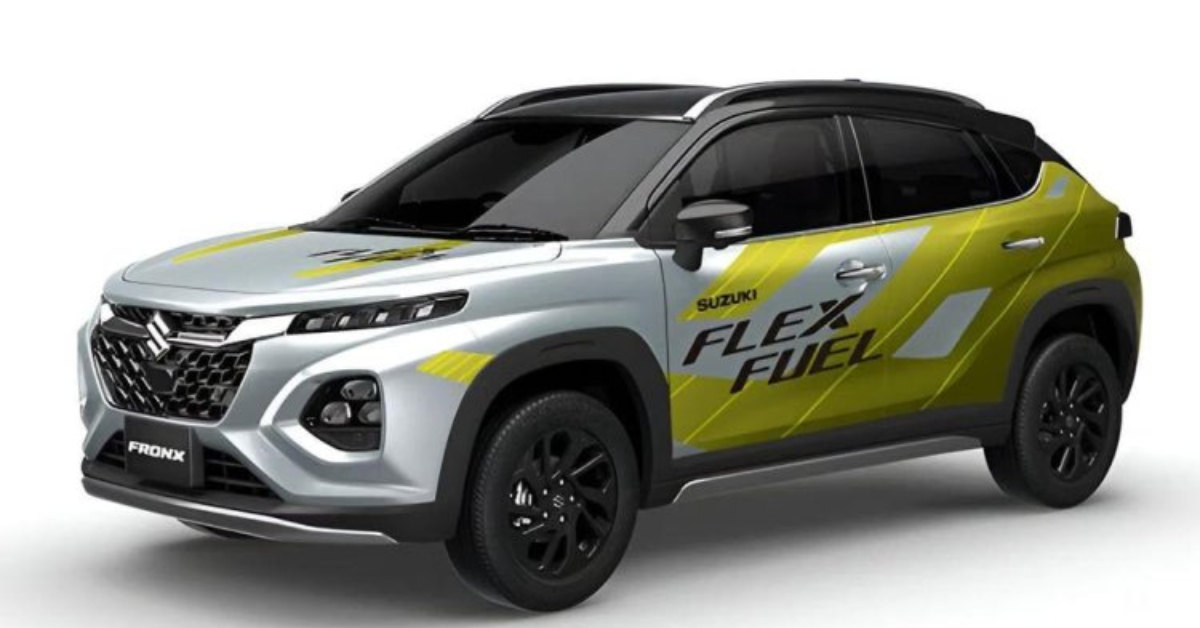
Maruti Suzuki is preparing to take a major step toward future mobility and sustainable transportation by unveiling its new flex-fuel car on June 5. The upcoming vehicle is expected to showcase advanced ethanol-compatible engine technology that could play a crucial role in India’s transition toward cleaner and more fuel-flexible mobility solutions.
The development comes at a time when the Indian automobile industry is rapidly exploring alternatives to traditional petrol and diesel vehicles. While electric vehicles continue growing, flex-fuel technology is emerging as another practical solution for reducing fuel dependency, lowering emissions, and supporting renewable energy adoption.
Maruti Suzuki’s move is especially significant because the company remains India’s largest car manufacturer. Any major technology shift from Maruti has the potential to influence the broader automotive market and accelerate adoption across the country.
The upcoming flex-fuel car is expected to demonstrate how internal combustion engine vehicles can evolve to become more environmentally friendly while still maintaining practicality, affordability, and mass-market appeal.
Here’s everything you should know about Maruti Suzuki’s upcoming flex-fuel vehicle and why ethanol-based mobility may become extremely important for India’s automotive future.
What Is A Flex-Fuel Vehicle?
A flex-fuel vehicle is designed to operate on multiple fuel blends.
These vehicles can typically run on:
- Petrol
- Ethanol-blended petrol
- Higher ethanol mixtures
The engine automatically adjusts itself depending on the fuel composition.
This allows greater fuel flexibility and supports cleaner fuel alternatives.
Why Ethanol Fuel Is Becoming Important
Countries around the world are increasingly exploring ethanol-based fuels because they help reduce dependence on fossil fuels.
Ethanol offers several advantages:
- Lower emissions
- Renewable production
- Reduced oil imports
- Cleaner combustion
India is also aggressively promoting ethanol blending as part of its long-term energy strategy.
Maruti Suzuki’s Move Could Influence Entire Industry
As India’s largest car manufacturer, Maruti Suzuki holds enormous influence in the market.
If the company strongly adopts flex-fuel technology:
- Competitors may accelerate similar plans
- Ethanol infrastructure may expand faster
- Buyers may become more aware of alternative fuels
This could significantly impact the future direction of the Indian automobile industry.
June 5 Unveil Signals Bigger Green Mobility Push
The timing of the unveil reflects Maruti Suzuki’s increasing focus on sustainable mobility technologies.
The company is currently exploring multiple future mobility solutions including:
- Hybrid technology
- CNG vehicles
- Ethanol compatibility
- Electric mobility
Flex-fuel technology may become an important part of this broader strategy.
How Flex-Fuel Engines Work
Flex-fuel engines are specially calibrated to handle varying ethanol concentrations.
The system typically includes:
- Fuel composition sensors
- Engine management software
- Ethanol-compatible fuel system components
The engine automatically optimizes performance depending on the fuel mixture.
Higher Ethanol Blends Could Become Common
India has already expanded ethanol blending in petrol fuels.
Future blends may include:
- E20 fuel
- E30 fuel
- Even higher ethanol concentrations
Flex-fuel vehicles are designed to handle such transitions smoothly.
Environmental Benefits Could Be Significant
One of the biggest advantages of flex-fuel technology is reduced environmental impact.
Potential benefits include:
- Lower carbon emissions
- Cleaner fuel combustion
- Reduced fossil fuel dependency
- Improved sustainability
Although not completely emission-free like EVs, flex-fuel vehicles can still reduce overall environmental impact.
India’s Agricultural Sector Could Benefit
Ethanol production often uses agricultural materials such as:
- Sugarcane
- Corn
- Biomass feedstock
Increased ethanol demand could potentially support:
- Rural economy growth
- Agricultural diversification
- Biofuel industry expansion
This creates broader economic advantages beyond the automotive sector.
Flex-Fuel Vehicles Could Be More Practical Than EVs For Some Buyers
Electric vehicles are growing rapidly, but challenges still remain in certain areas.
These include:
- Charging infrastructure
- Long-distance travel concerns
- Charging time
Flex-fuel vehicles maintain traditional refueling convenience while improving sustainability.
This makes them attractive for many mainstream buyers.
Maruti Suzuki May Focus On Affordability
Maruti Suzuki is known for prioritizing affordability and practicality.
The upcoming flex-fuel car may target:
- Mass-market buyers
- Urban commuters
- Fleet operators
- Mileage-focused customers
Affordable green mobility solutions could accelerate wider adoption.
Engine Technology Could Remain Familiar
Unlike EVs, flex-fuel vehicles still use conventional combustion engines.
Advantages include:
- Familiar driving experience
- Existing service ecosystem
- Easier maintenance transition
- Conventional refueling process
This makes adoption easier for traditional car buyers.
Mileage Expectations Could Remain Competitive
Fuel efficiency will remain extremely important for Indian buyers.
Maruti may optimize the flex-fuel car for:
- Better thermal efficiency
- Improved combustion
- Reduced fuel consumption
Mileage performance could become a major selling point.
Could Hybrid Technology Also Be Included?
There is speculation that future flex-fuel vehicles may combine:
- Ethanol compatibility
- Hybrid assistance systems
This combination could deliver:
- Better efficiency
- Lower emissions
- Improved urban fuel economy
Hybrid-flex fuel systems may become increasingly important globally.
Government Support Could Accelerate Adoption
India’s government has strongly promoted ethanol blending initiatives.
Supportive policies may include:
- Fuel blending targets
- Biofuel incentives
- Infrastructure development
Government backing could help flex-fuel technology expand rapidly.
Fuel Infrastructure Will Be Important
For widespread adoption, ethanol fuel availability must improve.
Key requirements include:
- Wider fuel station support
- Ethanol supply chain expansion
- Consistent fuel quality
Infrastructure development will determine long-term success.
Maruti Suzuki’s Huge Network Could Help
Maruti’s massive service and dealership network provides a major advantage.
The company can:
- Educate customers
- Support servicing needs
- Promote fuel awareness
- Accelerate technology adoption
This nationwide presence may help flex-fuel vehicles reach mass-market buyers faster.
Future Cars May Use Multiple Technologies
The future of mobility may not depend on a single solution.
Different technologies may coexist:
- Electric vehicles
- Hybrids
- Flex-fuel vehicles
- Hydrogen technologies
- CNG vehicles
Flex-fuel cars may become one important part of a broader sustainable mobility ecosystem.
Buyers Increasingly Care About Sustainability
Modern customers are becoming more environmentally conscious.
Many buyers now consider:
- Emissions
- Fuel efficiency
- Sustainability
- Running costs
Automakers are responding by developing greener mobility solutions.
Flex-Fuel Technology Already Exists Globally
Several international markets already use flex-fuel vehicles extensively.
Countries with strong ethanol adoption have shown that:
- Flex-fuel systems can work effectively
- Large-scale ethanol usage is practical
- Infrastructure can support alternative fuels
India may gradually move in a similar direction.
Why This Unveil Matters For India
The upcoming reveal represents more than just a new car launch.
It symbolizes:
- Industry transformation
- Alternative fuel adoption
- Sustainable mobility progress
- Future automotive innovation
The vehicle could influence how India approaches cleaner transportation solutions.
Competition Could Increase Soon
If Maruti’s flex-fuel strategy succeeds, other manufacturers may accelerate development of similar technologies.
Future competition may focus on:
- Ethanol compatibility
- Hybrid efficiency
- Green mobility innovation
The Indian automotive market may enter a new technological phase.
Could Flex-Fuel Cars Reduce Fuel Costs?
Ethanol-blended fuels may eventually help reduce dependence on imported crude oil.
Potential long-term advantages include:
- Better energy security
- Reduced import burden
- More diversified fuel ecosystem
These factors could benefit both consumers and the economy.
Technology Transition Will Take Time
Although flex-fuel technology is promising, mass adoption will likely happen gradually.
Challenges include:
- Fuel availability
- Consumer awareness
- Infrastructure expansion
However, the June 5 unveil could mark an important starting point.
Final Verdict
Maruti Suzuki’s upcoming flex-fuel car reveal on June 5 could become a major milestone in India’s evolving automotive landscape. By embracing ethanol-compatible technology, Maruti appears ready to support cleaner mobility solutions while still maintaining the practicality and affordability that Indian buyers value most.
The move highlights how the future of transportation may involve multiple technologies working together rather than relying entirely on one solution. Flex-fuel vehicles offer an interesting middle ground between traditional combustion engines and fully electric mobility by reducing emissions while preserving familiar driving and refueling experiences.
If supported by strong fuel infrastructure, government initiatives, and competitive pricing, flex-fuel vehicles could play an important role in India’s transition toward more sustainable transportation.
For buyers seeking practical, efficient, and future-ready mobility solutions, Maruti Suzuki’s upcoming flex-fuel vehicle may represent the beginning of a major automotive transformation in the country.
About the Author