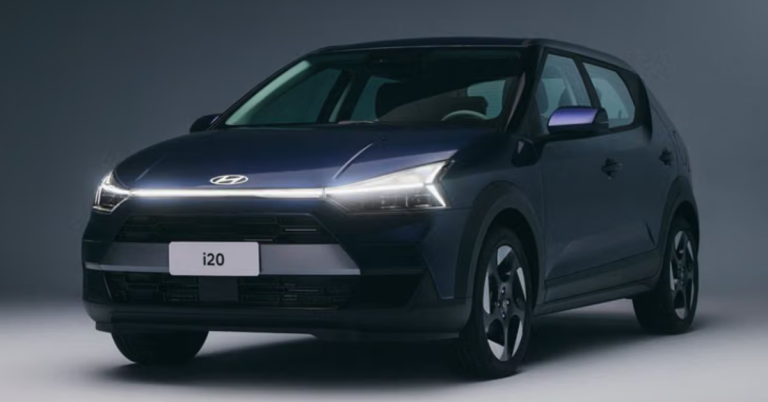
Hyundai is taking connected car technology to the next level by expanding its Bluelink Store to more vehicle models in the United States. The move highlights how modern automobiles are rapidly evolving from traditional transportation machines into highly connected digital ecosystems powered by software, artificial intelligence, cloud services, and smart personalization features.
The expansion of the Bluelink Store represents Hyundai’s growing focus on software-defined vehicles and premium digital ownership experiences. Modern buyers no longer evaluate vehicles only based on engine performance or design — they also expect seamless connectivity, app-based control, intelligent navigation, remote access features, over-the-air software updates, and personalized digital services.
By bringing the Bluelink Store to more vehicles, Hyundai aims to offer customers a more advanced and customizable in-car technology ecosystem that improves convenience, safety, entertainment, and overall ownership experience.
The automotive industry is now entering an era where software and connected technology are becoming just as important as horsepower and mechanical engineering.
Here’s everything you should know about Hyundai’s Bluelink expansion and why connected car technology is becoming the future of mobility.
What Is Hyundai Bluelink?
Bluelink is Hyundai’s connected car platform designed to offer smart digital services and remote vehicle functionality.
The system connects the vehicle with:
- Smartphone applications
- Cloud services
- Navigation systems
- Vehicle diagnostics
- Remote access features
Bluelink transforms the vehicle into a connected digital device rather than just a traditional automobile.
Why Connected Cars Are Becoming Important
Modern car buyers increasingly expect vehicles to behave like smart devices.
Customers now want:
- Smartphone integration
- Remote vehicle controls
- Live navigation
- Software updates
- Personalized digital experiences
Connected technology has become a major factor influencing vehicle purchasing decisions.
Bluelink Store Expansion Signals Bigger Digital Push
Hyundai’s decision to expand the Bluelink Store across more models suggests a larger strategy shift toward software-focused mobility.
The company appears focused on:
- Digital ecosystems
- Subscription-based features
- Personalized services
- Smart vehicle management
- AI integration
This mirrors broader automotive industry trends worldwide.
Vehicles Are Becoming Software-Defined Machines
Traditionally, cars were primarily mechanical products.
Today, vehicles increasingly rely on:
- Software systems
- Cloud connectivity
- Artificial intelligence
- Digital services
- Real-time updates
The automobile industry is evolving similarly to smartphones and consumer electronics.
Remote Vehicle Controls Improve Convenience
One of the biggest advantages of connected car systems is remote accessibility.
Expected Bluelink features include:
- Remote engine start
- Cabin pre-cooling
- Door lock/unlock controls
- Vehicle location tracking
- Remote charging management
These features improve daily convenience significantly.
Smartphone Integration Creates Seamless Experience
Modern users expect vehicles to integrate naturally with their digital lifestyle.
Bluelink allows:
- App-based vehicle management
- Mobile notifications
- Remote monitoring
- Smart connectivity
This creates a more connected ownership experience.
Over-The-Air Updates Are Changing The Industry
One of the most important developments in modern cars is OTA software updates.
Instead of visiting service centers, vehicles can now receive:
- Software improvements
- Feature enhancements
- Bug fixes
- Navigation updates
This allows manufacturers to continuously improve vehicles even after purchase.
Hyundai May Introduce More Subscription Features
The Bluelink Store could eventually support premium subscription-based services.
Possible features may include:
- Advanced navigation packages
- Enhanced driver assistance
- Premium entertainment services
- Smart AI features
- Performance customization
Subscription-based automotive services are becoming increasingly common globally.
AI Technology Could Become Central To Bluelink
Artificial intelligence is rapidly transforming automotive technology.
Future Bluelink systems may include:
- Predictive navigation
- Driver habit learning
- Smart climate management
- Voice-controlled functions
- Personalized recommendations
AI can make vehicles feel more intuitive and responsive.
Voice Assistants Improve User Experience
Voice control systems are becoming essential in modern vehicles.
Expected capabilities include:
- Navigation commands
- Climate adjustments
- Music controls
- Vehicle information access
Hands-free operation improves both convenience and safety.
Connected Navigation Offers Smarter Routing
Traditional navigation systems are evolving rapidly.
Modern connected systems provide:
- Live traffic updates
- Smart route suggestions
- Charging station information
- Real-time road alerts
This improves travel efficiency and convenience.
Safety Benefits Of Connected Car Technology
Connected systems also enhance safety.
Possible safety-focused features include:
- Emergency assistance
- Crash notifications
- Vehicle health alerts
- Stolen vehicle tracking
Digital connectivity can improve emergency response capabilities significantly.
Real-Time Vehicle Diagnostics Reduce Problems
Bluelink systems may monitor:
- Engine health
- Battery condition
- Maintenance schedules
- System errors
This helps owners identify potential issues earlier.
Preventive maintenance can reduce long-term ownership problems.
EV Integration Will Become More Important
As Hyundai expands its electric vehicle lineup, connected technology becomes even more critical.
EV-specific features may include:
- Charging status monitoring
- Charging station navigation
- Battery optimization tools
- Remote charging control
Connected systems are especially valuable for electric vehicle users.
Hyundai Focuses On Smart Mobility Future
The expansion of Bluelink reflects Hyundai’s larger future mobility strategy.
The company appears increasingly focused on:
- Digital innovation
- Software ecosystems
- Smart transportation
- Connected mobility solutions
Automakers are now becoming technology companies as much as vehicle manufacturers.
Personalization Is Becoming A Major Trend
Modern buyers increasingly expect personalized vehicle experiences.
Connected platforms can support:
- Individual driver profiles
- Seat preferences
- Favorite routes
- Entertainment customization
The car can adapt automatically to different users.
Premium Technology Is Moving Into Mainstream Cars
Earlier, advanced digital systems were limited to luxury vehicles.
Today, even mainstream vehicles offer:
- Large digital displays
- Connected apps
- Cloud services
- Smart navigation
This democratization of technology is reshaping the industry.
Hyundai Competes Aggressively On Features
Hyundai has built a strong reputation for offering feature-rich vehicles.
The expanded Bluelink ecosystem strengthens Hyundai’s image as:
- Technology-focused
- Innovation-driven
- Digitally advanced
The company increasingly competes through software and features, not just hardware.
Cybersecurity Becomes More Important
As vehicles become more connected, cybersecurity becomes critical.
Automakers now focus heavily on:
- Data protection
- Secure cloud systems
- Encrypted communications
- Privacy management
Connected mobility requires strong digital security infrastructure.
Younger Buyers Expect Digital Integration
Modern buyers, especially younger customers, increasingly prioritize:
- Smartphone compatibility
- Connected technology
- Smart features
- Digital convenience
Traditional mechanical performance alone is no longer enough.
Technology experience strongly influences purchasing decisions.
Smart Ecosystems Could Create Long-Term Brand Loyalty
Connected services help manufacturers maintain long-term customer relationships.
Digital ecosystems encourage:
- Ongoing engagement
- Subscription retention
- Brand ecosystem loyalty
Vehicles are becoming part of larger connected lifestyles.
Future Cars May Continuously Evolve
Software-defined vehicles can improve over time.
Future updates may unlock:
- New driving features
- Improved performance
- Enhanced interfaces
- Additional services
This creates a more dynamic ownership experience.
Hyundai’s Global Strategy Appears Clear
The Bluelink Store expansion suggests Hyundai wants to position itself among the world’s leading technology-driven automakers.
The company appears focused on balancing:
- Traditional engineering
- Digital innovation
- Smart mobility
- Premium user experience
This combination is becoming essential in the modern automotive industry.
Why Connected Technology Matters For The Future
The future of automobiles will likely revolve around:
- Connectivity
- Artificial intelligence
- Cloud integration
- Software ecosystems
Cars are increasingly becoming intelligent digital platforms.
Manufacturers that adapt fastest may dominate future mobility markets.
Could Software Become More Important Than Engines?
In the future, software may influence buying decisions as much as engine specifications.
Buyers may increasingly compare:
- User interface quality
- Connected services
- App ecosystems
- AI capabilities
The automotive industry is entering a major transformation phase.
Final Verdict
Hyundai’s decision to expand the Bluelink Store to more models in the US highlights how rapidly the automotive industry is evolving toward software-defined and connected mobility. Vehicles are no longer judged only by performance, mileage, or design — digital experiences now play a massive role in shaping customer expectations.
The expanded Bluelink ecosystem promises smarter connectivity, remote convenience, AI-powered personalization, advanced safety integration, and continuous software improvements that enhance the ownership experience over time.
As connected car technology becomes more advanced, Hyundai appears determined to position itself as one of the leading technology-focused automotive brands globally.
For modern buyers who value digital convenience, smart features, and futuristic mobility experiences, Hyundai’s growing Bluelink ecosystem represents the direction in which the entire automotive industry is heading.
About the Author