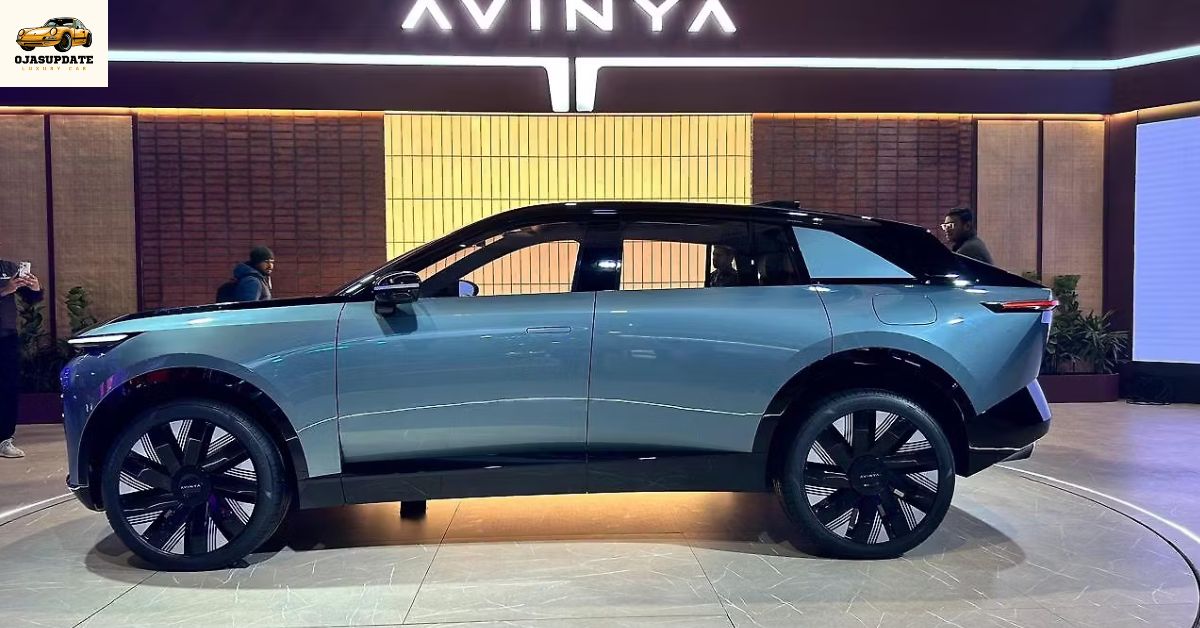
The global electric vehicle landscape is a high-stakes chess match where speed, scale, and technological agility trump tradition every single time. For Tata Motors, India’s undisputed electric vehicle pioneer, the race to scale up its highly anticipated premium EV brand, Avinya, has just taken a fascinating and highly strategic detour.
In a decisive recalibration of its luxury EV roadmap, Tata Motors is shifting its foundational technology strategy. Rather than waiting to utilize Jaguar Land Rover’s (JLR) bespoke Electrified Modular Architecture (EMA) as initially intended, Tata will now build its next-generation Avinya portfolio on the Freelander platform, developed through the specialized Chery-JLR (CJLR) joint venture ecosystem in China.
This pivot represents a pragmatic, “stop-gap” masterstroke that says as much about the blinding speed of China’s EV supply chains as it does about Tata’s determination to defend its EV crown.
Why the Pivot? Balancing Cost, Speed, and Scale
When Tata first unveiled the stunning, ultra-futuristic Avinya concept, the original plan was to leverage JLR’s ultra-premium EMA architecture for a 2025 rollout. However, automotive blueprints are subject to market realities. High development costs, complex volume economics, and JLR’s adjusted timeline for localized EMA manufacturing in India created a roadblock that threatened to stall Tata’s premium ambitions.
In the automotive world, delays are perishable. With fierce domestic rivals like Mahindra and JSW MG Motor rapidly closing the gap, Tata couldn’t afford to wait.
By pivoting to the Chery-JLR Freelander platform, Tata elegantly solves multiple equations at once:
- Accelerated Time-to-Market: Instead of re-engineering a platform from scratch or absorbing the prohibitive costs of a niche luxury architecture, Tata gains immediate access to a mature, high-tech EV skeleton.
- Cost Competitiveness: Sourcing from a massive, scaled ecosystem dramatically improves component economics, allowing Avinya to offer true global luxury at a justifiable price point.
Understanding the DNA of the Chery-JLR Platform
So, what exactly is the foundation powering the future of Avinya? The architecture in question underpins premium global products like the upcoming Freelander 8 electric SUV. Far from being a basic budget platform, this ecosystem is a modern powerhouse.
The architecture naturally supports an advanced 800V electrical system and mind-boggling charging speeds of up to 360 kW. It is built to house massive battery packs, and industry insiders suggest the first wave of Avinya vehicles will leverage packs in the highly efficient 65 kWh to 80 kWh range—striking an ideal equilibrium between premium driving range, vehicle weight, and manufacturing economics.
Furthermore, because the platform is inherently flexible, it gives Tata the room to explore multiple drivetrain solutions down the line if consumer habits continue to evolve.
The Product Cadence: Entering the “Avinya X” Era
With the technology swap officially locked in, the roadmap for the Avinya brand has been radically streamlined. The original concept vehicle (program P1) is taking a temporary back seat to focus on program P2, which will manifest as the Avinya X—a premium, five-seater electric coupe-SUV.
The Launch Timeline: Engineering prototypes are expected to hit tarmac relatively soon, paving the way for an official commercial market launch in 2027. A second, larger three-row premium electric SUV is expected to follow by 2029.
To hit these aggressive targets, Tata will initially import the high-tech platform from China in a Completely Knocked Down (CKD) kit format. Final assembly will take place at Tata’s state-of-the-art, newly opened manufacturing facility in Panapakkam, Tamil Nadu, which it shares with JLR. Simultaneously, engineering teams are already aggressively working on localizing component sourcing within India to gradually shift away from imported kits.
Navigating Geopolitical Sensitivities via Tech Licensing
Beyond the nuts and bolts of the car itself, this agreement highlights a brilliant structural workaround for modern geopolitical constraints. Given the strict regulatory oversight on direct equity investments from neighboring countries, Tata is utilizing a clean licensing and supplier model.
Tata isn’t forming a deep-running corporate joint venture with Chery; it is simply purchasing highly advanced engineering on standard commercial terms. Chery acts cleanly as a component and platform supplier, while Tata Technologies and Tata’s in-house design teams retain absolute control over the vehicle’s unique software stack, user interface, interior luxury, and iconic exterior aesthetics.
The Verdict: A Shortcut to Supremacy
Purists might initially look askance at the idea of a flagship Indian EV leveraging a Chinese joint-venture platform, but the reality of the 2020s automotive industry is that China currently leads the world in battery scaling, software integration, and development speed.
Tata’s pivot to the Chery-JLR architecture isn’t a retreat—it’s an acceleration. It ensures that when the Avinya brand arrives in showrooms, it won’t just look like the future; it will have the underlying mechanical muscle to back it up.
About the Author