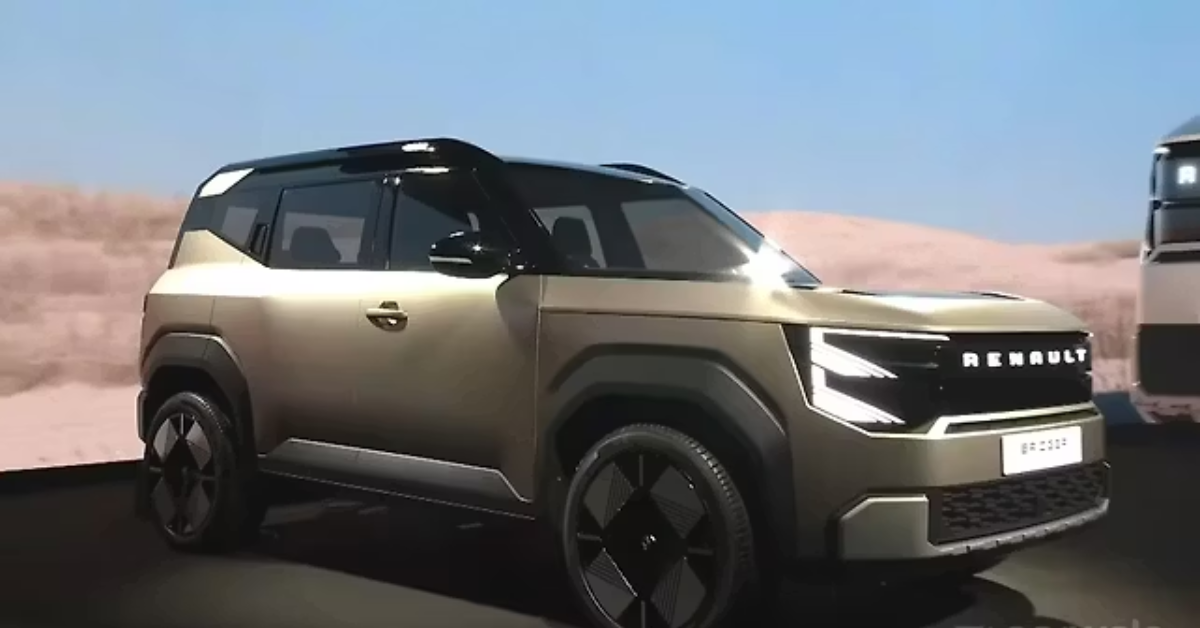
The Indian automotive market is evolving rapidly, with manufacturers adapting to new trends, technologies, and customer expectations. Among the brands preparing for a major transformation is Renault India, which has announced an ambitious plan to expand its lineup to seven models by 2030.
This move signals a strong intent to strengthen its presence in one of the world’s most competitive automotive markets. With a mix of new launches, updated models, and entry into the electric vehicle space, Renault is setting the stage for a comprehensive product strategy.
Let’s explore what this expansion plan means, what kind of vehicles we can expect, and how it could impact buyers in the coming years.
A Strategic Shift Toward Growth
Renault’s decision to expand its lineup is not just about increasing the number of models—it represents a broader strategic shift.
The company is aiming to:
- Strengthen its position in key segments
- Attract a wider customer base
- Stay competitive with evolving market trends
- Prepare for the transition to electric mobility
This strategy reflects a clear understanding of the Indian market, where demand is driven by variety, value, and innovation.
Seven Models by 2030: A Balanced Portfolio
Renault’s plan to introduce seven models by 2030 includes a mix of:
- Updated versions of existing cars
- Next-generation models
- Completely new vehicles
- An all-electric offering
This balanced approach ensures that Renault can cater to both current and future demand.
Rather than focusing only on new launches, the company is also investing in upgrading its existing lineup to keep it relevant.
Strong Focus on SUVs
One of the key pillars of Renault’s strategy is its focus on SUVs.
SUVs have become the most popular vehicle type in India, offering a combination of practicality, comfort, and road presence. Renault plans to capitalize on this trend by introducing multiple SUV models across different price segments.
These upcoming SUVs are expected to offer:
- Modern design and styling
- Advanced technology features
- Improved safety standards
- Competitive pricing
By expanding its SUV portfolio, Renault aims to compete more effectively in this high-demand segment.
Entry Into Electric Vehicles
A major highlight of Renault’s future plan is its entry into the electric vehicle segment in India.
The company is preparing to launch its first EV, which is expected to be designed with Indian conditions in mind.
Key expectations from this EV include:
- Practical driving range
- Affordable pricing
- Modern connectivity features
- Efficient charging solutions
This move aligns with the global shift toward sustainable mobility and positions Renault as a forward-thinking brand.
New Platform Development
To support its expanding lineup, Renault is working on a new modular platform.
This platform will serve as the foundation for multiple upcoming models, offering several advantages:
- Reduced manufacturing costs
- Faster development timelines
- Flexibility to support different body styles
- Compatibility with petrol, hybrid, and electric powertrains
Platform-based development allows Renault to optimize resources and deliver products more efficiently.
Multi-Powertrain Strategy
Renault’s approach to powertrains is another important aspect of its future plan.
Instead of focusing solely on electric vehicles, the company is adopting a multi-powertrain strategy that includes:
- Petrol engines
- Hybrid systems
- Electric powertrains
This ensures that buyers have multiple options based on their preferences and usage patterns.
For example:
- Petrol engines will remain relevant for budget-conscious buyers
- Hybrid systems will offer better fuel efficiency
- Electric vehicles will cater to environmentally conscious users
This flexibility is crucial in a diverse market like India.
Enhanced Features and Technology
Renault’s upcoming models are expected to feature significant upgrades in technology and features.
Modern buyers demand more from their vehicles, and Renault is likely to focus on:
- Advanced infotainment systems
- Connected car technology
- Digital displays
- Improved user interfaces
These enhancements will help the brand stay competitive in a feature-driven market.
Safety as a Key Priority
Safety is becoming increasingly important for Indian car buyers, and Renault is expected to place greater emphasis on this aspect.
Future models are likely to include:
- Multiple airbags
- Electronic stability control
- Advanced driver assistance systems
- Improved structural integrity
By focusing on safety, Renault aims to build trust and appeal to family buyers.
Market Impact: Increased Competition
Renault’s expansion plan is likely to intensify competition in the Indian automotive market.
With more models across different segments, the brand will challenge established players and push them to innovate further.
For buyers, this means:
- More choices
- Better features
- Competitive pricing
- Faster adoption of new technologies
Competition ultimately benefits consumers, and Renault’s strategy is expected to contribute to this trend.
Challenges Ahead
While the plan is ambitious, Renault will face several challenges:
- Strong competition from established brands
- Rapid changes in consumer preferences
- Infrastructure limitations for electric vehicles
- Pricing pressures in a competitive market
Successfully addressing these challenges will be key to achieving its goals.
What This Means for Buyers
For car buyers, Renault’s expansion plan brings exciting opportunities.
With a wider range of models, buyers can expect:
- More options in the SUV segment
- Access to new technologies
- Improved safety features
- Competitive pricing
Whether you are looking for an entry-level car, a family SUV, or an electric vehicle, Renault’s future lineup is likely to offer something for everyone.
Final Thoughts: A Bold Vision for the Future
Renault India’s plan to expand its lineup to seven models by 2030 reflects a strong commitment to growth and innovation.
By focusing on SUVs, entering the EV segment, and adopting a multi-powertrain strategy, the company is preparing for the future while addressing current market needs.
Conclusion
The automotive industry is undergoing a major transformation, and Renault India is positioning itself to be part of this change.
With seven planned models, a focus on innovation, and a commitment to customer needs, the brand is taking significant steps toward strengthening its presence in the Indian market.
For buyers, this means more choices, better features, and access to new technologies in the coming years.
As Renault moves forward with its ambitious plan, it will be interesting to see how it shapes its journey and competes in an increasingly dynamic market.
About the Author