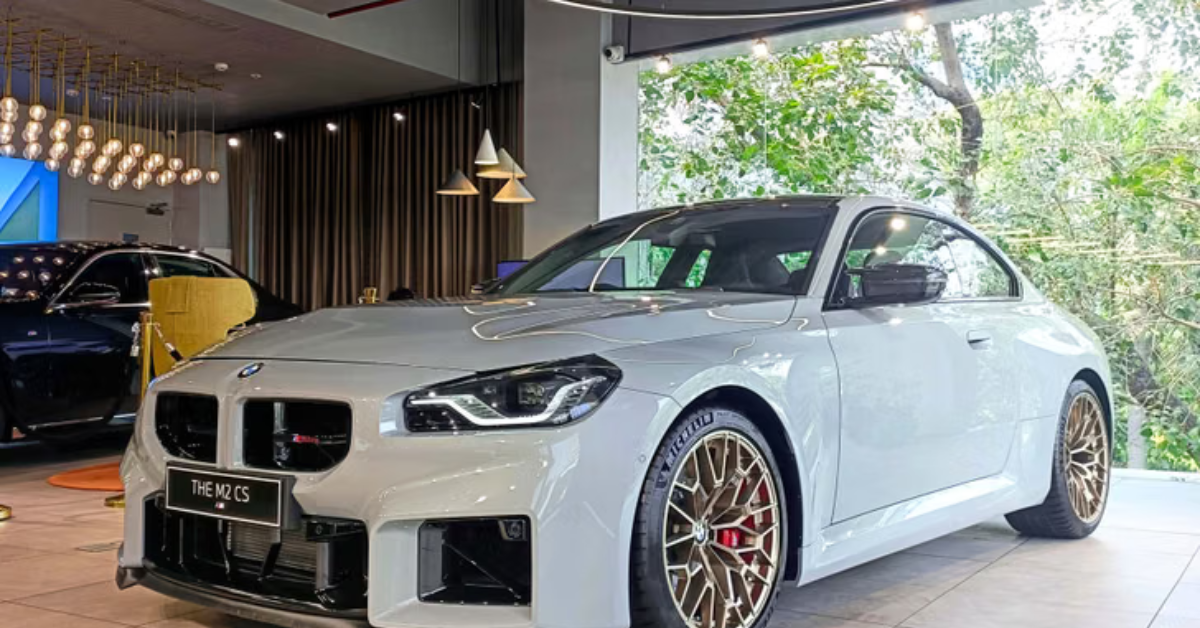
The luxury automobile industry continues to evolve rapidly, driven by technological innovation, electrification, premium customer expectations, and increasing global demand. As manufacturers invest heavily in next-generation mobility solutions, pricing strategies are also adapting to changing market realities. In a recent development that has attracted significant attention in the premium automotive segment, BMW Group has announced a 2 percent price hike across its vehicle lineup effective from July 2026.
While a 2 percent increase may appear modest at first glance, luxury vehicle pricing adjustments often have broader implications for buyers, dealerships, financing plans, and market dynamics. For customers considering a premium sedan, luxury SUV, performance vehicle, or electric model, the announcement raises important questions about purchase timing, ownership costs, and long-term value.
BMW has built a strong reputation in India and across global markets for delivering a unique combination of performance, luxury, technology, and driving pleasure. The latest price revision reflects broader industry trends that are reshaping the premium vehicle landscape.
Let’s examine what this price hike means, why manufacturers revise pricing, and how it could influence luxury car buying decisions in 2026 and beyond.
Understanding Price Revisions in the Luxury Car Market
Automobile pricing is influenced by numerous factors.
Luxury vehicle manufacturers must manage:
- Rising raw material costs
- Advanced technology investments
- Supply chain expenses
- Manufacturing upgrades
- Research and development costs
- Regulatory compliance requirements
As these costs increase, companies periodically revise pricing to maintain profitability while continuing to invest in innovation.
Price revisions are common across the automotive industry and are often viewed as part of long-term business planning.
Why Luxury Brands Increase Prices
Luxury vehicle manufacturers operate differently from mass-market brands.
Premium vehicles incorporate advanced systems and materials that require significant investment.
These include:
- High-performance powertrains
- Sophisticated electronics
- Premium cabin materials
- Advanced safety technologies
- Connected vehicle systems
- Electrification platforms
Developing and refining these technologies requires substantial resources.
As manufacturers continue pushing innovation boundaries, periodic pricing adjustments become increasingly common.
BMW’s Strong Position in the Premium Segment
BMW remains one of the most recognized luxury automotive brands globally.
The company has successfully established itself across multiple categories, including:
- Premium sedans
- Luxury SUVs
- Performance vehicles
- Electric vehicles
- Executive transportation solutions
Its strong brand image attracts:
- Corporate executives
- Entrepreneurs
- Luxury lifestyle buyers
- Automobile enthusiasts
- Performance-focused consumers
Because of this broad appeal, even relatively small pricing changes often attract significant market attention.
Impact on Prospective Buyers
The most immediate impact of a price increase is on customers currently considering a purchase.
Buyers Planning Immediate Purchases
Consumers evaluating BMW vehicles before July 2026 may choose to accelerate their buying decisions.
Potential benefits of purchasing before revised pricing takes effect include:
- Lower acquisition costs
- Better financing value
- Reduced loan amounts
- Higher immediate savings
Many buyers view announced price hikes as an opportunity to secure current pricing before increases are implemented.
Long-Term Luxury Buyers
For some customers, a 2 percent increase may not significantly alter purchasing plans.
Luxury buyers often prioritize:
- Brand prestige
- Performance capabilities
- Technology offerings
- Ownership experience
- Product exclusivity
For these consumers, the overall value proposition may remain unchanged despite moderate price adjustments.
What the 2% Increase Means Financially
Although 2 percent sounds relatively small, its impact can vary depending on the vehicle category.
For premium and luxury vehicles, even a small percentage increase can translate into a notable amount.
Potential implications include:
- Higher ex-showroom pricing
- Increased financing amounts
- Slightly higher insurance calculations
- Modified leasing structures
The overall effect depends on the specific model and ownership plan selected by the buyer.
Luxury SUVs Continue to Drive Demand
One of the strongest trends in the premium automotive market is the growing popularity of luxury SUVs.
Consumers increasingly choose SUVs because they offer:
- Elevated seating position
- Better road visibility
- Spacious interiors
- Practical versatility
- Strong road presence
BMW’s SUV portfolio has become a major contributor to its success.
Despite price revisions, demand for premium SUVs remains strong due to their combination of luxury, practicality, and performance.
Technology Investments and Their Influence on Pricing
Technology has become one of the largest cost drivers in modern automobiles.
Luxury vehicles increasingly feature:
- Large digital displays
- Connected car technology
- Artificial intelligence integration
- Advanced navigation systems
- Voice command functionality
- Software-driven vehicle management
Developing and maintaining these systems requires ongoing investment.
Manufacturers often adjust pricing to support continued innovation and technological advancement.
The Electrification Revolution
The automotive industry is undergoing one of its biggest transformations in history.
Electric mobility is becoming a major focus for manufacturers worldwide.
BMW continues investing heavily in:
- Electric vehicle development
- Battery technologies
- Charging ecosystem integration
- Sustainable manufacturing
- Software-driven mobility solutions
These investments represent significant long-term commitments.
Price revisions can help support the resources required to accelerate electrification efforts.
Ownership Experience Remains a Priority
Luxury buyers rarely evaluate vehicles based solely on purchase price.
The ownership experience often plays an equally important role.
Factors influencing luxury vehicle purchases include:
- Driving comfort
- Technology ecosystem
- Customer service
- Brand reputation
- Service quality
- Vehicle refinement
BMW has built a strong reputation in these areas, helping maintain customer loyalty even when prices increase.
Financing and Luxury Vehicle Purchases
Financing has become a common method of purchasing premium vehicles.
A price increase can influence:
- Loan eligibility
- Monthly installments
- Down payment requirements
- Lease calculations
However, luxury manufacturers often provide competitive financing programs that help maintain affordability for eligible buyers.
Customers frequently evaluate financing offers alongside vehicle pricing when making purchase decisions.
Effect on the Pre-Owned Luxury Market
Price increases can also influence used vehicle values.
When new vehicle prices rise, pre-owned models sometimes become more attractive to buyers.
Potential benefits for existing owners may include:
- Improved resale demand
- Better value retention
- Increased market competitiveness
As a result, price revisions occasionally support stronger residual values within the pre-owned luxury segment.
Competitive Dynamics in the Premium Industry
The luxury automotive market remains highly competitive.
Manufacturers continuously compete through:
- Product innovation
- Advanced technologies
- Ownership programs
- Electrification initiatives
- Customer experience enhancements
Despite pricing changes, premium brands continue attracting buyers through differentiated experiences and product excellence.
BMW’s established reputation positions it strongly within this competitive environment.
Why Luxury Vehicle Demand Continues Growing
Several factors continue supporting demand for premium automobiles.
Rising Income Levels
Economic growth has increased access to luxury mobility solutions for a larger customer base.
Aspirational Purchasing
Luxury vehicles often symbolize professional success and personal achievement.
Technology Adoption
Consumers increasingly seek advanced safety systems, connected services, and innovative features.
Premium Mobility Trends
Customers are placing greater value on comfort, refinement, and personalized driving experiences.
These trends help sustain demand despite periodic price adjustments.
What Buyers Should Consider Before July 2026
Customers currently evaluating a BMW purchase may wish to assess several factors before the new pricing becomes effective.
Important considerations include:
- Current vehicle pricing
- Available dealership offers
- Financing opportunities
- Insurance expenses
- Ownership goals
- Future resale expectations
For buyers already planning a purchase, securing a vehicle before the revised pricing date may provide additional value.
However, purchasing decisions should always align with individual financial objectives and long-term ownership plans.
Future Outlook for BMW
BMW’s future remains closely linked to innovation and premium mobility.
The company continues focusing on:
- Electrification
- Sustainable manufacturing
- Software integration
- Connected vehicle technology
- Advanced driver assistance systems
These areas are expected to shape the next generation of luxury automobiles.
As consumer expectations continue evolving, BMW’s investments are likely to strengthen its long-term market position.
Final Verdict
BMW Group’s decision to implement a 2 percent price hike from July 2026 reflects broader trends affecting the global automotive industry. Rising technology investments, electrification initiatives, premium feature integration, and evolving market conditions continue influencing vehicle pricing across the luxury segment.
While the increase may encourage some buyers to finalize purchases before the revised prices take effect, it is unlikely to significantly impact BMW’s overall appeal. The brand continues to offer a compelling combination of luxury, performance, innovation, safety, and driving dynamics that attracts premium customers worldwide.
For prospective buyers, the announcement serves as an opportunity to evaluate purchasing plans and ownership goals before the new pricing structure begins. As the automotive industry moves toward a future defined by smart mobility, electrification, and advanced technology, BMW remains well-positioned to continue shaping the premium vehicle landscape while delivering the high-quality ownership experience its customers expect.
About the Author