The commercial electric vehicle industry is entering a new era as Bosch and Mitsubishi have officially launched an advanced fast-swap EV truck hub in China. This innovative project represents a major breakthrough in electric freight transportation and could significantly transform how commercial electric trucks operate in the future.
As electric mobility rapidly expands worldwide, one of the biggest challenges for commercial EVs has been charging time. Unlike passenger electric cars, commercial trucks often operate on strict schedules where long charging breaks can reduce efficiency and profitability.
To solve this problem, Bosch and Mitsubishi are introducing battery-swapping technology that allows electric trucks to replace depleted batteries with fully charged units within minutes. This dramatically reduces downtime and improves fleet productivity.
The launch of the fast-swap EV truck hub highlights the growing importance of smart logistics, sustainable transportation, and advanced charging infrastructure in the future of global freight movement.
China, already the world’s largest EV market, is becoming a testing ground for many next-generation commercial electric vehicle technologies, and this new battery-swapping hub could play a major role in shaping the future of electric trucking worldwide.
Let’s take a detailed look at how the Bosch-Mitsubishi EV truck hub works and why it could become a game changer for the commercial transport industry.
The Growing Demand For Electric Commercial Vehicles
The global transportation industry is under increasing pressure to reduce carbon emissions and improve environmental sustainability.
Commercial trucks are responsible for a large share of transportation-related emissions because they operate continuously across long distances while carrying heavy loads.
Governments and logistics companies around the world are now aggressively investing in:
- Electric freight vehicles
- Green logistics systems
- Smart transportation technology
- Sustainable fleet operations
- Carbon-neutral delivery solutions
However, commercial EV adoption faces several major challenges, including:
- Charging infrastructure limitations
- Long charging times
- Operational downtime
- Battery range concerns
- Fleet efficiency management
Battery-swapping technology aims to address many of these challenges.
What Is Battery-swapping Technology?
Battery swapping is an alternative to conventional EV charging.
Instead of waiting for an electric truck’s battery to recharge, the depleted battery is quickly removed and replaced with a fully charged one at a specialized station.
The process can take only a few minutes compared to traditional charging sessions that may require much longer waiting periods.
Battery-swapping systems typically involve:
- Automated battery replacement equipment
- Standardized battery packs
- Robotic battery handling systems
- Smart battery management software
- Charging storage infrastructure
This approach is especially beneficial for commercial vehicles that require maximum uptime and continuous operation.
Why Fast Battery Swapping Matters For Trucks
Commercial trucking businesses rely heavily on operational efficiency.
Long charging times can create serious problems for logistics companies because vehicles spend less time transporting goods and more time waiting at charging stations.
Fast battery swapping offers several major advantages:
- Reduced vehicle downtime
- Faster freight operations
- Higher fleet productivity
- Improved route efficiency
- Better logistics planning
- Lower operational delays
For commercial fleet operators, time directly affects profitability.
Battery swapping allows electric trucks to operate more similarly to traditional diesel trucks, where refueling takes only a short amount of time.
Inside The Bosch-Mitsubishi EV Truck Hub
The newly launched EV truck hub in China is designed specifically for commercial fleet operations.
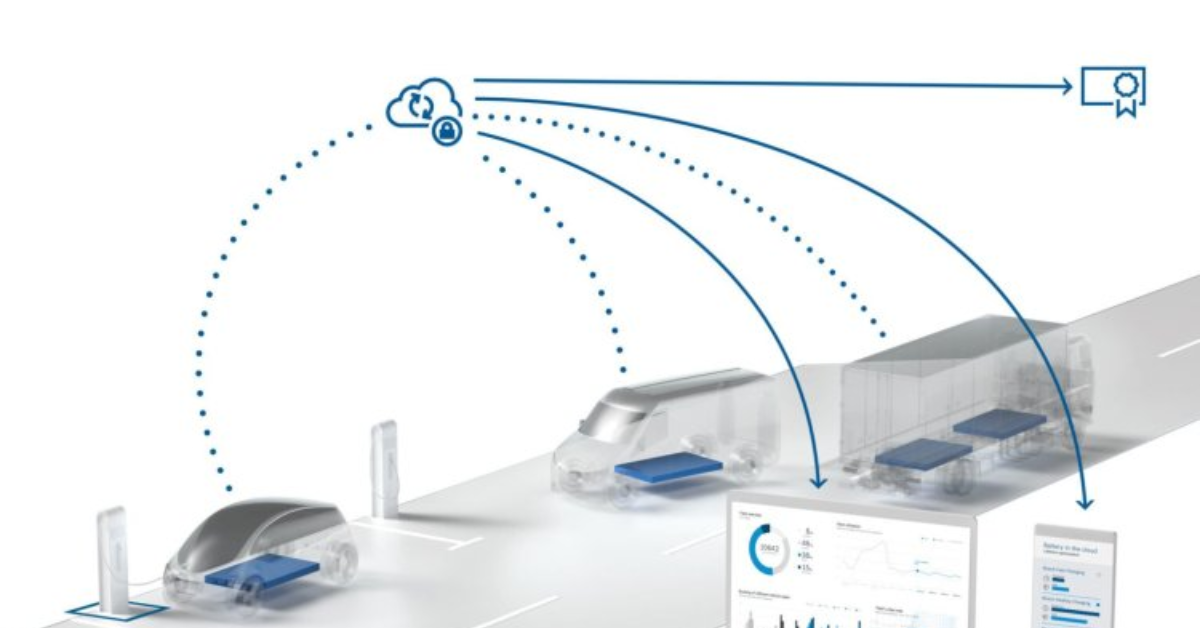
The facility integrates advanced battery-swapping systems with intelligent fleet management technologies to create a high-efficiency logistics ecosystem.
Key features of the hub may include:
- Automated battery exchange systems
- High-capacity charging infrastructure
- Fleet monitoring software
- Smart battery storage systems
- AI-driven energy management
- Real-time operational tracking
The hub is expected to support large numbers of electric trucks operating across commercial logistics routes.
This infrastructure helps reduce congestion while improving the efficiency of electric freight transportation.
China’s Role In EV Innovation
China has become one of the world’s leading markets for electric vehicles and EV infrastructure innovation.
The country has aggressively invested in:
- EV manufacturing
- Battery technology
- Charging networks
- Smart transportation systems
- Green energy solutions
Commercial EV deployment in China is expanding rapidly, especially in logistics and urban freight sectors.
Battery-swapping technology has gained particularly strong momentum in China because of the country’s large-scale transportation demands and fast-growing electric mobility ecosystem.
The Bosch-Mitsubishi project further strengthens China’s role as a global leader in advanced EV infrastructure experimentation.
Bosch’s Contribution To Smart Mobility
Bosch is one of the world’s largest automotive technology suppliers and has been heavily investing in future mobility solutions.
The company focuses on:
- Electric powertrain systems
- Smart mobility technology
- AI-driven vehicle systems
- Autonomous driving
- Sustainable transportation
Bosch’s expertise in automation and industrial technology likely plays a major role in the battery-swapping systems used at the new EV truck hub.
Its advanced engineering capabilities help improve efficiency, reliability, and scalability for large commercial operations.
Mitsubishi’s Role In Commercial Transport Innovation
Mitsubishi has extensive experience in commercial vehicles, industrial systems, and advanced transportation technologies.
The company has increasingly focused on sustainable mobility and electrification strategies for commercial transportation.
By partnering with Bosch, Mitsubishi gains access to advanced infrastructure solutions while contributing expertise in commercial vehicle operations and logistics systems.
This collaboration demonstrates how partnerships between major automotive and technology companies are becoming increasingly important in the EV era.
Advantages Over Traditional EV Charging
While fast charging technology continues to improve, battery swapping offers unique advantages for commercial vehicles.
Faster Turnaround Times
Battery swapping can potentially reduce charging downtime from hours to just minutes.
Better Fleet Efficiency
Commercial operators can keep vehicles on the road longer.
Centralized Battery Management
Fleet operators may manage battery health more efficiently through centralized charging systems.
Lower Peak Charging Pressure
Battery swapping hubs can charge batteries gradually, reducing strain on electrical grids.
Improved Logistics Planning
Predictable battery replacement times simplify fleet scheduling.
These advantages make battery swapping particularly attractive for commercial trucking industries.
Challenges Facing Battery-swapping Systems
Despite its benefits, battery swapping also faces several challenges.
Battery Standardization
Different truck manufacturers often use different battery designs, making standardization difficult.
Infrastructure Costs
Building automated swapping hubs requires major investment.
Battery Ownership Models
Companies must decide whether batteries are owned by customers, manufacturers, or service providers.
Technological Complexity
Automated battery replacement systems require advanced robotics and precision engineering.
However, partnerships like Bosch and Mitsubishi’s may help accelerate solutions to these challenges.
Impact On Sustainable Logistics
The transportation and logistics industry is rapidly moving toward sustainability-focused operations.
Electric commercial trucks combined with battery-swapping technology could significantly reduce:
- Carbon emissions
- Diesel fuel dependence
- Urban air pollution
- Noise pollution
Fast-swap infrastructure may also encourage more logistics companies to transition from diesel fleets to electric alternatives.
This could play a major role in achieving global environmental targets over the coming decades.
Future Of Commercial EV Infrastructure
The launch of the Bosch-Mitsubishi EV truck hub signals a larger transformation in commercial transportation infrastructure.
Future logistics systems may include:
- Automated charging depots
- AI-managed fleet operations
- Smart battery ecosystems
- Renewable energy integration
- Autonomous freight networks
Battery swapping may become particularly important for:
- Long-haul trucking
- Delivery fleets
- Industrial transport
- Mining operations
- Urban logistics services
As battery technology evolves further, swapping systems could become faster, cheaper, and more widely adopted globally.
Why Commercial EVs Are Different From Passenger EVs
Passenger electric vehicles and commercial electric trucks have very different operational requirements.
Commercial fleets prioritize:
- Maximum uptime
- Fast turnaround
- Operational efficiency
- Predictable scheduling
- High utilization rates
Battery swapping aligns extremely well with these priorities.
This is why many experts believe swapping systems may gain stronger adoption in commercial sectors than in regular passenger vehicles.
Final Verdict
The launch of the Bosch and Mitsubishi fast-swap EV truck hub in China represents a major milestone for the future of commercial electric transportation.
By combining advanced battery-swapping technology with intelligent logistics infrastructure, the project aims to solve one of the biggest challenges facing electric commercial vehicles — charging downtime.
The initiative demonstrates how innovation, automation, and strategic partnerships are reshaping the future of sustainable freight transportation.
As global demand for electric commercial vehicles continues to grow, solutions like battery swapping may become increasingly important for improving efficiency, reducing emissions, and supporting large-scale fleet electrification.
China’s rapidly evolving EV ecosystem provides an ideal environment for testing these advanced mobility technologies, and the Bosch-Mitsubishi partnership could influence future commercial EV infrastructure development worldwide.
The project also highlights a broader industry shift where the future of electric mobility depends not only on better vehicles but also on smarter infrastructure systems that support them efficiently.
About the Author