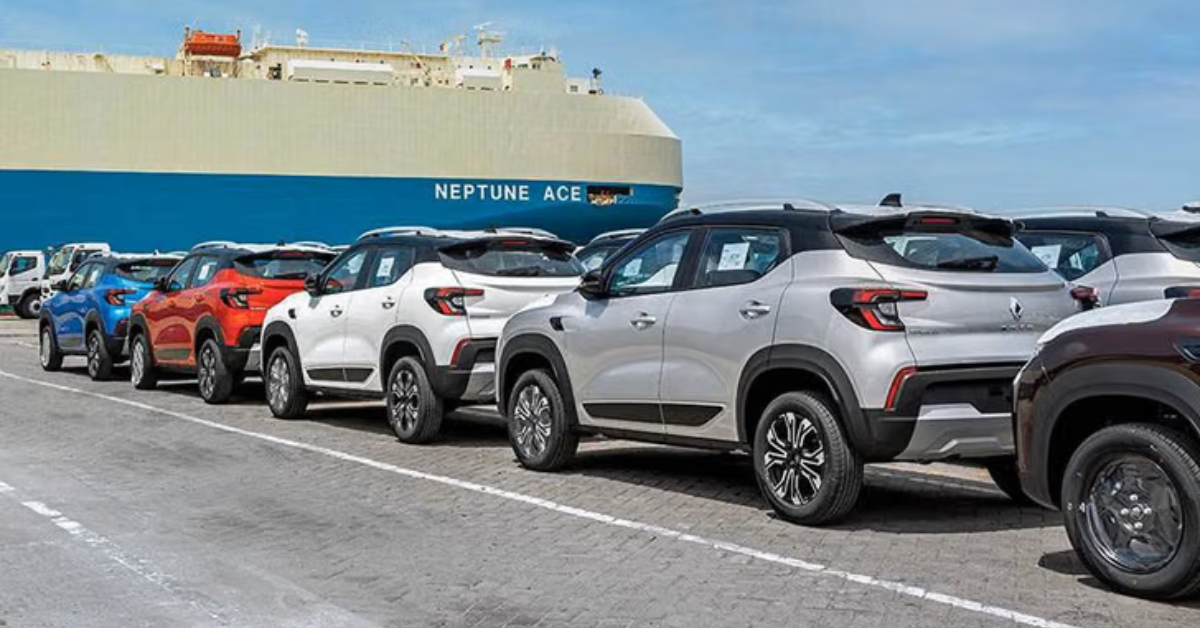
Renault is making a bold statement about its future in India. The French automaker has set an ambitious target of achieving 2 billion euros in annual exports from India by 2030. This move highlights not only the growing importance of India in Renault’s global strategy but also the country’s emergence as a key automotive manufacturing hub.
Over the past decade, India has evolved from being just a domestic market to a major export base for global automakers. Renault’s latest announcement reinforces this transformation and signals a new phase of growth for both the company and the Indian automotive industry.
Let’s take a deeper look at what this export target means, how Renault plans to achieve it, and why it matters for the future of the industry.
Why India Is Central to Renault’s Global Strategy
India offers several advantages that make it an ideal manufacturing and export base.
Key Advantages:
- Cost-effective production capabilities
- Skilled workforce
- Strong supplier ecosystem
- Strategic geographic location
These factors allow automakers like Renault to produce vehicles competitively and export them to multiple global markets.
For Renault, India is no longer just a sales market—it is a strategic hub for global operations.
Understanding the €2 Billion Export Target
Renault’s goal of reaching 2 billion euros in annual exports by 2030 is both ambitious and achievable.
What This Target Represents:
- Significant increase in export volumes
- Expansion into new international markets
- Higher production capacity utilization
This target also reflects Renault’s confidence in India’s manufacturing potential and its ability to meet global standards.
Key Pillars of Renault’s Export Strategy
To achieve this ambitious goal, Renault is focusing on several key areas.
1. Expanding Product Portfolio
Renault plans to introduce new models that are suitable for global markets.
These may include:
- Compact SUVs
- Affordable cars
- Electric vehicles
By offering a diverse range of products, Renault can cater to different customer needs across regions.
2. Focus on Emerging Markets
Renault is likely to target markets in:
- Africa
- Latin America
- Southeast Asia
- Middle East
These regions have growing demand for affordable and reliable vehicles, making them ideal for exports from India.
3. Strengthening Manufacturing Capabilities
To support increased exports, Renault will need to enhance its production capacity.
Expected Developments:
- Upgrading existing plants
- Improving efficiency
- Adopting advanced manufacturing technologies
This will ensure consistent quality and scalability.
4. Localization and Cost Efficiency
Localization plays a crucial role in reducing production costs.
By sourcing components locally, Renault can:
- Lower manufacturing expenses
- Improve supply chain efficiency
- Increase competitiveness in global markets
Role of Electric Vehicles in Export Growth
Electric vehicles are expected to play a significant role in Renault’s export strategy.
Why EVs Matter:
- Growing global demand
- Stricter emission regulations
- Government incentives in various countries
Renault may use India as a base to manufacture affordable EVs for export, leveraging its cost advantages.
Impact on Indian Automotive Industry
Renault’s export ambitions are not just beneficial for the company—they also have a positive impact on the broader industry.
Key Benefits:
- Increased job creation
- Growth in the supplier ecosystem
- Boost to India’s export economy
- Technology transfer and innovation
This move strengthens India’s position as a global automotive hub.
Challenges in Achieving the Target
While the goal is promising, it comes with challenges.
1. Global Competition
Other countries are also competing as export hubs.
2. Supply Chain Risks
Disruptions can impact production and exports.
3. Regulatory Differences
Different markets have varying standards and requirements.
4. Currency Fluctuations
Exchange rate changes can affect profitability.
Renault will need to manage these factors carefully.
How Renault Plans to Overcome Challenges
Renault is likely to adopt a multi-pronged approach:
- Diversifying export markets
- Investing in technology and innovation
- Strengthening partnerships with suppliers
- Enhancing quality control processes
These steps will help mitigate risks and ensure steady growth.
Competitive Landscape
Renault is not alone in targeting exports from India.
Other Automakers:
- Hyundai
- Suzuki
- Tata Motors
- Mahindra
These companies are also leveraging India as a manufacturing base.
Renault will need to differentiate itself through:
- Product quality
- Pricing strategy
- Innovation
Future Outlook
The future looks promising for Renault’s export plans.
Expected Trends:
- Increased demand for affordable vehicles
- Growth in electric mobility
- Expansion into new markets
If executed well, Renault could significantly strengthen its global presence.
Pros and Cons of the Strategy
Pros
- Increased global reach
- Better utilization of manufacturing capacity
- Stronger brand presence
- Economic benefits for India
Cons
- High initial investment
- Dependence on global market conditions
- Operational challenges
What This Means for Consumers
For Indian consumers, this strategy could bring several benefits:
- Improved product quality
- Access to global-standard vehicles
- More advanced features and technology
It may also lead to:
- Better resale value
- Increased brand trust
Final Verdict
Renault’s plan to achieve 2 billion euros in annual exports from India by 2030 is a bold and forward-looking strategy. It reflects the company’s confidence in India’s capabilities and its commitment to long-term growth.
Conclusion
The automotive industry is undergoing a major transformation, and India is at the center of this change. Renault’s export ambitions highlight the country’s growing importance in the global market.
By focusing on innovation, efficiency, and strategic expansion, Renault aims to turn India into a key pillar of its global operations.
If successful, this strategy will not only benefit the company but also contribute to the growth of the Indian automotive ecosystem, creating opportunities and driving progress for years to come.
About the Author