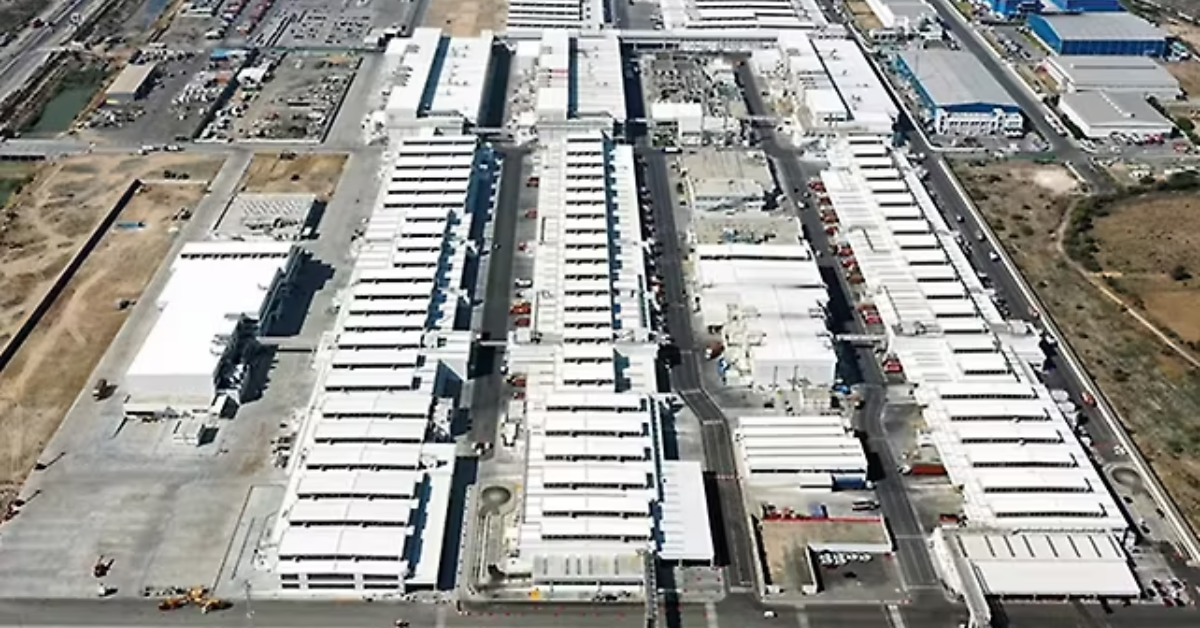
India’s largest car manufacturer, Maruti Suzuki, has taken another massive step toward expanding its manufacturing network by officially beginning production at its second Kharkhoda plant. This development marks a major milestone not only for the company but also for the Indian automobile sector, which is witnessing rapid growth in vehicle demand, exports, electric mobility, and advanced automotive manufacturing.
The Kharkhoda facility has already been one of the most talked-about industrial projects in the Indian auto industry. With production now commencing at the second plant, Maruti Suzuki aims to significantly increase its manufacturing capacity, strengthen its supply chain, and prepare for future growth in both domestic and global markets.
The company’s aggressive expansion reflects rising consumer demand for affordable hatchbacks, SUVs, hybrid cars, and upcoming electric vehicles. It also signals Maruti Suzuki’s intention to maintain its dominant leadership position in India’s highly competitive automobile market.
Kharkhoda Plant Becomes a Strategic Manufacturing Hub
The Kharkhoda manufacturing facility is emerging as one of Maruti Suzuki’s largest and most important production hubs. Located in Haryana, the plant is strategically positioned to support large-scale vehicle manufacturing and faster distribution across India.
The new facility is expected to play a crucial role in increasing production efficiency, reducing waiting periods for customers, and supporting the company’s ambitious future plans in the premium and electric vehicle segments.
Maruti Suzuki has been aggressively expanding production because demand for vehicles in India continues to rise steadily, especially in categories like compact SUVs, premium hatchbacks, and fuel-efficient family cars.
The Kharkhoda project is also part of the company’s long-term strategy to prepare for future technologies, including electric mobility and advanced hybrid systems.
Massive Production Capacity Expansion Planned
One of the biggest highlights of the second Kharkhoda plant is its large production capacity. The company is reportedly aiming to manufacture hundreds of thousands of vehicles annually from this facility.
The new plant will help Maruti Suzuki:
- Increase overall production output
- Reduce delivery waiting times
- Improve export operations
- Meet rising SUV demand
- Prepare for electric vehicle production
- Strengthen supply chain efficiency
The expansion comes at a time when the Indian passenger vehicle market is becoming increasingly competitive. Rivals are introducing new SUVs, hybrid cars, and premium vehicles rapidly, forcing manufacturers to scale up operations and modernize factories.
By increasing manufacturing capabilities, Maruti Suzuki can respond faster to market demand and maintain strong availability across dealerships nationwide.
Focus on SUVs and Premium Vehicles
The Indian automobile market has shifted significantly toward SUVs over the last few years. Customers now prefer vehicles with higher ground clearance, modern styling, advanced technology, and spacious interiors.
Maruti Suzuki has already seen strong demand for SUVs like:
- Brezza
- Grand Vitara
- Fronx
- Jimny
- Invicto
The new Kharkhoda facility is expected to support production of current and upcoming SUV models.
In addition to SUVs, Maruti Suzuki is also focusing more aggressively on premium vehicles through its Nexa dealership network. Buyers are increasingly willing to spend more on luxury features, connected technology, safety systems, and automatic transmissions.
The new plant could help the company improve production of feature-loaded premium cars designed for urban buyers and young professionals.
Electric Vehicle Production Could Be a Future Goal
One of the most important aspects of Maruti Suzuki’s future strategy is electric mobility. The company has already confirmed plans to enter the EV segment more aggressively in the coming years.
The Kharkhoda plant could become a major production base for upcoming electric vehicles.
India’s EV market is growing rapidly due to:
- Rising fuel prices
- Government incentives
- Increasing environmental awareness
- Expansion of charging infrastructure
- Demand for low running-cost vehicles
Maruti Suzuki understands that electric vehicles will play a major role in the future automobile industry. As a result, the company appears to be investing heavily in modern manufacturing technologies capable of supporting EV production.
Future electric SUVs and compact electric cars may eventually roll out from the Kharkhoda facility.
Advanced Manufacturing Technology Expected
Modern automobile factories are now heavily dependent on automation, robotics, artificial intelligence, and smart production systems.
The second Kharkhoda plant is expected to feature advanced manufacturing technologies that improve:
- Production speed
- Quality control
- Worker safety
- Energy efficiency
- Vehicle precision
- Operational efficiency
Automated assembly systems and modern robotics can significantly reduce production errors while improving consistency in vehicle quality.
Maruti Suzuki has consistently focused on delivering reliable and fuel-efficient cars, and advanced production systems help maintain those standards on a larger scale.
Major Employment Opportunities Created
Large automobile manufacturing facilities also generate significant employment opportunities. The Kharkhoda project is expected to create thousands of direct and indirect jobs.
Employment benefits may include:
- Factory workers
- Engineers
- Technicians
- Logistics staff
- Supply chain professionals
- Ancillary industry jobs
Apart from direct employment, local businesses and supporting industries around the plant are also expected to benefit economically.
Automobile manufacturing projects often help improve regional infrastructure, transportation connectivity, and industrial growth in surrounding areas.
The expansion could contribute significantly to Haryana’s industrial development and economic activity.
Export Operations May Strengthen Further
Maruti Suzuki has been increasing its export operations steadily over the years. Indian-made vehicles are now being exported to multiple global markets.
The new Kharkhoda plant may help the company:
- Increase export production
- Improve global supply capabilities
- Support international demand
- Enhance production flexibility
Global demand for affordable, fuel-efficient compact vehicles remains strong in several developing markets.
With higher production capacity, Maruti Suzuki can potentially strengthen its presence in overseas markets while continuing to dominate domestic sales.
Competition in the Indian Auto Market Intensifies
The Indian passenger vehicle segment is witnessing intense competition from both domestic and international manufacturers.
Brands are rapidly launching:
- New compact SUVs
- Electric cars
- Hybrid vehicles
- Feature-loaded premium hatchbacks
- Advanced safety technologies
To remain ahead in the market, manufacturers need strong production capabilities and fast scalability.
Maruti Suzuki’s new Kharkhoda facility demonstrates the company’s determination to remain competitive despite changing consumer preferences and increasing market pressure.
The company’s large dealership network, affordable maintenance costs, fuel-efficient engines, and trusted brand value continue to provide strong advantages.
Why This Expansion Is Important for Indian Buyers
The production expansion at Kharkhoda could directly benefit Indian car buyers in several ways.
1. Faster Vehicle Deliveries
Higher manufacturing capacity may reduce waiting periods for popular models.
2. Better Availability of SUVs
Demand for SUVs remains extremely high, and additional production can improve supply.
3. Improved Technology Integration
New factories usually support more advanced production techniques and modern vehicle technologies.
4. Stronger EV Development
The facility may accelerate the launch of Maruti Suzuki electric vehicles in India.
5. More Competitive Pricing
Large-scale production often helps manufacturers manage costs more efficiently.
Future Product Possibilities from Kharkhoda Plant
Industry experts believe several upcoming models could eventually be produced at the Kharkhoda facility.
Possible future vehicles include:
- New-generation compact SUVs
- Hybrid family cars
- Electric SUVs
- Premium hatchbacks
- Affordable EVs
- Export-focused models
As customer preferences continue evolving, Maruti Suzuki may use the plant to develop more technology-focused vehicles with advanced safety systems, connected features, and electrified powertrains.
Maruti Suzuki’s Long-Term Vision
The second Kharkhoda plant represents more than just a manufacturing expansion. It reflects Maruti Suzuki’s long-term vision for the future Indian automobile market.
The company appears focused on:
- Expanding premium offerings
- Increasing SUV market share
- Entering the EV segment strongly
- Strengthening exports
- Improving production efficiency
- Enhancing customer satisfaction
With India becoming one of the world’s fastest-growing automobile markets, large-scale investments in manufacturing infrastructure are becoming increasingly important.
Maruti Suzuki’s expansion strategy could help the company maintain its leadership position for years to come.
Final Verdict
The beginning of production at Maruti Suzuki’s second Kharkhoda plant marks a major milestone for both the company and India’s automobile industry. The expansion highlights the growing demand for vehicles, rising importance of SUVs, and the future transition toward electric mobility.
The new facility is expected to boost manufacturing capacity, improve supply efficiency, create thousands of jobs, and strengthen India’s position as a global automobile production hub.
For Indian buyers, this development could eventually translate into faster deliveries, improved vehicle availability, advanced technology integration, and a wider range of future products.
As the automobile industry continues evolving rapidly, Maruti Suzuki’s aggressive expansion strategy shows that the company is preparing not just for today’s market, but also for the future of mobility in India.
About the Author