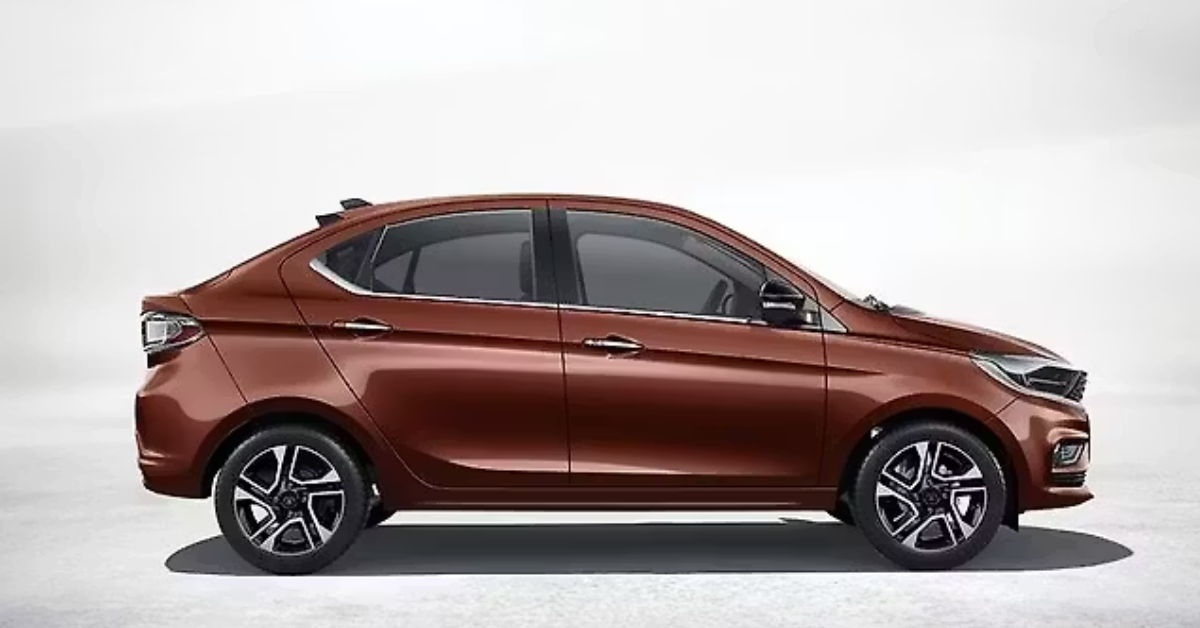
The Tata Tigor facelift is once again back in the spotlight, this time thanks to newly surfaced design patent images that preview the updated sedan ahead of its official launch. For buyers who still prefer the comfort, practicality and boot space of a compact sedan over a hatchback or entry-level SUV, this is an important development. The Tigor has always been one of Tata’s more sensible and value-focused products, but in a market where design, features and cabin experience matter more than ever, the facelift has the potential to make the car feel much fresher and more desirable.
The patent images are especially interesting because they often provide one of the clearest early looks at a vehicle’s production-ready styling direction. In the case of the upcoming Tigor facelift, these images suggest that Tata is working on a meaningful visual refresh rather than a minor cosmetic tweak. The sedan appears set to receive a revised front-end design, updated detailing and a more contemporary overall look that could help it remain competitive in a segment that has become smaller but still important for practical car buyers.
In this blog, we take a detailed look at what the upcoming Tata Tigor facelift previewed via design patent images tells us, what changes can be expected on the outside and inside, what may remain the same mechanically, how Tata could position it in the market and why this facelift matters for sedan buyers in 2026.
Why the Tata Tigor Facelift Still Matters
Compact sedans may not generate the same hype as SUVs, but they continue to serve a very important audience in India. There are still many buyers who want:
- A proper boot instead of a hatchback-style tailgate
- Better luggage separation for family use
- A more mature and balanced car design
- Comfortable city use with occasional highway practicality
- A value-oriented vehicle with manageable running costs
The Tata Tigor has long been one of the more practical choices in this space. It offers a sedan body style in a relatively compact footprint, making it easy enough to drive in city traffic while still providing the feel of a proper family car. But the market has evolved. Today, even budget-conscious buyers expect sharper styling, bigger touchscreens, connected features, premium interiors and stronger visual appeal. That is exactly why the facelift is important. It gives Tata a chance to keep the Tigor relevant by refreshing the parts of the car that influence showroom appeal the most.
Patent Images Give the First Serious Look at the New Design
Design patent images are often the first sign that a facelifted model is nearing its next phase of development, and they usually reveal the broad styling direction without the camouflage seen on test mules. In the case of the Tata Tigor facelift, the patent images appear to confirm that Tata is preparing a noticeable visual update rather than a token refresh.
What stands out immediately is the sense that the facelifted Tigor will look more mature, cleaner and slightly more premium than the outgoing version. Tata seems to be refining the sedan’s identity without changing the core proportions that make the Tigor familiar and practical.
Exterior Design Changes Expected in the Tata Tigor Facelift
The biggest visible transformation on the Tigor facelift is expected to come from the exterior design. Even if the overall silhouette remains largely unchanged, the details appear set to make a meaningful difference.
1. New Front Fascia Could Be the Biggest Change
As is the case with most facelifts, the front end appears to be where Tata has concentrated most of its design effort. The patent images suggest a revised bumper, a fresh grille treatment and updated headlamp styling. Together, these changes could give the Tigor a much sharper and more contemporary face.
A redesigned front fascia matters because it is the first thing buyers notice in a showroom or on the road. If Tata can give the Tigor a stronger front-end identity—something more aligned with the brand’s newer design direction—it can significantly improve the sedan’s appeal among younger buyers as well as existing Tata customers looking for an upgrade.
2. Sharper Lighting Elements
Lighting design has become a key part of modern car styling, and the facelifted Tigor is expected to benefit from this trend. The updated sedan could feature revised headlamp graphics, LED daytime running lamps on higher trims and refreshed rear lighting signatures. Even subtle lighting changes can make a car look much more modern and premium, especially at night.
3. Refreshed Grille and Bumper Details
The grille and bumper are likely to play a major role in changing the Tigor’s character. A cleaner grille pattern, new inserts, sharper lower bumper lines and better visual integration with the headlamps can make the car feel more sophisticated. Tata may also use gloss-black or contrast-finished elements on top variants to increase the premium quotient.
4. New Alloy Wheel Design
Another likely change is a fresh set of alloy wheels for the higher variants. Wheel design may seem like a small update, but it has a big impact on road presence. A more stylish alloy design can help the Tigor look less utilitarian and more premium, which is exactly what a facelift should aim for.
5. Revised Rear Styling for a Cleaner Finish
The rear section of the Tigor may also receive subtle updates, likely including a revised bumper and updated tail-lamp detailing. Tata is unlikely to alter the sedan’s basic rear profile dramatically, but even a few design tweaks can make the back of the car feel more polished and contemporary.
What the Facelift Design Tells Us About Tata’s Strategy
The patent images suggest Tata is not trying to reinvent the Tigor from scratch. Instead, it appears to be following a smart facelift strategy: preserve the core practicality and familiar proportions of the sedan, while modernizing the design enough to make it feel new again. That approach makes sense because the Tigor’s basic formula is still relevant—it simply needs a more modern face and a stronger sense of freshness.
This kind of design strategy can work especially well for a car like the Tigor because many buyers in this segment are practical shoppers. They may not need radical styling, but they do appreciate a car that looks current and attractive for the next few years of ownership.
Interior Expectations: The Cabin Could See Important Upgrades Too
While the patent images mainly preview the exterior, a facelift of this importance is unlikely to stop at cosmetic changes outside. The interior is expected to receive updates as well, and in many ways, this is where Tata can create the biggest improvement in perceived value.
1. New Dashboard Trims and Better Cabin Ambience
The current Tigor’s cabin is functional, but the facelift could introduce a fresher dashboard treatment, revised trim materials and a more premium colour theme. Even small changes in textures, seat fabrics and dashboard accents can significantly improve the overall feel of the cabin.
2. Larger Touchscreen Infotainment System
One of the most expected upgrades is a bigger and more modern touchscreen infotainment setup. Buyers in this segment now expect seamless smartphone integration, better display quality and a more responsive interface. Tata could equip the facelifted Tigor with a larger infotainment screen, updated graphics and wireless smartphone connectivity on higher trims.
3. Digital Instrument Cluster or Enhanced Driver Display
A digital or semi-digital instrument cluster could also be part of the update. This would instantly modernize the cabin and improve the user experience for the driver. Even if Tata reserves the most advanced display for higher variants, the facelift would benefit from a more contemporary instrument layout across the range.
4. Premium Upholstery and Cabin Detailing
To strengthen the Tigor’s value proposition, Tata may also update the seat upholstery, door-pad materials and centre console finish. These are the touches that buyers notice in everyday use, and they help create the impression of a more expensive, more polished car.
Features That Could Be Offered in the New Tata Tigor Facelift
Tata will likely use the facelift as an opportunity to improve the Tigor’s equipment list. That is important because the compact sedan market may be smaller than before, but the expectations of buyers are actually higher.
Expected features in the new Tigor facelift may include:
- Larger touchscreen infotainment system
- Wireless Android Auto and Apple CarPlay on higher trims
- Updated digital or semi-digital instrument cluster
- Automatic climate control
- Rear parking camera with sensors
- Push-button start/stop
- Steering-mounted controls
- USB charging ports
- Connected car features in top variants
- Premium seat upholstery
- Auto-fold ORVMs depending on trim
If Tata manages to package these features well while keeping the price under control, the facelift could become a much more attractive proposition for urban family buyers.
Safety Will Continue to Be a Major Selling Point
One area where Tata already has a strong reputation is safety, and the facelifted Tigor is expected to continue building on that image. For many buyers, especially families, safety is no longer an optional extra—it is one of the main reasons to shortlist a car.
The Tata Tigor facelift is likely to continue offering a strong safety package with features such as:
- Dual airbags or more depending on variant
- ABS with EBD
- Rear parking sensors
- Rear camera in higher trims
- Seat belt reminders
- Strong body structure and solid build feel
- Additional stability-related aids depending on trim and market positioning
A well-equipped safety package can be a big differentiator in the compact sedan segment, where many buyers prioritize peace of mind as much as style or mileage.
Engine and Mileage: What Is Likely to Stay the Same?
Facelifts usually focus more on styling and features than mechanical changes, and the Tata Tigor facelift is expected to follow the same path. That means the existing petrol powertrain is likely to continue, possibly with minor refinements to drivability, smoothness or efficiency. Tata may also retain the CNG option, which would be a major advantage for buyers who prioritize low running costs.
Why Tata May Continue with the Existing Engine Setup
For most Tigor buyers, the engine is not about outright performance. Instead, priorities usually include:
- Good city drivability
- Manageable running costs
- Acceptable highway comfort
- Reliable everyday performance
- Better fuel efficiency and lower ownership stress
If Tata can improve refinement and overall driving feel while keeping the proven powertrain intact, the facelift could still feel significantly upgraded without requiring a full mechanical overhaul.
Mileage Appeal Could Remain Strong
Mileage will continue to be a major selling point for the Tigor, especially if Tata retains both petrol and CNG versions. The petrol model will likely appeal to regular city users and smaller families, while the CNG version could continue to attract high-mileage users and buyers looking to reduce monthly fuel expenses.
Expected Price and Positioning
Pricing will be one of the most important factors in the success of the Tata Tigor facelift. Tata will need to carefully balance the added cost of new styling and features with the Tigor’s reputation as a value-driven compact sedan. If the facelift is priced too aggressively, buyers may start comparing it with better-equipped hatchbacks or entry-level SUVs. But if Tata keeps the pricing sensible, the Tigor could remain a smart option for sedan buyers who want something practical and premium enough without overspending.
The facelifted Tigor is expected to continue targeting:
- Budget-conscious family buyers
- First-time sedan buyers
- Office commuters wanting a practical city car
- CNG users looking for lower running costs
- Buyers who prefer a sedan over a hatchback or small SUV
Why the Tata Tigor Facelift Could Still Make Sense in 2026
Even in an SUV-heavy market, the Tigor facelift has a clear purpose. It is not trying to compete with every trend-driven crossover. Instead, it aims to serve buyers who still value sedan practicality, manageable dimensions and good value. If Tata can sharpen the styling, improve the cabin, update the tech package and retain its safety strengths, the facelift could become one of the more sensible cars in its price bracket.
That matters because not every buyer wants an SUV. Many still want a comfortable, easy-to-drive sedan with a proper boot, balanced ride quality and lower ownership costs. The Tigor can continue to serve that audience well—provided the facelift feels modern enough to justify attention in today’s market.
Final Verdict
The upcoming Tata Tigor facelift previewed via design patent images looks like a promising update to one of Tata’s most practical compact sedans. The patent images suggest that Tata is preparing a meaningful visual refresh with a sharper front-end design, updated detailing and a more premium overall presence. If these exterior changes are combined with the expected cabin upgrades, better infotainment, stronger feature packaging and Tata’s existing safety strengths, the facelift could give the Tigor a new lease of life.
This update is important because the Tigor does not need to become something completely different to stay relevant. It simply needs to feel fresher, smarter and more premium while retaining the value, practicality and everyday usability that made it a sensible choice in the first place. Based on what the patent images suggest, Tata seems to be heading in exactly that direction.
About the Author