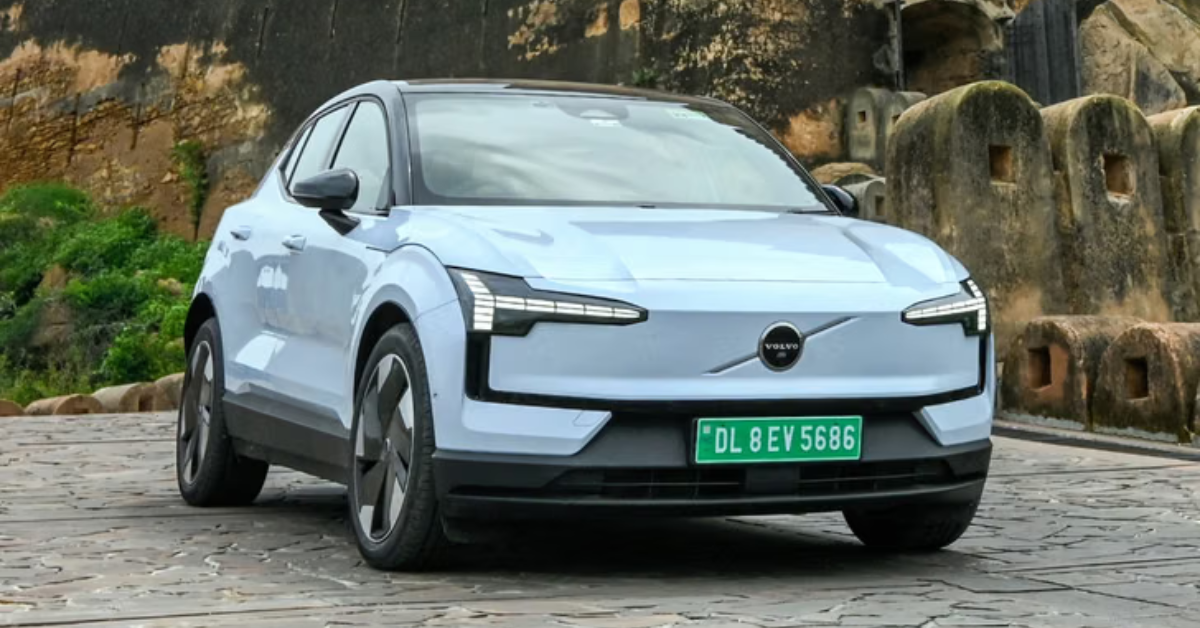
The Indian luxury car market is witnessing another important shift as Volvo India has announced a price hike across its entire model lineup. This move reflects broader industry trends and highlights the increasing cost pressures faced by premium automakers.
For buyers in the luxury segment, this development is more than just a price adjustment—it’s a signal of changing market dynamics, rising production costs, and the growing value of advanced automotive technology. Understanding the reasons behind this hike and its impact can help buyers make more informed decisions.
Why Volvo India Is Increasing Prices
Price hikes in the automotive industry are influenced by a variety of factors, especially in the premium segment where technology and quality standards are significantly higher.
1. Rising Input Costs
The cost of raw materials such as steel, aluminum, and high-grade components has increased globally. Luxury vehicles require superior materials, making them more sensitive to these cost fluctuations.
2. Advanced Technology Integration
Volvo vehicles are known for their cutting-edge safety features, hybrid systems, and advanced infotainment technologies. Continuous innovation leads to higher production costs, which are eventually reflected in pricing.
3. Global Supply Chain Challenges
Despite improvements in recent years, supply chain disruptions and logistics costs continue to impact manufacturing expenses.
4. Currency Fluctuations
As a global brand, Volvo imports several components. Changes in exchange rates can directly affect pricing strategies in India.
Impact on Luxury Car Buyers
For customers in the premium segment, price increases may not drastically alter purchasing power, but they do influence decision-making.
1. Accelerated Buying Decisions
Buyers who were already considering a Volvo vehicle may choose to finalize their purchase sooner to avoid paying higher prices.
2. Shift in Variant Selection
Some customers may opt for lower variants or reconsider optional features to stay within budget.
3. Increased Focus on Value
With rising costs, buyers are likely to evaluate features, performance, and long-term benefits more carefully.
Effect on the Luxury SUV Segment
Volvo’s lineup in India is heavily focused on SUVs, which are among the most popular vehicles in the premium category. The price hike could have several implications:
- Competitive Pressure: Other luxury brands may adjust their pricing strategies in response.
- Stable Demand: The demand for premium SUVs remains strong, even with price increases.
- Higher Expectations: Buyers will expect more features and better performance for the increased price.
Understanding the Value Proposition
Despite the price hike, Volvo continues to offer strong value in the luxury segment.
Safety Leadership
Volvo is globally recognized for its commitment to safety, offering advanced driver assistance systems and robust build quality.
Premium Design and Comfort
High-quality interiors, elegant design, and superior comfort make Volvo vehicles stand out.
Electrification Strategy
Volvo’s focus on hybrid and electric vehicles aligns with global sustainability trends.
Brand Prestige
Owning a Volvo is associated with luxury, reliability, and innovation.
These factors ensure that the brand remains attractive even with higher pricing.
Long-Term Ownership Perspective
When evaluating a price hike, it’s important to consider long-term benefits rather than just the initial cost.
1. Resale Value
Higher ex-showroom prices can positively influence resale values.
2. Lower Running Costs (Hybrid Models)
Volvo’s hybrid technology helps reduce fuel consumption.
3. Durability and Reliability
Premium build quality ensures long-term performance.
4. Ownership Experience
Luxury brands often provide superior after-sales service and customer support.
Market Trends in the Premium Automotive Segment
Volvo’s decision reflects several broader trends shaping the luxury car market:
Electrification
Increasing investment in electric and hybrid vehicles.
Digital Transformation
Integration of advanced infotainment and connected car technologies.
Sustainability Focus
Use of eco-friendly materials and production processes.
Rising Costs
Global economic factors are pushing up vehicle prices across segments.
These trends indicate that price hikes are likely to continue in the future.
Challenges for Luxury Automakers
While price increases help maintain profitability, they also present certain challenges:
1. Maintaining Competitive Edge
Brands must continue to offer superior features and technology to justify higher prices.
2. Customer Expectations
Luxury buyers expect exceptional quality and service.
3. Market Competition
Intense competition requires constant innovation and differentiation.
Volvo’s ability to address these challenges will determine its success in the Indian market.
Smart Buying Strategies for Consumers
If you’re planning to buy a luxury vehicle, here are some strategies to consider:
1. Buy Before Further Price Increases
If you’re ready to purchase, acting early can help you avoid additional costs.
2. Evaluate Total Cost of Ownership
Consider long-term expenses such as maintenance, insurance, and fuel savings.
3. Compare Models and Variants
Ensure you choose a model that offers the best value for your needs.
4. Explore Financing Options
Flexible payment plans can make high-value purchases more manageable.
Economic and Industry Impact
Volvo’s price hike also reflects broader economic realities:
- Inflationary Pressures: Rising costs across industries are affecting pricing.
- Supply Chain Adjustments: Companies are adapting to global disruptions.
- Technological Investment: Increased spending on innovation is shaping pricing strategies.
These factors are influencing not just Volvo but the entire automotive industry.
Future Outlook for Volvo in India
Volvo continues to focus on expanding its presence in India, particularly in the electric and hybrid vehicle segments. The company is likely to invest in:
- New product launches
- Advanced EV technology
- Improved customer experience
- Expansion of service networks
These initiatives aim to strengthen its position in the competitive luxury market.
What Buyers Should Expect Next
Looking ahead, buyers can expect:
- Continued price adjustments across the luxury segment
- Introduction of more electrified models
- Enhanced technology and features
- Greater emphasis on sustainability
Staying informed about these trends can help buyers make better decisions.
Final Thoughts
The price hike announced by Volvo India is a reflection of the evolving dynamics in the luxury automotive market. While it increases the initial cost for buyers, it also underscores the growing value of advanced technology, safety, and sustainability.
For consumers, the key is to approach purchasing decisions strategically. Understanding market trends, evaluating long-term benefits, and timing your purchase wisely can help you get the most value from your investment.
As the automotive industry continues to transform, developments like these highlight the importance of adaptability—for both manufacturers and buyers. Volvo’s move is a reminder that the future of mobility is not just about innovation, but also about navigating economic realities in a rapidly changing world.
About the Author