In the age of climate urgency, the transportation sector is among the most visible arenas of transformation. Urban congestion and noxious tail-pipe emissions once dominated our roads; today they’re being replaced by electric drive systems, clean charging networks, and a new narrative of mobility that prioritises both efficiency and ecology. One such movement capturing this transition is Zero Emission Drive 2.0 — a special initiative that blends the joy of the open road with the imperative of environmental stewardship. Let’s unpack what it is, why it matters, and how it signals the future of sustainable driving.
What is Zero Emission Drive 2.0?
The concept: a fleet of premium electric vehicles (EVs) set out on a road journey — fully powered by ChargeZone’s charging infrastructure — culminating in tree-planting and a broader eco-mission. One iteration saw the convoy travel from Kalpataru’s ParkCity township to Karjat’s Aria project, where participants planted saplings and reflected on mobility’s next steps.
Why this matters
1. Shifting the mobility mindset. The term “zero-emission” refers to vehicles that emit no tailpipe pollutants. Zero-Emission Drive 2.0 makes the concept tangible and visible — showcasing real EVs on real roads, with real users.
2. Infrastructure meets experience. By partnering with a charging-network brand (ChargeZone), the initiative underscores a key truth: EV adoption hinges not only on the vehicles, but equally on the ease of charging. The road-trip format demystifies EV range, charging stops and driver confidence.
3. Linking driving with environmental action. Beyond the drive lies tree-planting and sapling commitments — bridging mobility and ecosystem regeneration. The narrative shifts from “what we drive” to “why we drive”.
4. Symbolic for the Indian market. In the context of India’s mobility transition, such showcases carry extra weight. Government bodies like NITI Aayog are focusing incentives on true zero-emission vehicles, not hybrids. Initiatives like Zero Emission Drive 2.0 reinforce that direction.
Key takeaways from the event
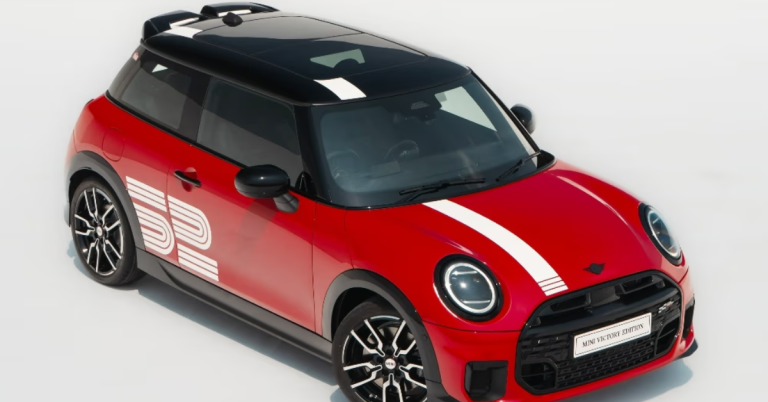
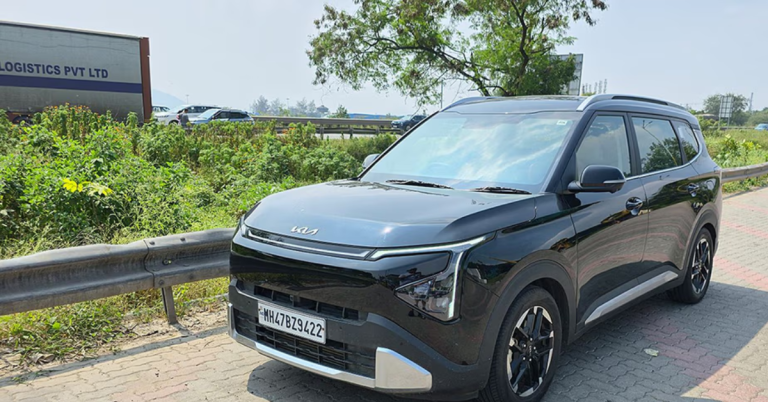
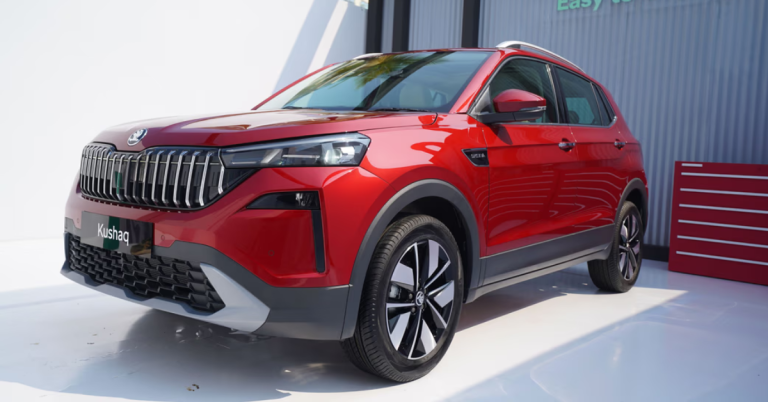
- An EV convoy composed of varied models (from premium to mainstream) attracted public attention and media coverage.
- The route, charging-stop logistics and tree-planting module provide a replicable blueprint for future drives and corporate mobility events.
- The collaboration across real-estate (Kalpataru), mobility/charging (ChargeZone) and media (car&bike) shows how cross-sector partnerships elevate impact.
The broader landscape: what this signals
Zero Emission Drive 2.0 sits within a larger global shift: major automakers and logistics firms are committing to zero-emission fleets and net-zero operations by 2040–2050.
In India, EV manufacturing, charging-ecosystem investment and policy incentives are accelerating. For instance, NITI Aayog has emphasised that taxpayer-funded subsidies should go to vehicles that produce zero tail-pipe emissions.
Thus, the initiative is not just marketing; it aligns with structural change. It helps raise public awareness, build infrastructure confidence and signal corporate readiness.
Challenges & what to watch
While the narrative is positive, the road to mass zero-emission mobility still faces hurdles:
- Charging infrastructure: Though ChargeZone and similar networks are growing, accessibility, reliability and speed of charging remain key. A drive is one thing; daily commuting is another.
- Grid and energy mix: An EV is only as clean as the electricity used to charge it. Until the grid is greener, the full benefit is muted.
- Affordability and scale: Premium showcases are inspiring, but broader adoption needs affordable EVs, financing models and service ecosystems.
- Behavioral change: Drivers must adapt to new routines: planning charging stops, adjusting habits, accepting new norms.
Zero Emission Drive 2.0 helps mitigate these by showing that the drive experience can be seamless, joyful and responsible.
Why you should care (especially in India)
If you’re living in a city like Ahmedabad (or any urban area in India), the relevance is tangible:
- Urban air pollution is severe; replacing internal-combustion vehicles with EVs improves local air quality.
- As Indian states and cities create EV-friendly policies (lower registration fees, subsidies, etc.), early adoption gives first-mover advantages.
- Building comfort with EVs today means better preparedness for future road trips, vehicle resale value and tech adoption curve.
Looking ahead: Beyond Drive 2.0
What might the next phase look like?
- A Drive 3.0 might involve wider participation (fleet taxis, two-wheelers, cargo EVs) not just premium cars.
- Charging networks might integrate solar/renewables to ensure that “zero emission” truly extends beyond the tailpipe.
- Community-based drives (schools, clubs, neighbourhoods) may take the concept local — not just a showcase but a movement.
Final thoughts
Zero Emission Drive 2.0 is more than a publicity event — it’s a micro-cosm of mobility’s transformation. In one imagined journey from township to weekend destination, we glimpse what zero-emission driving could look and feel like: quiet, clean, purposeful.
But more than that, it’s a signal: the age of internal-combustion dominance is receding; the charge is moving to a cleaner, connected, conscious way of moving people and goods.
About the Author