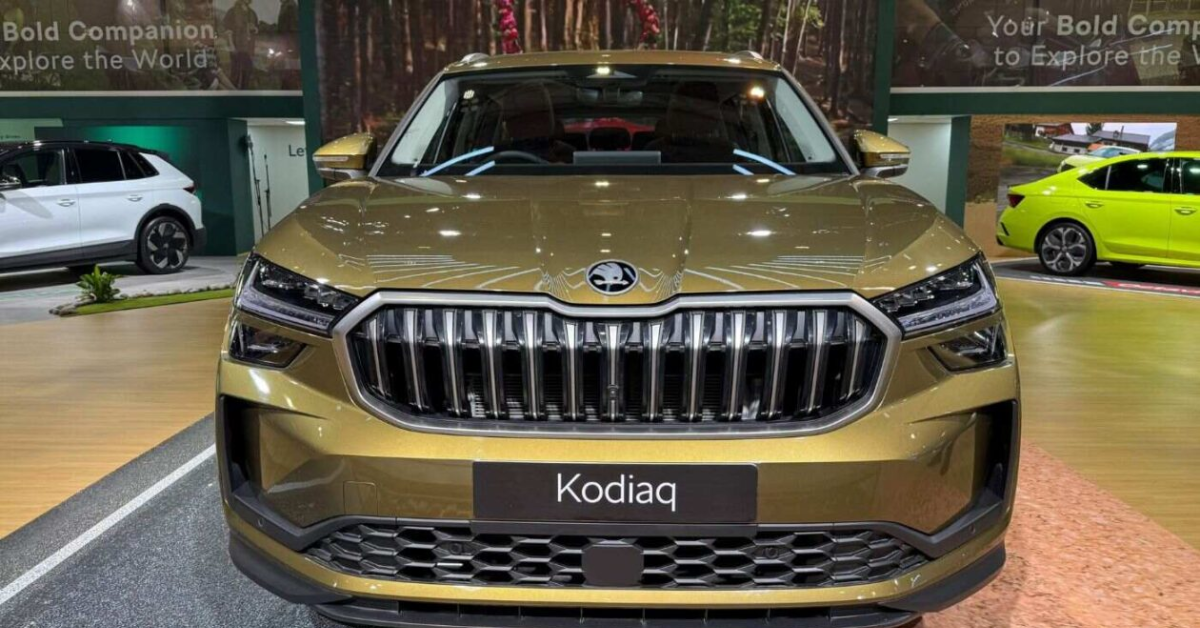
The Indian auto market is rapidly evolving, and two global automotive giants — Volkswagen India and Skoda Auto India — are gearing up for a multi-technology future with hybrid, CNG and electric vehicle (EV) options. This strategic push is driven by shifting emission regulations, rising fuel costs, and changing consumer preferences.
As India tightens emission norms and accelerates its electrification goals, both Volkswagen (VW) and Skoda are preparing to realign their portfolios with sustainable and efficient powertrain solutions. This blog unpacks their strategy, expected model lineups, technology direction, and what it means for Indian buyers in the coming years.
Why VW & Skoda Are Shifting Gears
India’s emission standards are becoming increasingly stringent, with the phasing in of Bharat Stage VI (BS-VI) and anticipated future norms that could include stricter carbon targets and hybrid/electric mandates. The rise of EV incentives, growing environmental awareness, and advancements in alternative powertrains have compelled global brands to rethink traditional petrol/diesel approaches.
For VW and Skoda, this transition isn’t just regulatory — it’s also market-driven. Competitors are rolling out hybrid and electric alternatives, and Indian buyers are showing higher interest in cleaner, efficient vehicles.
Multi-Pronged Powertrain Strategy
Unlike brands focused solely on BEVs (Battery Electric Vehicles), VW and Skoda are adopting a multi-technology strategy incorporating:
✔ Hybrid vehicles (strong & mild hybrid)
✔ CNG variants for fuel efficiency
✔ Pure electric vehicles (EVs)
This diversified approach allows them to cater to different segments and price points while complying with future emission targets.
Hybrid Vehicles — Bridging Efficiency & Performance
Hybrid technology serves as a middle path between conventional petrol/diesel and full electric vehicles.
Why Hybrid Makes Sense
- Improved fuel economy without range anxiety
- Reduced tailpipe emissions compared to petrol
- Quieter and smoother drive quality
- Hybrid variants often come with better resale value
For India, where long highway drives are common and charging infrastructure is still growing, hybrids offer a practical and transitional mobility option.
Expected VW & Skoda Hybrid Lineups
Both brands are likely to introduce hybrid variants on popular models such as:
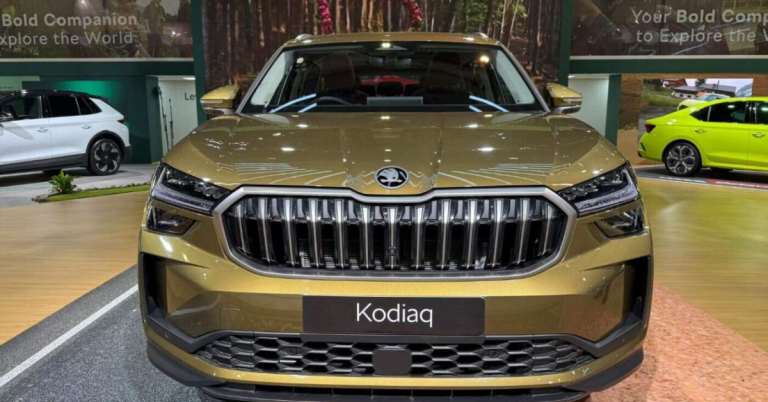
- Upcoming Skoda SUVs
- Future Volkswagen Tiguan / Taigun variants
- Possible hybrid iterations of premium sedans and crossovers
These hybrid models are expected to include both mild hybrid (12V/48V) options and strong/full hybrid systems, providing a layered technology mix.
CNG Options — Low Cost, High Value
CNG vehicles remain a compelling proposition for Indian buyers thanks to:
✔ Significantly lower running cost
✔ Reduced emissions compared to petrol
✔ Mature fueling infrastructure in many states
Though VW and Skoda don’t have CNG variants at present, they are expected to explore platform adaptations that support factory-fitted CNG systems on select models.
Benefits of VW & Skoda CNG Cars
- Appeal to fleet buyers and cost-focused customers
- Retain petrol convenience with lower per-km fuel cost
- Meet future emission norms with better onboard monitoring
CNG vehicles may initially be seen in value-oriented models or mid-sized SUVs where fuel cost differences are most impactful.
EV Strategy — Long Term & High-Tech
Electrification remains central to future automotive ecosystems worldwide, and VW & Skoda are aligning with this trend.
Global EV Experience
VW’s ID. Series and Skoda’s ENYAQ lineup demonstrate strong electric technology pedigrees in global markets. India could benefit from adapted versions of these proven platforms.
Localized EV Plans
In India, expectations include:
✔ Compact and mid-sized EVs suited to urban usage
✔ Shared platforms across VW & Skoda EV models
✔ Competitive pricing to drive adoption
✔ Charging ecosystem partnerships
EVs offer zero tailpipe emissions, minimal running costs, and enhanced digital features — attributes that increasingly attract urban buyers.
Regulatory Push & Industry Alignment
India’s regulatory roadmap is shaping automotive planning significantly.
Emission Compliance
- BS-VI is just the first step — future norms may penalize high emission levels
- CO₂ targets for passenger cars may tighten
- Hybrid and EV vehicles will likely earn regulatory credits
A diversified powertrain strategy helps VW & Skoda balance portfolios without resorting to phase-out of core models.
Consumer Benefits & Market Impact
The multi-powertrain strategy delivers several advantages:
For Buyers
✔ More choices across price and usage patterns
✔ Lower running costs with CNG and hybrid options
✔ Reduced environmental impact
✔ Better long-term value and regulatory alignment
For Dealers
✔ Wider target audience
✔ Balanced inventory management
✔ Increased service and accessory income streams
For Brand Positioning
VW & Skoda can market themselves as technology-forward European brands with local relevance — a compelling narrative in India’s competitive market.
Challenges in Execution
Despite the strategic advantages, challenges remain:
Cost Considerations
- Hybrid and EV production is cost-intensive
- Pricing must remain competitive
Infrastructure
- EV charging network is expanding but not ubiquitous
- CNG infrastructure varies by region
Consumer Education
- Hybrid and EV technology ownership learning curve exists
- Buyers weigh resale value and maintenance differences
Nevertheless, global experience and manufacturing expertise position VW & Skoda to navigate these hurdles effectively.
Expected Timeline & Rollout Strategy
Though official launch dates may vary by model and market segment, industry expectations suggest:
Hybrid & CNG Models:
Rollouts may begin between late 2026 and 2028, coinciding with tightening emission standards.
EV Models:
Adapted global EV platforms may launch between 2027 and 2030, subject to scale economics and localized production readiness.
VW & Skoda will likely align their launches with regulatory deadlines and market demand signals.
Competitive Landscape
Several global and local brands are already pursuing hybrid, CNG and EV strategies in India:
✔ Maruti Suzuki — strong CNG lineup, hybrid tech rollout
✔ Tata Motors — aggressive EV and hybrid plans
✔ Hyundai & Kia — hybrid & EV options expanding
✔ Honda — hybrid technology integration
Against this backdrop, VW & Skoda’s multi-technology approach allows them to remain competitive without relying on a single drivetrain strategy.
Future-Ready Portfolio Benefits
By committing to hybrid, CNG and EV alternatives, Volkswagen and Skoda can:
✔ Reduce dependency on fossil fuel engines
✔ Future-proof for more stringent emission regulations
✔ Cater to a wider variety of buyer priorities
✔ Build scalable platforms for global and local markets
This approach represents a strong blend of compliance, technology leadership and market relevance.
Final Takeaway
The Indian automotive sector is transforming fast — and VW & Skoda are positioning themselves smartly for this transition. By embracing hybrid, CNG and electric options, they will align with future emission norms, attract diverse buyer segments, and strengthen long-term brand value.
In a market where buyers increasingly demand choice, sustainability, and performance, this multi-powertrain strategy gives both brands the flexibility and depth required to thrive in the evolving automotive landscape.
Whether you’re an eco-conscious commuter, family buyer, or premium SUV enthusiast — the future lineup from VW & Skoda promises something built for your world.
If you’d like, I can also prepare:
✔ Expected model roadmap for VW & Skoda in India
✔ Powertrain tech comparison chart
✔ Segment-wise buyer guidance
✔ SEO FAQ section for higher traffic
Just let me know what you’d like next! 🚗⚡
About the Author