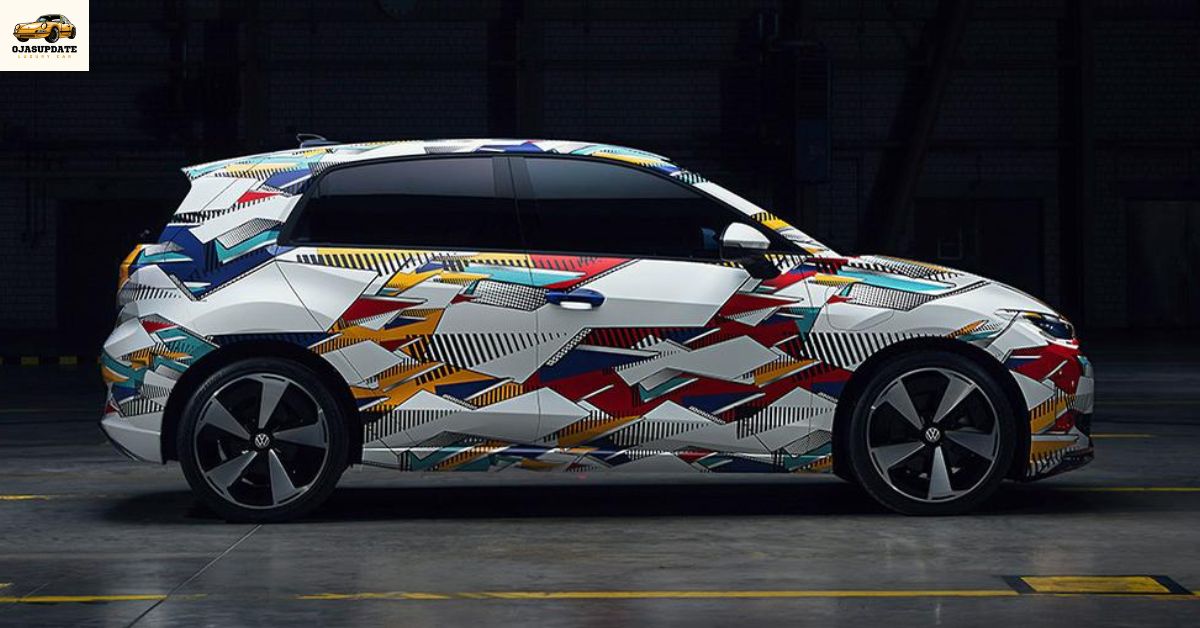
Few cars symbolize accessible mobility as strongly as the Volkswagen Polo. Since its debut in 1975, the Polo has been a global bestseller, beloved for its compact size, practicality, and affordability. Now, in 2026, Volkswagen is reinventing this icon for the electric age with the ID. Polo—a fully electric hatchback that blends tradition with innovation.
🚗 A World Premiere for a New Era
Volkswagen confirmed that the ID. Polo will debut in May 2026, following its near-production showcase at the IAA Mobility 2025 in Munich. This marks the first time the Polo nameplate transitions to a purely electric drivetrain, signaling Volkswagen’s commitment to electrifying its most popular models.
The ID. Polo is the first of four new compact EVs Volkswagen plans to launch from 2026 onwards. Positioned as an entry-level electric car, it aims to make EV ownership more accessible while retaining the Polo’s reputation for practicality.
⚡ Powertrain and Range
The ID. Polo is built on the MEB+ platform, Volkswagen’s next-generation modular electric architecture. This platform allows for flexibility in battery sizes and motor configurations.
- Power outputs: 85 kW (114 bhp), 99 kW (133 bhp), and 155 kW (208 bhp) variants.
- Battery options: Two pack sizes, catering to different budgets and driving needs.
- Range: Up to 450 km (WLTP) on a single charge.
- Charging: Faster charging enabled by MEB+ technology, though exact figures are yet to be confirmed.
This range makes the ID. Polo competitive with rivals like the Renault Zoe and Peugeot e-208, while offering more flexibility in performance.
🎨 Design and Space
Volkswagen describes the ID. Polo’s design language as “Pure Positive”, emphasizing clean lines and a modern, approachable aesthetic.
- Compact dimensions: True to Polo tradition, it remains city-friendly yet spacious.
- Interior space: Thanks to front-wheel drive and optimized packaging, the ID. Polo offers seating for five and up to 435 liters of luggage capacity.
- Digital cockpit: Expect a minimalist dashboard with Volkswagen’s latest infotainment and connectivity systems.
The design balances familiarity with futuristic cues, ensuring loyal Polo fans feel at home while embracing electrification.
🛡️ Technology and Safety
The ID. Polo will feature advanced driver-assistance systems typically reserved for higher-end models.
- Travel Assist: Includes automatic lane changing and traffic light detection.
- Park Assist: Simplifies urban driving and tight parking situations.
- Connectivity: Smartphone integration and over-the-air updates.
These features elevate the Polo into a new technological league, making it one of the most advanced small EVs on the market.
⚖️ Comparison: Polo vs. ID. Polo
| Feature | Polo (Petrol, 2025) | ID. Polo (Electric, 2026) |
|---|---|---|
| Power Output | 80–150 bhp | 114–208 bhp |
| Range | ~600 km (fuel) | Up to 450 km (WLTP) |
| Platform | MQB (ICE) | MEB+ (EV-first) |
| Luggage Capacity | ~351 liters | 435 liters |
| Tech Features | Basic driver aids | Travel Assist, Park Assist, OTA updates |
🌍 Market Position and Impact
The ID. Polo is more than just another EV—it’s Volkswagen’s attempt to democratize electric mobility. By offering multiple variants, competitive range, and advanced tech at an accessible price point, it could become the default choice for urban EV buyers.
- Europe: Expected to be a volume seller, especially in markets with strong EV incentives.
- Global reach: The Polo has always been popular in emerging markets; the ID. Polo could expand EV adoption in these regions.
- Competition: Rivals include the Renault Zoe, Peugeot e-208, and upcoming small EVs from Stellantis and Hyundai.
✨ Final Thoughts
The Volkswagen ID. Polo 2026 represents a bold reinvention of one of the world’s most beloved compact cars. With up to 450 km of range, multiple power options, advanced driver-assistance systems, and a fresh design language, it blends practicality with innovation.
For loyal Polo fans, the ID. Polo offers familiarity with a futuristic twist. For new buyers, it’s an affordable gateway into electric mobility. And for Volkswagen, it’s a statement: the electric future isn’t just for premium models—it’s for everyone.
About the Author