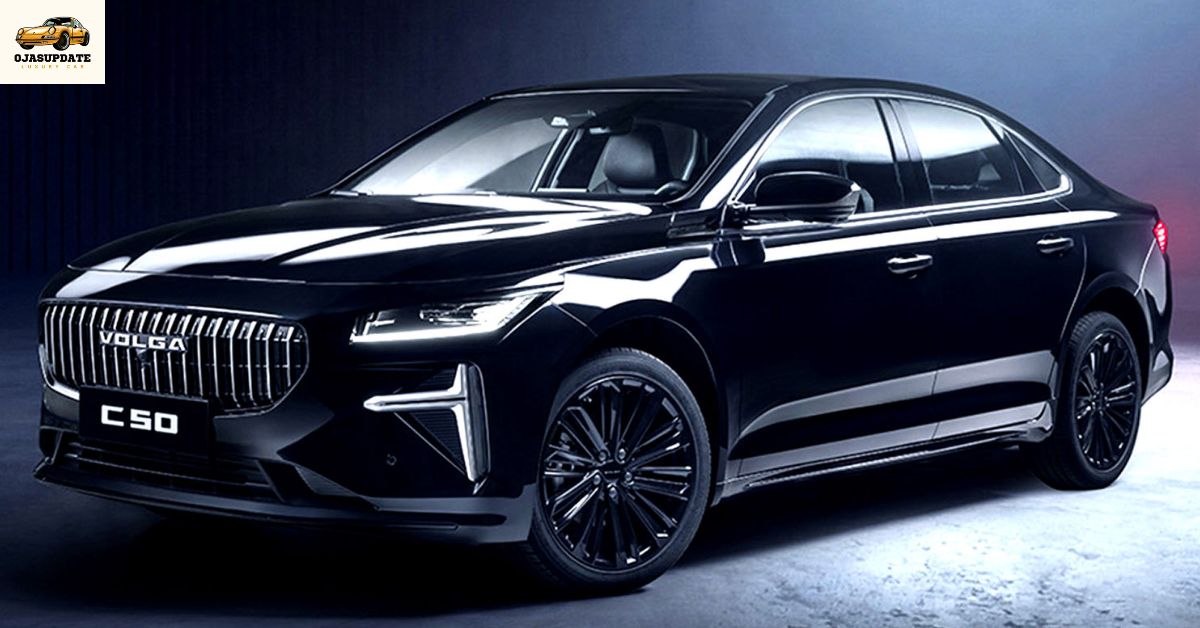
For decades, the Volga was more than just a car; it was a rolling status symbol of the Soviet Union. To own one—or better yet, to be driven in one—meant you had “arrived” within the ranks of the nomenklatura. Today, in 2026, the legendary brand is making a high-profile comeback. But as the first new models roll off the assembly lines in Nizhny Novgorod, the automotive world is asking: Is this a true Russian rebirth, or a clever exercise in global rebranding?
A Legacy of Prestige: The “Shark” and the “Baleen”
The Volga story began in 1956 with the GAZ-21, a car that replaced the aging Pobeda and instantly became a cultural icon. With its curvaceous body and high ground clearance, it was built to handle the demanding Russian terrain while offering a level of comfort previously reserved for government officials.
Over the years, the Volga evolved through several famous iterations:
- The GAZ-21 “Star” and “Shark”: Known for their distinctive grilles and a leaping deer hood ornament.
- The GAZ-24: The definitive Soviet sedan of the 1970s and 80s—boxy, rugged, and ubiquitous as both a taxi and a KGB cruiser.
- The GAZ-3102: An executive version that remained in production for nearly 30 years, embodying the “Era of Stagnation” and the eventual transition into the modern Russian state.
By the late 2000s, the brand had faded. Attempts at modernization, such as the Chrysler-based Volga Siber, failed to capture the market, and the line went silent in 2010.
The 2026 Revival: New Faces, New Platforms
The silence ended in 2024 when plans to revive the brand were officially unveiled at the “Digital Industry of Industrial Russia” forum. The new Volga project is housed in the same Nizhny Novgorod facilities that previously assembled Volkswagen and Skoda vehicles.
However, the 2026 lineup looks very different from the chrome-heavy sedans of the past. The new range focuses on the segments currently dominating the Russian market:
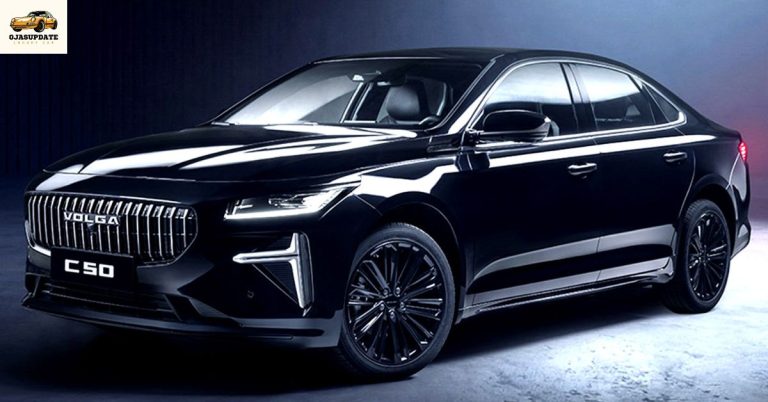
- Volga C50: A sleek business sedan (based on the Geely Preface / Changan Raeton Plus platform).
- Volga K40: A compact SUV designed for the urban driver.
- Volga K50: A flagship full-size crossover featuring a 2.0-liter turbo engine (238 hp) and all-wheel drive.
The New Volga Lineup at a Glance
| Model | Segment | Key Specs | Heritage Inspiration |
| C50 | D-Sedan | 188 hp / 7-speed DCT | The Executive 3102 |
| K40 | C-SUV | 1.5L Turbo | The Utility GAZ-24 |
| K50 | D-SUV | 238 hp / 8-speed Auto | The Modern Flagship |
The “Eastern Strategy”: Russian Soul, Chinese Bones
The most significant talking point of the revival is the partnership with Chinese automotive giants. To bridge the gap left by Western manufacturers, the new Volgas utilize platforms from companies like Geely and Changan. While the exterior styling features a unique “vertical slat” grille—a direct nod to the classic “Baleen” (Kitovy Us) grille of the 1960s—the underlying technology is a product of modern globalized engineering.
Critics argue that this is “badge engineering,” but proponents see it as a pragmatic necessity. By using proven platforms, the brand has been able to relaunch in record time with features like comprehensive winter packages (heated everything, from washer nozzles to rear seats) and advanced driver-assistance systems that the old GAZ factory could only have dreamed of.
“The goal isn’t just to build a car; it’s to reclaim the ‘Volga’ name for a new generation of corporate fleets and government officials who need a reliable, domestic-branded alternative to the Toyota Camry.”
A Future for the Thoroughbred?
The revival of the Volga represents more than just a new business venture; it is an attempt to tap into a deep well of national nostalgia. The project aims for a production capacity of 110,000 cars per year, with plans to gradually increase the localization of parts manufactured within Russia.
Will the new K50 crossover ever carry the same gravitas as a black GAZ-24 prowling the streets of Moscow? Perhaps not. But by blending the prestigious name of the past with the reliable tech of the present, the Volga has successfully transitioned from a museum piece back into a living, breathing part of the Russian landscape. For a brand that once symbolized the pinnacle of Soviet success, staying on the road is the ultimate victory.
About the Author