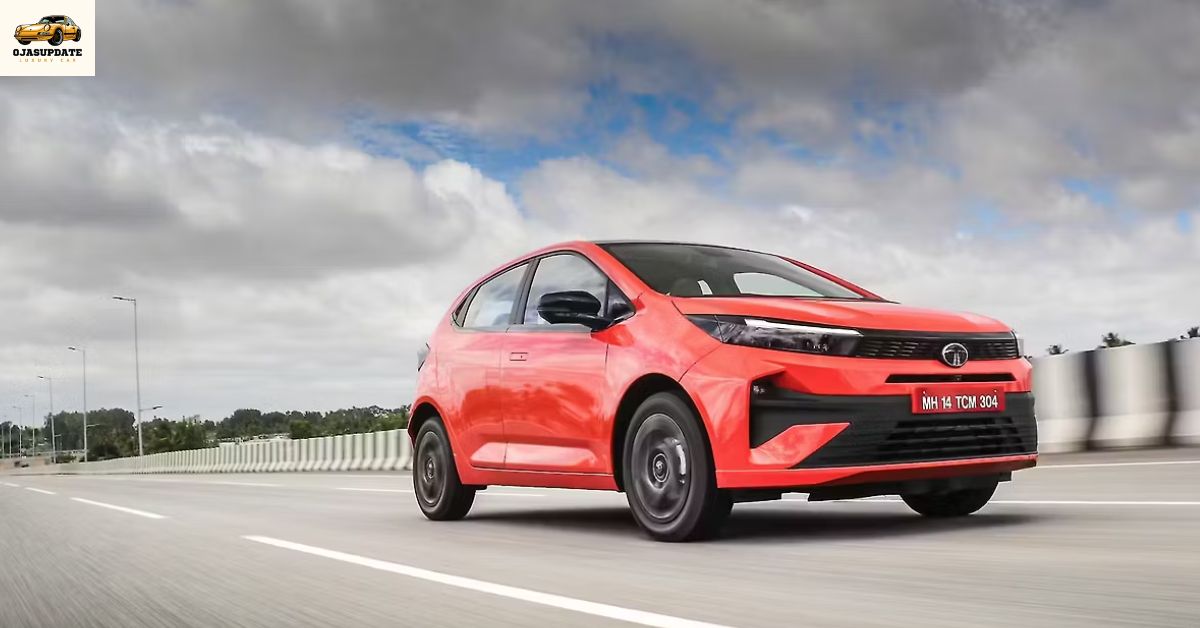
The Tata Altroz is already one of the most stylish, solid, and premium hatchbacks in India, and with the introduction of the DCA (Dual-Clutch Automatic) version, Tata entered the highly competitive automatic hatchback segment. Buyers looking for a smooth and convenient automatic option often compare mileage figures because fuel efficiency plays a major role in daily running costs.
While the ARAI-claimed mileage gives a theoretical benchmark, what most buyers really want to know is simple—what is the real-world mileage of the Tata Altroz Petrol DCA?
This blog provides a detailed 1000-word analysis based on city driving, highway runs, traffic conditions, and mixed usage to give you a complete understanding of its fuel efficiency.
⭐ Overview of the Tata Altroz Petrol DCA
Before diving into mileage numbers, it’s important to understand the engine-transmission combination.
Engine:
- 1.2L Revotron naturally aspirated petrol
- Power: 86 PS
- Torque: 113 Nm
Transmission:
- 6-speed DCA (Dual-Clutch Automatic)
- Designed for smoother shifts
- Based on wet-clutch technology to avoid heat issues found in dry-clutch systems
The combination aims to offer refinement, ease of driving, and long-term durability.
⭐ Real-World Mileage Test: City, Highway & Mixed Conditions
🚗 1. City Mileage Test (Heavy & Moderate Traffic)
The city is where most buyers use their Altroz daily, and fuel efficiency here truly defines real-world performance.
In moderate traffic with steady speeds between 20–40 km/h, the Altroz Petrol DCA manages:
👉 13–14 kmpl
However, in bumper-to-bumper traffic with constant stop-go situations, mileage drops to:
👉 10–12 kmpl
This is expected because naturally aspirated engines paired with automatic transmissions often consume more fuel in slow-moving traffic.
🛣 2. Highway Mileage Test
On open highways, the Altroz DCA performs significantly better due to:
- Constant speeds
- Fewer gear shifts
- Lower engine load
At cruise speeds of 80–90 km/h, the mileage reaches:
👉 18–19 kmpl
This is one of the best real-world highway mileages in the segment for a torque converter or DCT-type automatic hatchback.
🚗🛣 3. Mixed Driving Mileage
In a typical day involving both highway and city conditions, the Altroz Petrol DCA averages:
👉 14–16 kmpl
This is a realistic expectation for most owners.
⭐ Why Does Mileage Vary? Key Factors
Mileage can fluctuate based on several driving patterns and conditions. Some key reasons include:
1. Traffic Density
The more stop-and-go conditions, the harder the engine must work, reducing efficiency.
2. Accelerator Behavior
Sudden acceleration and braking reduce fuel economy.
3. Air Conditioning Usage
Running AC at full power—especially in summer—can lower mileage by 1–1.5 kmpl.
4. Tyre Pressure
Low tyre pressure increases rolling resistance and reduces mileage.
5. Driving Speed
Optimal fuel efficiency happens between 70–90 km/h.
Beyond 100–120 km/h, fuel economy drops.
6. Load and Passenger Count
Carrying full passengers or heavy luggage impacts consumption.
⭐ Fuel Efficiency Compared to Competitors
Let’s compare the Tata Altroz DCA with its rivals to understand where it stands.
1. Hyundai i20 1.2 IVT
- Real-world city: 11–13 kmpl
- Highway: 16–18 kmpl
2. Maruti Baleno AGS
- City: 15–17 kmpl
- Highway: 20–23 kmpl
(Maruti’s engines are known for fuel efficiency)
3. Toyota Glanza AMT
- City: 15–17 kmpl
- Highway: 20–22 kmpl
4. Honda Jazz CVT (discontinued)
- City: 12–14 kmpl
- Highway: 17–19 kmpl
Verdict:
The Altroz DCA performs better than the Hyundai i20 IVT, almost equal to the Jazz CVT, but not as fuel-efficient as the Baleno/Glanza AMT, which use lightweight engines and AMT gearboxes optimized for economy.
However, Altroz provides a much smoother and more premium driving experience compared to AMT rivals.
⭐ How to Improve Altroz DCA Mileage? Practical Tips
If you plan to buy or already own the Altroz DCA, these simple driving habits can significantly improve mileage:
1. Maintain Steady Speeds
Avoid frequent acceleration bursts.
2. Use Eco Mode (If Available)
Helps reduce throttle response and save fuel.
3. Keep Tyre Pressure Optimal
Recommended: 33–35 PSI
4. Smooth Braking and Acceleration
Allows the DCA to shift smoothly and efficiently.
5. Avoid Idling for Long Durations
Turn off the engine during long signal waits.
6. Service the Car on Time
Clean filters, fresh engine oil, and correct calibrations help efficiency.
7. Reduce Cabin Weight
Remove unnecessary items from the boot.
⭐ Driving Experience: Smooth, Refined & Comfortable
Real-world reviews highlight that the Altroz DCA offers:
✔ Extremely smooth gear shifts
The dual-clutch system ensures effortless transitions.
✔ Silent cabin experience
Excellent NVH levels ensure a premium feel.
✔ Stable and planted ride
Tata cars are known for solid bodies and stable high-speed manners.
✔ Best-in-segment handling
The Altroz’s steering feedback, suspension setup, and chassis balance make it a pleasure to drive on curves and highways.
Because of these qualities, many buyers prioritize driving comfort over maximum fuel efficiency—and the Altroz delivers on this front.
⭐ Is the Altroz DCA a Good Buy for Mileage-Conscious Buyers?
If your top priority is mileage, Maruti Baleno or Toyota Glanza AMT will give higher efficiency.
But if you want:
- A premium driving experience
- Smooth automatic performance
- Superior build quality
- Better safety
- Stylish design
Then the Altroz DCA offers a more balanced package.
The real-world mileage of 14–16 kmpl (mixed driving) is respectable for a DCA automatic with a naturally aspirated petrol engine.
⭐ Final Verdict: Honest Real-World Mileage & Practical Expectations
The Tata Altroz Petrol DCA delivers:
✔ 10–12 kmpl in the city
✔ 18–19 kmpl on highways
✔ 14–16 kmpl combined driving
These numbers reflect practical day-to-day usage by Indian drivers. Considering its premium feel, safety, robust build, and modern automatic gearbox, the Altroz DCA proves to be a strong contender in the hatchback segment.
If you want a smooth automatic hatchback that feels solid and delivers decent mileage, the Tata Altroz Petrol DCA is definitely worth considering.
About the Author