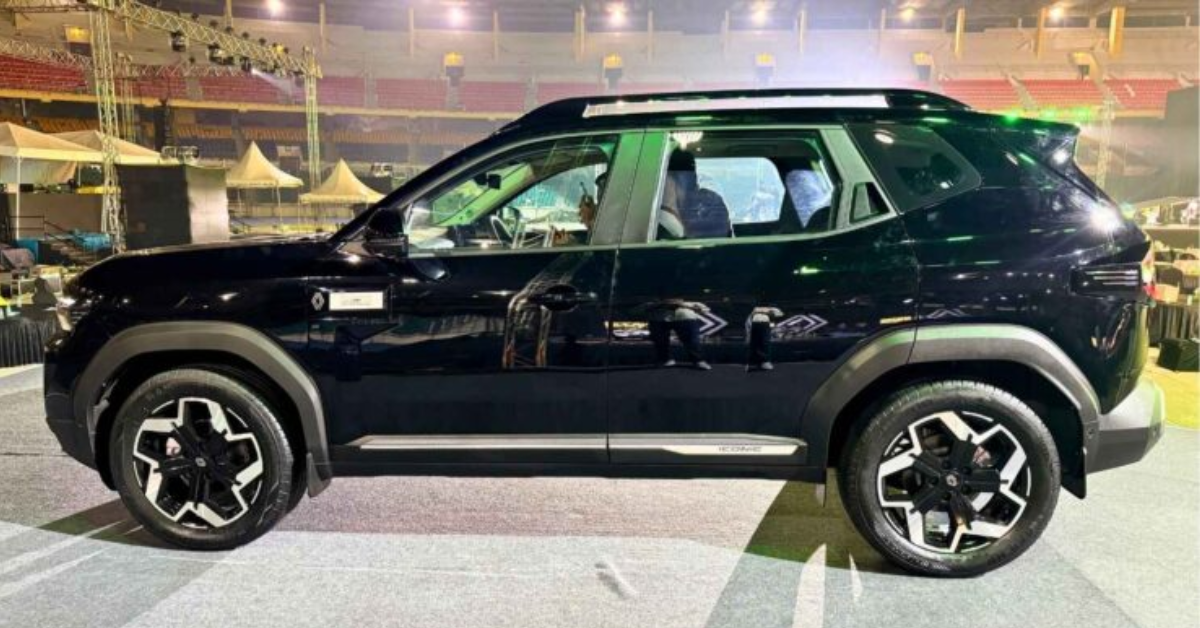
The Indian automotive market is witnessing rapid transformation, especially in the SUV segment. As consumer demand continues to shift toward sport utility vehicles, global manufacturers are expanding their product strategies to capture a larger market share. In this evolving landscape, Renault and Nissan are preparing a major comeback with plans to launch five new SUVs in India over the coming years.
Both automakers have already established a strong presence in the country through models like the Renault Kwid, Kiger, and Nissan Magnite. However, the upcoming SUV lineup signals a renewed commitment to the Indian market with modern designs, advanced technology, and competitive pricing.
This aggressive product strategy is expected to strengthen both brands and allow them to compete more effectively against leading manufacturers in the fast-growing SUV category.
Why the SUV Segment Is the Focus
Over the past decade, the Indian car market has seen a major shift from traditional sedans and hatchbacks to SUVs. Consumers today prefer vehicles that offer higher ground clearance, spacious interiors, and a commanding driving position.
SUVs also provide better road visibility and a sense of safety, which are important factors for many buyers. As a result, almost every major automaker is focusing heavily on SUV development.
Renault and Nissan recognize this trend and are aligning their future product plans accordingly. By introducing multiple SUVs across different price segments, both companies aim to capture a wider audience.
The upcoming models are expected to target both entry-level buyers and customers looking for premium features.
Shared Platforms and Strategic Collaboration
Renault and Nissan are part of a global alliance that allows them to share engineering resources, technology platforms, and manufacturing infrastructure. This collaboration helps reduce development costs while enabling faster product launches.
The upcoming SUVs will likely be developed using shared vehicle platforms, ensuring that both brands can maintain competitive pricing without compromising on features or safety standards.
Despite sharing technology, Renault and Nissan will differentiate their models through unique designs, interior layouts, and brand identity.
This strategy allows each brand to maintain its own personality while benefiting from joint development.
New Compact SUVs for Urban Buyers
One of the upcoming SUVs is expected to target the compact SUV segment, which is currently one of the most competitive and fastest-growing categories in India.
Compact SUVs are extremely popular among urban buyers because they offer the practicality of a hatchback combined with the style and road presence of a larger SUV.
These vehicles typically feature modern design elements such as LED lighting, bold front grilles, and stylish alloy wheels.
Inside the cabin, buyers can expect advanced infotainment systems, smartphone connectivity, and digital instrument displays. Safety features such as multiple airbags, electronic stability control, and parking cameras are also likely to be included.
By launching new compact SUVs, Renault and Nissan aim to strengthen their presence in a segment dominated by established competitors.
Mid-Size SUV Segment Expansion
Another important area of focus for Renault and Nissan will be the mid-size SUV segment, which has gained massive popularity in recent years.
Mid-size SUVs appeal to buyers who want more space, power, and premium features compared to smaller vehicles. These models are often preferred by families who require larger interiors and comfortable long-distance driving capability.
The upcoming mid-size SUVs from Renault and Nissan are expected to offer advanced technology features such as:
- Large touchscreen infotainment systems
- Digital driver displays
- Wireless smartphone integration
- Connected car technology
- Advanced driver assistance features
In addition, these SUVs are likely to offer strong engine performance and efficient fuel economy, making them suitable for both city driving and highway travel.
Design and Styling Expectations
Modern car buyers place significant importance on design, and both Renault and Nissan are known for creating distinctive vehicle styling.
The upcoming SUVs are expected to feature bold and futuristic design elements that help them stand out in a crowded marketplace.
Exterior highlights could include:
- Aggressive front fascia with signature lighting
- Sculpted body lines for a sporty look
- Large alloy wheels
- Roof rails for added practicality
- Stylish LED tail lamps
Interior design will likely focus on comfort and technology, with premium materials and ergonomic layouts to enhance the driving experience.
These improvements are intended to attract younger buyers who prioritize both style and functionality.
Advanced Technology and Connectivity
Technology has become a major selling point in modern vehicles, and the upcoming Renault and Nissan SUVs are expected to incorporate several advanced digital features.
Connected car technology allows drivers to access vehicle information through smartphone applications. This may include features such as remote locking, vehicle tracking, and real-time diagnostics.
Infotainment systems will likely support voice commands and wireless smartphone integration, providing seamless connectivity during travel.
In addition, higher variants of the upcoming SUVs could offer premium audio systems and digital instrument clusters.
These features are increasingly important for tech-savvy buyers who expect their vehicles to offer the same connectivity experience as their smartphones.
Focus on Safety Features
Safety standards in the Indian automotive industry have improved significantly in recent years. Consumers are now paying closer attention to crash protection and driver assistance technology when choosing a vehicle.
The upcoming SUVs from Renault and Nissan are expected to include a range of safety features designed to protect passengers and improve driving confidence.
Potential safety technologies may include:
- Multiple airbags
- Anti-lock braking system
- Electronic stability control
- Hill start assist
- Rear parking sensors and camera
Some higher-end models could also feature advanced driver assistance systems such as collision warning and lane assistance.
These safety upgrades will help the vehicles meet modern safety expectations and regulatory requirements.
Strengthening Market Presence
Renault and Nissan have experienced varying levels of success in the Indian market over the years. While models like the Magnite and Kiger have performed well, both brands aim to expand their market share through a stronger and more diverse product lineup.
The launch of five new SUVs will significantly increase their presence across multiple segments. This strategy will also help dealerships attract more customers and strengthen brand visibility.
In addition, expanding the SUV portfolio will allow the companies to compete directly with several established automakers that dominate the Indian market.
Future of Renault and Nissan in India
The planned launch of five new SUVs reflects a long-term commitment by Renault and Nissan to the Indian automotive market. As the country continues to grow as one of the largest automobile markets in the world, global manufacturers are investing heavily in new products and technologies.
By focusing on SUVs, advanced technology, and competitive pricing, Renault and Nissan aim to position themselves as strong players in the evolving market.
If these upcoming models successfully meet customer expectations, they could significantly improve the brands’ sales performance and market reputation.
Conclusion
The announcement of five upcoming SUVs from Renault and Nissan marks an important step in the brands’ strategy to expand their presence in India’s rapidly growing SUV segment.
With modern designs, advanced technology features, and a wide range of price points, these vehicles are expected to attract a diverse group of buyers. The collaboration between the two manufacturers will also help them deliver competitive products while maintaining efficient development costs.
As the Indian SUV market continues to grow, the arrival of these new models could bring fresh competition and more choices for consumers looking for stylish, feature-packed sport utility vehicles.
About the Author