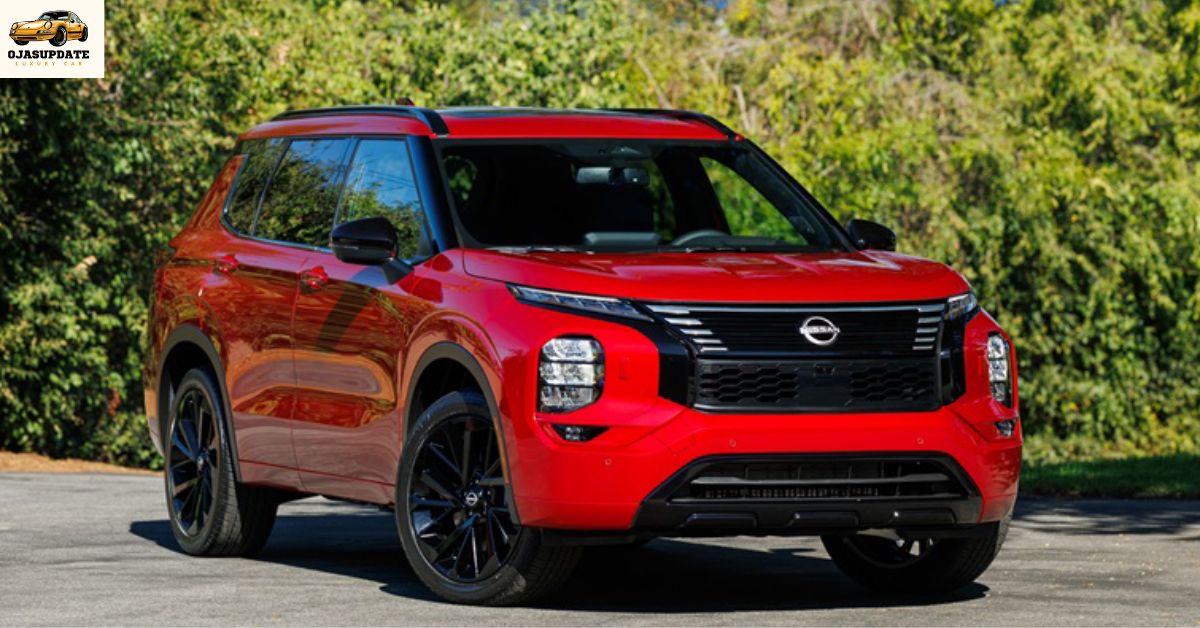
The automotive industry is racing toward electrification, and Nissan has finally taken a decisive step into the plug-in hybrid (PHEV) space. Known for pioneering mainstream EVs with the Nissan Leaf, the brand is now expanding its electrified portfolio with the 2026 Nissan Rogue Plug-in Hybrid. This marks Nissan’s first-ever PHEV offering in the U.S., blending electric convenience with gasoline-powered confidence.
A Long-Awaited Debut
The Rogue Plug-in Hybrid made its public debut at the AutoMobility LA Show in November 2025, signaling Nissan’s intent to compete in the growing PHEV SUV segment. While Nissan has long relied on the Leaf to represent its electrification strategy, the Rogue PHEV expands the brand’s reach to families who want the flexibility of both electric and gasoline power.
Powertrain and Performance
At the heart of the Rogue Plug-in Hybrid is a 2.4-liter gasoline engine paired with two electric motors and a 20-kWh lithium-ion battery pack. Together, the system produces 248 horsepower and 437 Nm of torque, delivered through an electric all-wheel-drive system.
Performance highlights include:
- 38 miles of all-electric range, ideal for daily errands and commutes.
- EPA-estimated 420 miles of total driving range, combining electric and gasoline power.
- Seamless blending of motor and engine output, ensuring smooth transitions between electric and hybrid modes.
This balance makes the Rogue PHEV versatile—capable of zero-emission city driving while offering long-distance confidence for road trips.
Design and Heritage
Here’s the twist: the Rogue Plug-in Hybrid is essentially a rebadged Mitsubishi Outlander PHEV, thanks to the Renault-Nissan-Mitsubishi Alliance. Built on the shared CMF-CD platform, the Rogue PHEV inherits Mitsubishi’s proven plug-in hybrid technology but wears Nissan’s styling cues.
Differences include:
- Exterior tweaks such as black and body-color trim to align with Nissan’s design language.
- Interior refinements tailored to Nissan’s customer base, with familiar infotainment and comfort features.
While some critics may call it “badge engineering,” the collaboration allows Nissan to quickly enter the PHEV market with a proven product.
Family-Friendly Features
The Rogue PHEV is designed with families in mind. It offers three rows of seating for up to seven passengers, making it one of the few PHEVs in its class with such capacity. Available in SL and Platinum trims, it comes equipped with:
- Advanced driver-assistance systems (ADAS).
- Nissan’s latest infotainment suite with smartphone integration.
- Practical cargo space, enhanced by flexible seating arrangements.
This combination of utility and efficiency positions the Rogue PHEV as a compelling option for households seeking both sustainability and practicality.
Market Position and Competition
The Rogue is already Nissan’s bestselling SUV in the U.S., so electrifying it makes strategic sense. The PHEV variant enters a competitive field that includes the Toyota RAV4 Prime, Hyundai Tucson Plug-in Hybrid, and of course, the Mitsubishi Outlander PHEV.
Nissan’s advantage lies in brand recognition and dealership reach. By offering a plug-in hybrid version of its most popular SUV, Nissan can attract buyers who may not be ready to go fully electric but want to reduce their carbon footprint.
Strategic Implications
The Rogue Plug-in Hybrid represents more than just a new model—it’s a strategic pivot for Nissan. Key implications include:
- Diversification: Expands Nissan’s electrified lineup beyond the Leaf and Ariya EV.
- Alliance leverage: Demonstrates the benefits of the Renault-Nissan-Mitsubishi partnership.
- Consumer appeal: Targets families who want eco-friendly options without sacrificing practicality.
Conclusion
The 2026 Nissan Rogue Plug-in Hybrid is a milestone for the brand, blending proven Mitsubishi PHEV technology with Nissan’s bestselling SUV platform. With 38 miles of electric range, 420 miles of total range, and seating for seven, it offers a versatile solution for modern families.
While some may critique its badge-engineered origins, the Rogue PHEV underscores Nissan’s commitment to electrification and its willingness to adapt quickly to market demands. As it arrives in dealerships in early 2026, the Rogue Plug-in Hybrid will likely play a pivotal role in Nissan’s journey toward a more sustainable future.
About the Author