The Brihanmumbai Municipal Corporation (BMC) has set October 30, 2025, as the final deadline for submitting bids for its ambitious smart parking system—a tech-driven initiative aimed at transforming how Mumbai parks its vehicles.
After multiple delays, the BMC is moving forward with one of its most anticipated urban mobility projects: a citywide smart parking system that promises to reduce congestion, streamline parking operations, and enhance the commuter experience. The project, structured under a public-private partnership (PPP) model, will cover both on-street and off-street parking locations across Mumbai.
🚗 What Is the Smart Parking System?
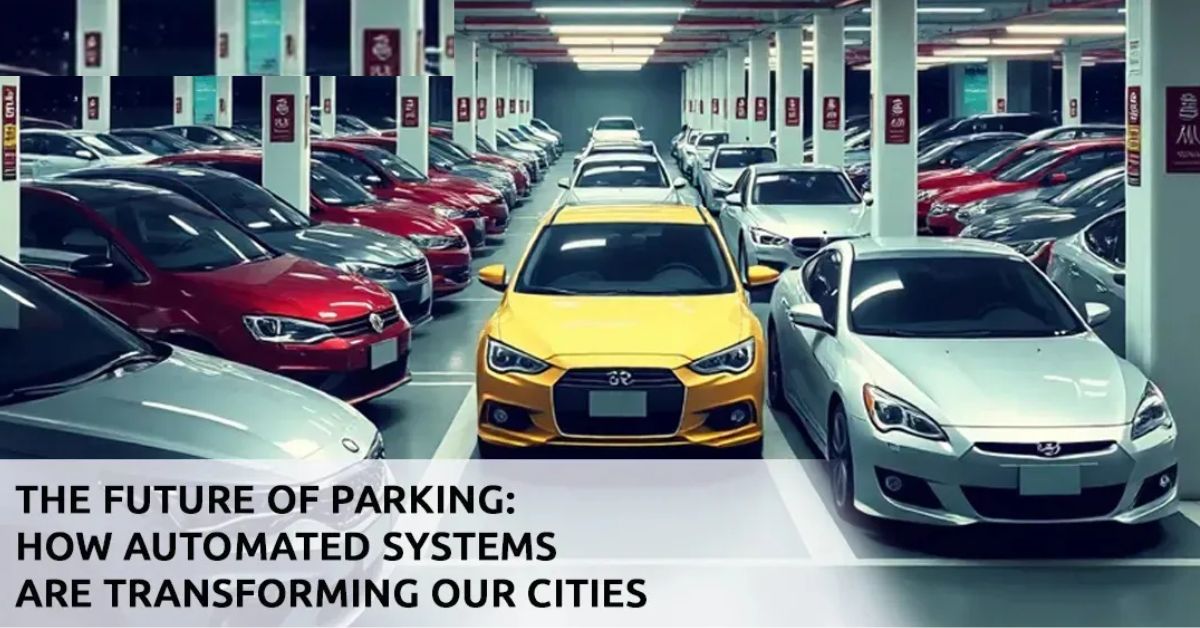
The smart parking system is designed to be a seamless, user-friendly, and technology-enabled network that allows motorists to locate, book, and pay for parking slots in real time. Using a combination of video analytics, magnetic sensors, and automated boom barriers, the system will monitor vehicle movement and slot availability across designated parking zones.
Motorists will be able to access parking information through mobile apps, web portals, and digital kiosks, making it easier to plan trips and avoid the frustration of circling for a spot. The system will also support advance booking, dynamic pricing, and real-time updates on slot occupancy.
🧠 How It Works
At the core of the system is a network of smart cameras and sensors that track vehicle entry and exit, detect vacant slots, and relay data to a centralized control center. This data is then processed using video analytics and AI algorithms to provide accurate, real-time information to users.
The system will also integrate with traffic management platforms, enabling authorities to monitor congestion patterns and adjust parking policies dynamically. For example, high-demand areas may see time-based restrictions or premium pricing to encourage turnover and reduce gridlock.
🏙️ Scope and Coverage
The BMC’s smart parking initiative will span hundreds of locations across Mumbai, including commercial hubs, residential zones, and transit points. The goal is to create a uniform parking experience across the city, replacing the current patchwork of manual and semi-automated systems.
The project will be rolled out in phases, starting with high-traffic areas like Churchgate, Dadar, Andheri, and Bandra, before expanding to suburban and peripheral zones. Each site will be equipped with automated entry/exit gates, digital signage, and surveillance systems to ensure security and transparency.
💼 Public-Private Partnership Model
Under the PPP model, private firms will be responsible for commissioning, operating, and maintaining the smart parking infrastructure. In return, they will receive a share of the revenue generated from parking fees, advertising, and value-added services.
This model allows the BMC to leverage private sector expertise and investment while retaining oversight and regulatory control. It also ensures that the system remains financially sustainable and scalable over time.
📉 Benefits for Mumbai
The smart parking system is expected to deliver multiple benefits:
- Reduced traffic congestion by minimizing the time spent searching for parking
- Lower emissions from idling vehicles
- Improved revenue collection through digital payments and transparent pricing
- Enhanced safety and security with surveillance and automated access
- Better urban planning through data-driven insights on parking demand
These outcomes align with Mumbai’s broader goals of becoming a smart city, improving livability, and promoting sustainable transport.
🔮 What’s Next?
With the bid submission deadline set for October 30, the BMC will soon begin evaluating proposals from technology providers, infrastructure firms, and mobility startups. The winning bidders will be announced by the end of the year, with implementation expected to begin in early 2026.
About the Author