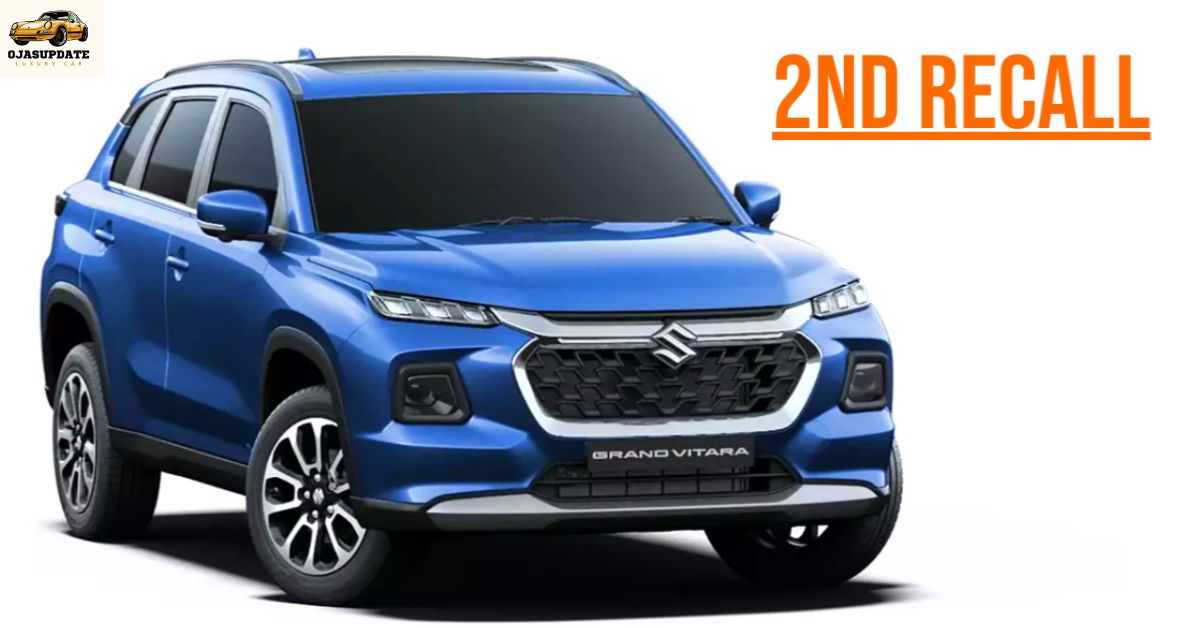
Maruti Suzuki, India’s largest carmaker, has announced a major recall affecting 39,506 units of its popular Grand Vitara SUV, manufactured between December 9, 2024, and April 29, 2025. The recall comes after the company identified a potential defect in the fuel-level indicator and warning light system, which could display incorrect fuel readings to drivers.
🚗 What Triggered the Recall?
The issue lies in the instrument cluster’s fuel gauge, which may inaccurately show the amount of fuel in the tank. While Maruti Suzuki clarified that the defect is unlikely to pose immediate safety risks, it could lead to drivers misjudging fuel levels. Imagine planning a long trip, only to discover that your SUV has far less fuel than indicated — a scenario that could cause inconvenience, unexpected breakdowns, or even hazardous situations if the vehicle stalls in unsafe conditions.
🔧 Company’s Response
Maruti Suzuki has taken swift action to address the problem:
- Free Inspection & Replacement: Dealers and service centers will contact affected owners to schedule complimentary part inspections and replacements.
- Customer Outreach: The company is proactively reaching out to customers to ensure transparency and minimize disruption.
- Regulatory Filing: Maruti Suzuki formally disclosed the recall in compliance with industry standards, reinforcing its commitment to customer safety.
📊 Scale of the Recall
This recall is significant not only in numbers but also in context:
- Largest Grand Vitara Recall Yet: Since its launch in 2022, the Grand Vitara has faced four recalls, but this is the biggest one to date, affecting nearly 40,000 units.
- Award-Winning SUV: The Grand Vitara was crowned ‘Car of the Year’ and ‘Midsize SUV of the Year’ in 2024, making this recall particularly noteworthy given its popularity.
- Market Impact: Following the announcement, Maruti Suzuki’s stock dipped slightly, closing at ₹15,678 on the BSE, down ₹76.95.
⚖️ Why Recalls Matter
Vehicle recalls are not uncommon in the automotive industry. They serve as a safety net, ensuring that manufacturers take responsibility for defects before they escalate into accidents or reputational damage. For Maruti Suzuki, this recall underscores:
- Commitment to Safety: By acting quickly, the company demonstrates that customer safety is non-negotiable.
- Brand Trust: Transparency in addressing issues helps maintain consumer confidence, especially for a brand that dominates India’s passenger car market.
- Learning Curve: Each recall provides insights into manufacturing and quality control processes, helping prevent similar issues in future models.
🌍 Broader Implications for the Auto Industry
Maruti Suzuki’s recall highlights broader trends in the automotive sector:
- Complex Electronics: Modern vehicles rely heavily on electronic systems, making them more vulnerable to sensor and software glitches.
- Customer Expectations: Today’s buyers expect not just performance but also reliability. Even minor defects can dent brand reputation.
- Regulatory Oversight: Governments and industry bodies are increasingly vigilant, ensuring recalls are handled promptly and transparently.
🛠️ What Should Owners Do?
If you own a Grand Vitara manufactured between December 2024 and April 2025, here’s what you should do:
- Check Notifications: Expect communication from Maruti Suzuki or your local dealer.
- Book Service Appointments: Schedule the free inspection and replacement at the earliest.
- Stay Informed: Follow updates on Maruti Suzuki’s official website or trusted automotive news outlets.
🚙 Looking Ahead
Despite this setback, the Grand Vitara remains a strong contender in India’s midsize SUV market. With over 3 lakh units sold since launch, its popularity is undeniable. Maruti Suzuki’s proactive recall strategy may actually strengthen customer trust in the long run, showing that the company prioritizes safety over short-term profits.
✍️ Conclusion
The recall of over 39,000 Grand Vitara SUVs is a reminder that even the most celebrated vehicles can face technical hiccups. What matters is how manufacturers respond — and in this case, Maruti Suzuki has acted decisively. For customers, the inconvenience of a recall is outweighed by the assurance that their vehicles are being made safer.
In the fast-evolving automotive landscape, recalls are not failures but opportunities — opportunities to reinforce safety, improve processes, and maintain the trust of millions of drivers who rely on their vehicles every day.
About the Author