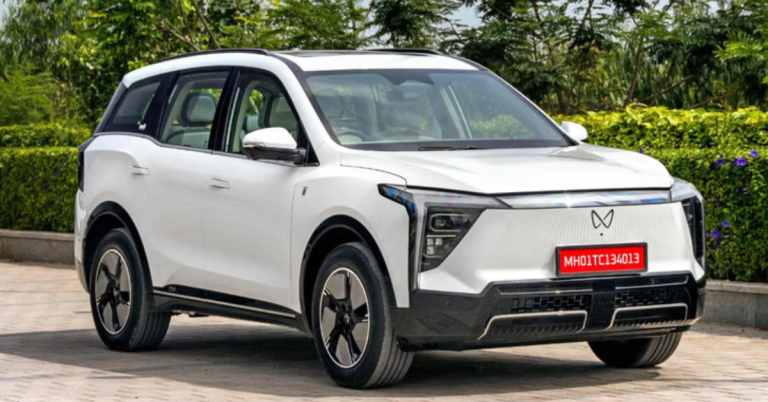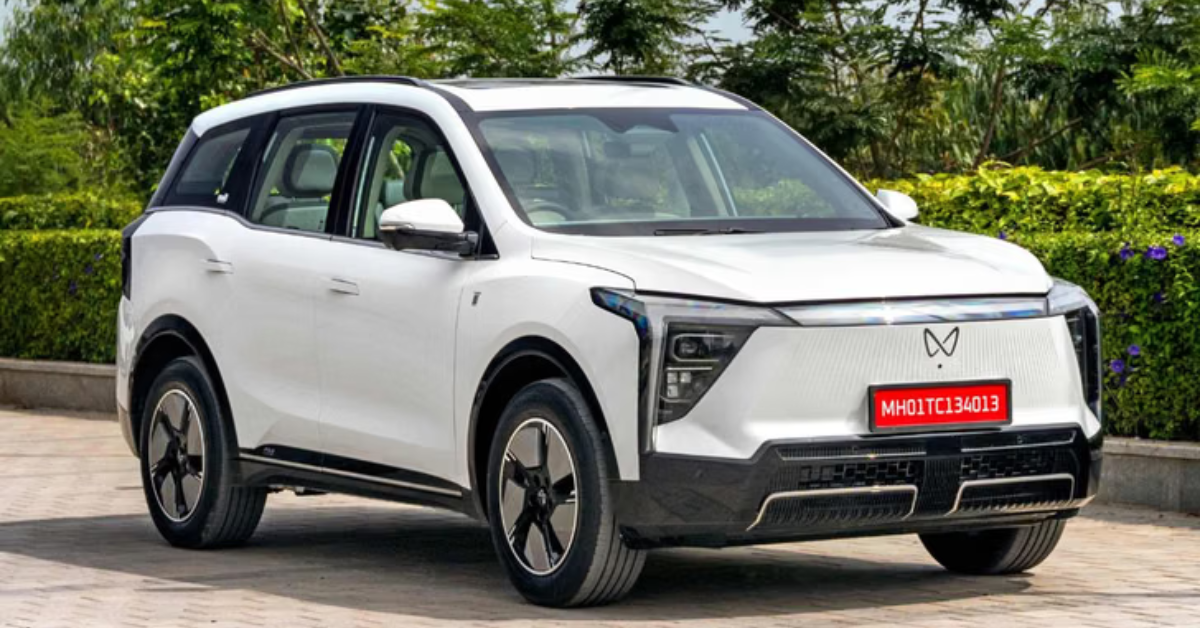
In a move that reinforces its commitment to continuous improvement and customer-centric innovation, Mahindra & Mahindra has introduced a new drive mode for the Mahindra XEV 9S. The update is specifically aimed at addressing suspension feedback concerns raised by owners and automotive reviewers.
Rather than waiting for a full hardware revision, Mahindra has implemented a software-based refinement that enhances ride comfort, suspension response, and overall driving dynamics — a strategy increasingly common among premium electric vehicles worldwide.
This development highlights the evolving nature of electric vehicle technology, where over-the-air updates and intelligent drive calibration are becoming essential tools for performance optimization.
Why the Update Was Needed
The Mahindra XEV 9S has been praised for its futuristic design, strong electric performance, and premium cabin experience. However, some early feedback indicated that:
- Suspension tuning felt slightly firm on uneven roads
- Low-speed ride comfort could be improved
- Feedback over sharp potholes felt pronounced
- Rear-seat comfort required refinement
While the vehicle’s structural integrity and handling were appreciated, Mahindra recognized the importance of refining ride quality to suit Indian road conditions — particularly in urban and semi-urban areas where surface inconsistencies are common.
The New Adaptive Drive Mode Explained
The newly introduced drive mode focuses on recalibrating how the vehicle’s suspension and power delivery behave under different road conditions.
Key enhancements include:
- Softer low-speed damping
- Improved shock absorption mapping
- Recalibrated throttle response
- Enhanced regenerative braking smoothness
- Better weight transfer control
By adjusting electronic parameters rather than mechanical components, Mahindra has optimized the driving experience without increasing ownership costs.
How Software Is Transforming Ride Quality
Modern electric SUVs like the XEV 9S rely heavily on integrated vehicle control systems. These systems manage:
- Motor torque delivery
- Regenerative braking intensity
- Steering response
- Suspension behavior (where electronically assisted)
- Traction control
Through advanced vehicle dynamics software, Mahindra engineers have fine-tuned how the suspension interacts with the road surface, reducing harshness while maintaining stability.
This kind of intelligent tuning reflects a broader shift in the premium EV segment toward software-defined vehicles.
What Drivers Can Expect
With the new drive mode activated, drivers may notice:
- Smoother ride over potholes
- Reduced cabin vibration
- Improved comfort during city commutes
- More balanced handling at moderate speeds
- Less abrupt regenerative braking feel
Importantly, the update does not compromise the XEV 9S’s sporty character. Instead, it creates a more versatile driving profile suitable for daily use.
Multiple Drive Modes Strategy
The Mahindra XEV 9S already offers multiple driving modes tailored for various conditions. These typically include:
- Eco Mode
- City Mode
- Sport Mode
The new adaptive mode adds another layer of customization, allowing drivers to choose comfort-focused dynamics when needed.
Such flexibility is particularly valuable in India, where driving conditions vary dramatically between highways, city streets, and rural roads.
Suspension Engineering in Electric SUVs
Electric SUVs face unique suspension challenges due to:
- Heavy battery packs
- Low center of gravity
- Instant torque delivery
- Increased curb weight
Balancing comfort and control requires precision engineering. The XEV 9S’s suspension system was already designed to manage battery weight distribution, but customer feedback prompted Mahindra to refine damping characteristics further.
This update demonstrates how EV manufacturers can continuously improve vehicles post-launch — something rarely possible in traditional internal combustion models.
Customer-Centric Innovation
By responding quickly to user feedback, Mahindra reinforces its premium brand positioning.
Key advantages of this approach:
- Increased customer trust
- Enhanced brand loyalty
- Higher resale value
- Stronger market perception
In a competitive electric SUV landscape, responsiveness can be a major differentiator.
Impact on Market Positioning
The Mahindra XEV 9S competes in a segment where buyers expect:
- Premium ride comfort
- Advanced driver assistance features
- High-performance electric motors
- Smart connectivity
- Refined NVH (Noise, Vibration, Harshness) levels
With this suspension-focused update, Mahindra strengthens its standing in the premium EV category.
Over-the-Air Update Potential
Although specific implementation details may vary, such drive mode enhancements often pave the way for broader software upgrade strategies, including:
- Performance tweaks
- Battery optimization
- Infotainment improvements
- Safety feature calibration
The ability to upgrade vehicles through software enhances long-term value and aligns with global EV trends.
Competitive Landscape
As electric SUVs gain popularity in India, competition is intensifying. Buyers are comparing:
- Ride quality
- Real-world range
- Charging convenience
- Safety ratings
- Feature-rich cabins
The XEV 9S’s improved suspension feedback could influence purchase decisions for comfort-focused families and urban professionals.
Performance & Comfort Balance
One of the biggest challenges in SUV engineering is balancing:
- Dynamic handling
- Passenger comfort
- Road grip
- Steering precision
The new adaptive drive mode seeks to create a middle ground — preserving confident highway manners while softening city ride impact.
What This Means for Existing Owners
Current XEV 9S owners benefit from:
- Enhanced ride refinement
- Improved daily usability
- No major mechanical modifications required
- Better long-term satisfaction
Such improvements often increase brand advocacy and positive ownership experiences.
The Bigger Picture: EV Evolution
The introduction of a suspension-focused drive mode reflects a larger transformation in automotive engineering:
- Vehicles are becoming software-driven
- Customer feedback influences real-time updates
- Performance tuning is dynamic rather than fixed
- Comfort can be digitally optimized
Mahindra’s move positions it alongside global EV innovators adopting similar strategies.
Sustainability & Efficiency
Interestingly, optimized suspension mapping can also contribute indirectly to:
- Improved energy efficiency
- Reduced tire wear
- Enhanced drivetrain longevity
Smoother ride dynamics often translate into more efficient energy utilization.
Final Verdict
The addition of a new adaptive drive mode to address suspension feedback in the Mahindra XEV 9S demonstrates proactive engineering and customer-focused innovation. Rather than ignoring early concerns, Mahindra has leveraged advanced vehicle software to enhance comfort without compromising performance.
In the rapidly evolving electric vehicle market, the ability to refine and improve products post-launch is becoming a hallmark of premium brands. This update strengthens the XEV 9S’s appeal and underscores Mahindra’s long-term commitment to delivering world-class electric mobility solutions.
As India accelerates toward an electric future, continuous upgrades like this will define which manufacturers truly understand the modern SUV buyer.
The Mahindra XEV 9S now stands not just as a powerful electric SUV — but as a smart, evolving machine designed to improve with time.
About the Author