The global automotive industry is undergoing a seismic shift. As climate change concerns intensify and governments push for stricter emission standards, the race to find sustainable alternatives to fossil fuels has accelerated. Among the most promising solutions is hydrogen engine innovation—a technology that could redefine how we power vehicles, ships, and even aircraft in the coming decades.
Why Hydrogen?
Hydrogen is the most abundant element in the universe, and when used as a fuel, it produces only water vapor as a byproduct. This makes it an attractive alternative to gasoline and diesel, which emit harmful greenhouse gases. Unlike battery-electric vehicles (BEVs), hydrogen-powered engines can refuel quickly and offer longer ranges, making them particularly appealing for heavy-duty applications such as trucks, buses, and industrial machinery.
Hydrogen Engines vs. Fuel Cells
It’s important to distinguish between hydrogen internal combustion engines (H2-ICEs) and hydrogen fuel cells.
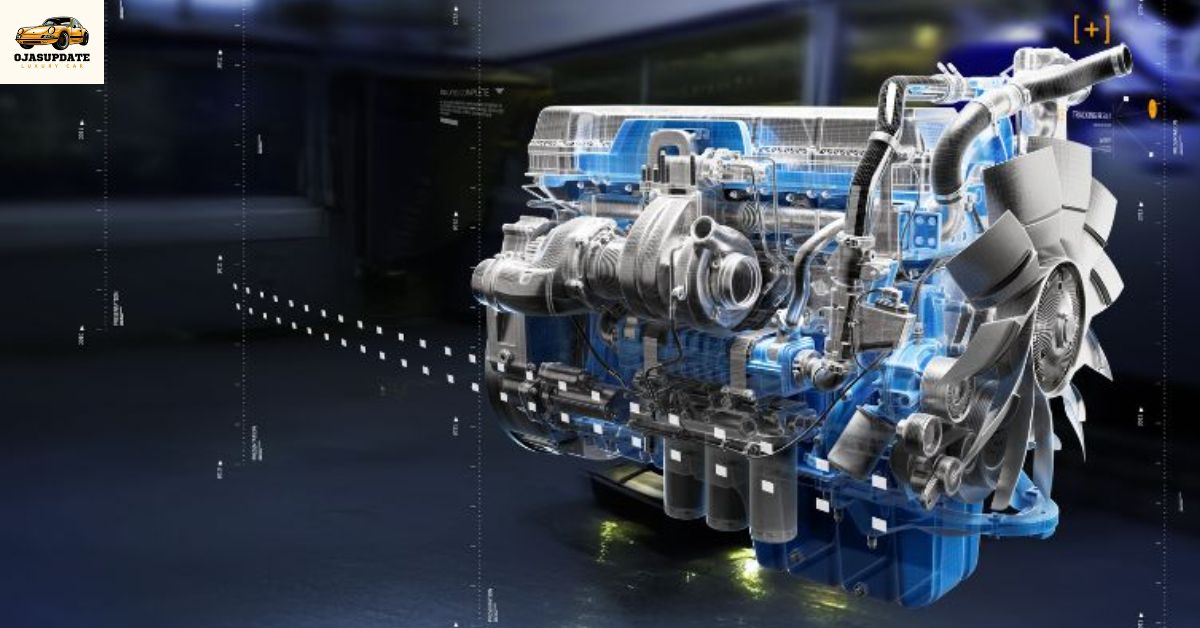
- Hydrogen ICEs: These engines burn hydrogen in a modified combustion chamber, similar to how gasoline engines work. They can leverage existing engine designs and manufacturing infrastructure, making them easier to adopt in the short term.
- Hydrogen Fuel Cells: These systems convert hydrogen into electricity through a chemical reaction, powering electric motors. Fuel cells are more efficient but require entirely new vehicle architectures.
Both approaches have their merits, but hydrogen ICEs are gaining traction as a transitional technology because they allow automakers to adapt current platforms with fewer changes.
Key Innovations in Hydrogen Engines
Recent breakthroughs are making hydrogen engines more viable:
- Advanced Injection Systems: Engineers are developing direct hydrogen injection technologies that improve combustion efficiency and reduce nitrogen oxide (NOx) emissions.
- Dual-Fuel Capabilities: Some prototypes can run on both hydrogen and conventional fuels, offering flexibility during the transition phase.
- Lightweight Storage Solutions: Innovations in composite materials are enabling safer, lighter hydrogen tanks that can withstand high pressures.
- Turbocharging and Hybridization: Pairing hydrogen engines with turbochargers or hybrid systems enhances performance while maintaining efficiency.
These innovations are addressing the traditional challenges of hydrogen engines, such as lower energy density and combustion stability.
Industry Leaders and Pilot Projects
Several automakers and industrial giants are investing heavily in hydrogen engine research:
- Toyota has tested hydrogen-powered race cars, proving the technology’s durability under extreme conditions.
- Cummins is developing hydrogen ICEs for heavy-duty trucks, targeting commercial fleets.
- BMW has experimented with hydrogen combustion engines alongside fuel cell prototypes.
- Airbus is exploring hydrogen propulsion for future aircraft, signaling potential applications beyond road transport.
These pilot projects are crucial in demonstrating hydrogen’s versatility and scalability.
Challenges Ahead
Despite its promise, hydrogen engine innovation faces hurdles:
- Infrastructure: Hydrogen refueling stations are still scarce, limiting widespread adoption.
- Cost: Producing green hydrogen (from renewable energy sources) remains expensive compared to fossil fuels.
- Efficiency: Hydrogen ICEs are less efficient than fuel cells, though they are easier to integrate into existing systems.
- Safety Concerns: Hydrogen is highly flammable, requiring robust safety protocols for storage and transport.
Addressing these challenges will require coordinated efforts between governments, industries, and research institutions.
Environmental Impact
Hydrogen engines can significantly reduce carbon emissions, especially when powered by green hydrogen. However, if hydrogen is produced from natural gas without carbon capture, the environmental benefits diminish. The key lies in scaling up renewable-powered electrolysis to ensure hydrogen remains a truly clean fuel.
The Road Ahead
Hydrogen engine innovation is not a silver bullet, but it is a critical piece of the clean mobility puzzle. In the near term, hydrogen ICEs could complement battery-electric vehicles by serving applications where fast refueling and long ranges are essential. Over time, as infrastructure expands and costs fall, hydrogen could become a mainstream fuel for multiple sectors.
The journey toward sustainable transportation will likely involve a mix of technologies—electric, hybrid, hydrogen, and even synthetic fuels. Yet hydrogen engines stand out for their ability to bridge the gap between today’s combustion systems and tomorrow’s zero-emission future.
Final Thoughts
The innovation in hydrogen engines represents a bold step toward decarbonizing mobility. By combining the familiarity of combustion technology with the sustainability of hydrogen fuel, these engines offer a practical pathway to cleaner transport. While challenges remain, the momentum is undeniable. As research advances and infrastructure grows, hydrogen engines could soon power not just cars, but trucks, ships, and planes—ushering in a new era of energy independence and environmental responsibility.
Hydrogen may well be the fuel that drives humanity into a cleaner, greener future.
About the Author