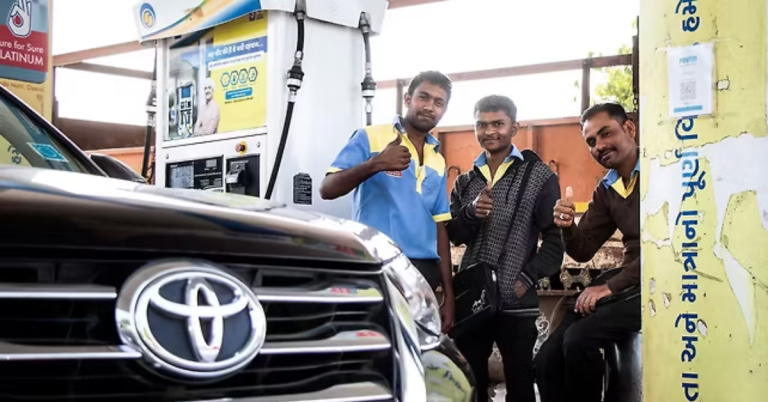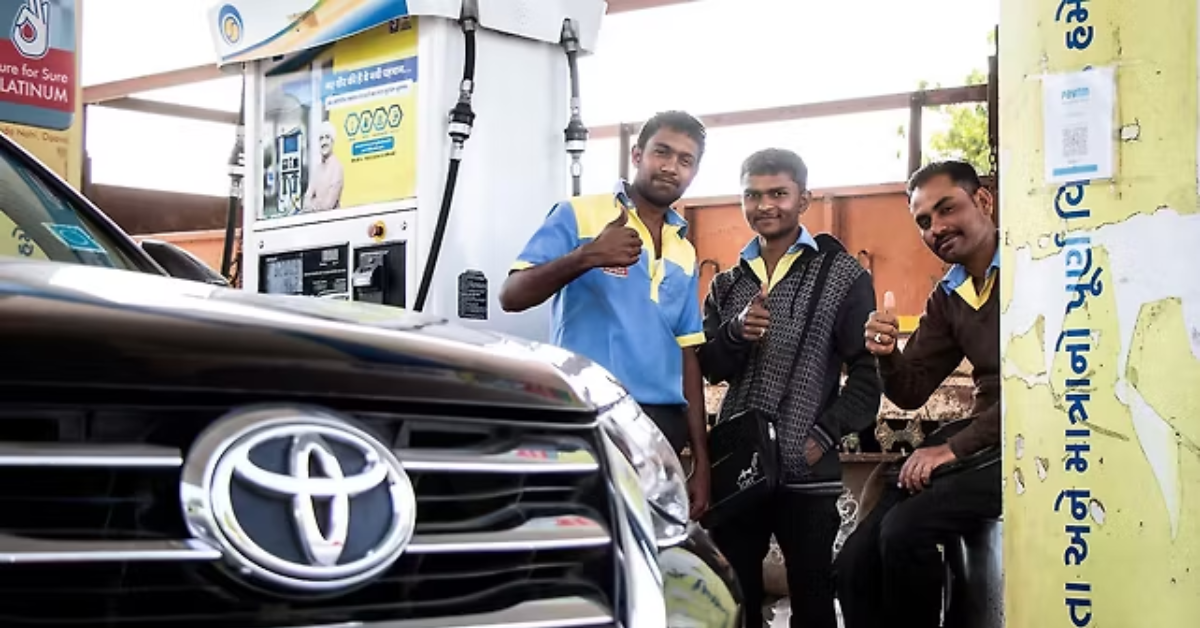
In a major relief for millions of citizens, the government has announced a reduction in excise duty on petrol and diesel. This move comes at a time when rising fuel prices were putting pressure on household budgets and increasing the cost of living. The decision is expected to have a widespread impact, not just on fuel prices but also on inflation, transportation costs, and the overall economy.
Let’s understand what this means for consumers, businesses, and the Indian economy.
What Is Excise Duty and Why It Matters
Excise duty is a tax imposed by the government on the production or sale of goods within the country. In the case of petrol and diesel, excise duty forms a significant portion of the final price you pay at the fuel station.
Fuel prices in India are made up of several components:
- Base price of crude oil
- Refining costs
- Central excise duty
- State VAT (Value Added Tax)
- Dealer commission
Among these, excise duty is controlled by the central government. So, when the government decides to cut this tax, it directly reduces the retail price of petrol and diesel.
Why Did the Government Reduce Excise Duty?
There are several key reasons behind this decision:
1. Rising Inflation Pressure
Fuel prices have a direct impact on inflation. When petrol and diesel become expensive, transportation costs rise, which leads to higher prices of goods and services. By reducing excise duty, the government aims to control inflation and stabilize the economy.
2. Relief to Middle-Class and Lower-Income Groups
High fuel prices affect daily life—from commuting costs to grocery bills. The tax cut is expected to provide immediate financial relief to households struggling with rising expenses.
3. Boost to Economic Growth
Lower fuel prices reduce operational costs for industries such as logistics, manufacturing, and agriculture. This can encourage business activity and support economic growth.
4. Global Crude Oil Price Fluctuations
International crude oil prices play a crucial role in determining domestic fuel prices. When global prices are volatile, governments often adjust taxes to balance the impact on consumers.
How Much Will Petrol and Diesel Prices Fall?
The actual reduction in fuel prices depends on the extent of the excise duty cut and the state taxes applied. However, consumers can expect a noticeable drop in per-litre prices.
For example:
- A reduction of ₹5–₹10 per litre can significantly lower monthly fuel expenses for regular commuters.
- Businesses relying on transportation can see a substantial decrease in operating costs.
Impact on Common People
1. Lower Daily Expenses
With reduced fuel prices, people will spend less on commuting. Whether you use a car, bike, or public transport, this change will positively impact your monthly budget.
2. Cheaper Goods and Services
Transportation costs are a key factor in pricing goods. When fuel becomes cheaper, the cost of transporting goods decreases, which can lead to lower prices of essential items like vegetables, fruits, and groceries.
3. Improved Consumer Spending
When people save money on fuel, they are more likely to spend on other goods and services. This increased spending can boost various sectors of the economy.
Impact on Businesses and Industries
1. Logistics and Transportation Sector
This sector benefits the most from lower fuel prices. Reduced costs mean better profit margins and more competitive pricing for services.
2. Agriculture Sector
Farmers depend heavily on diesel for irrigation and transportation. Lower diesel prices can reduce farming costs and increase profitability.
3. Manufacturing Industry
Fuel is an essential input for production and transportation. A price cut can lower overall production costs, making Indian goods more competitive.
Impact on Inflation
Fuel prices are closely linked to inflation. When petrol and diesel prices rise, inflation tends to increase. Conversely, a reduction in fuel prices can help bring inflation down.
This move is expected to:
- Reduce the cost of essential goods
- Stabilize market prices
- Improve purchasing power
In simple terms, the excise duty cut can act as a tool to control inflation and support economic stability.
Government Revenue vs Public Relief
While the tax cut provides relief to citizens, it also means reduced revenue for the government. Excise duty on fuel is a major source of income for the central government.
So why would the government take this step?
Because sometimes, stimulating the economy and providing relief to citizens is more important than maximizing revenue. Increased economic activity can eventually compensate for the loss in tax revenue.
Will States Also Reduce VAT?
Even after the central government reduces excise duty, state governments can further reduce fuel prices by lowering VAT.
If states follow this step:
- Fuel prices can drop even more
- Citizens can benefit from additional savings
However, this decision varies from state to state, depending on their financial situation.
Long-Term Impact on the Economy
1. Increased Economic Activity
Lower fuel prices can boost consumption and production, leading to higher economic growth.
2. Better Investment Environment
Businesses prefer stable and lower operational costs. This move can make India more attractive for investment.
3. Controlled Inflation
Keeping inflation in check is crucial for long-term economic stability, and fuel price control plays a major role in this.
Challenges and Risks
While the excise duty cut is beneficial, there are some challenges:
- Revenue Loss: Reduced tax income may impact government spending.
- Temporary Relief: If global crude oil prices rise again, fuel prices may increase despite tax cuts.
- Dependence on Imports: India imports a large portion of its crude oil, making it vulnerable to global price changes.
What Should Consumers Expect Next?
Consumers can expect:
- Immediate reduction in fuel prices
- Slight decrease in cost of goods over time
- Better control over monthly expenses
However, fuel prices may still fluctuate based on global market conditions.
Conclusion
The government’s decision to cut excise duty on petrol and diesel is a significant step towards providing relief to citizens and supporting economic stability. It not only reduces the financial burden on households but also helps businesses and industries operate more efficiently.
While there may be some short-term revenue challenges, the long-term benefits—such as controlled inflation, increased consumption, and economic growth—make this a strategic move.
For the common man, this means one simple thing: lower fuel bills and a little extra money saved every month.
About the Author