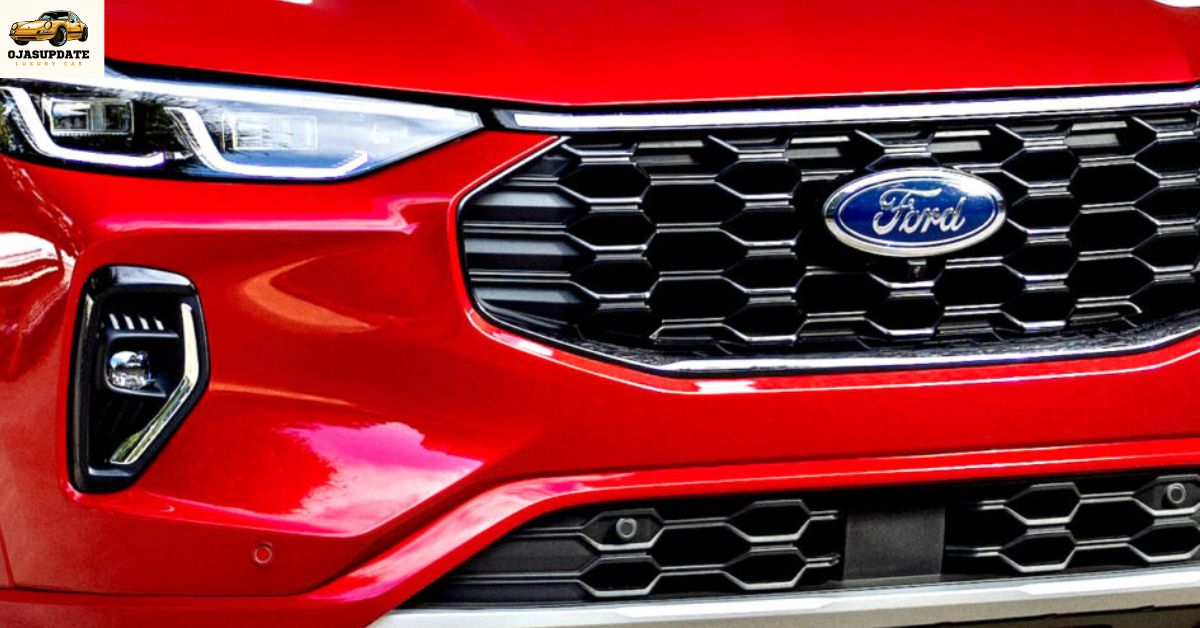
Ford has issued a major recall affecting more than 20,000 plug-in hybrid vehicles, raising serious questions about battery safety and reliability in the fast-growing electrified vehicle market. The recall impacts 2020–2024 Ford Escape PHEVs and 2021–2024 Lincoln Corsair PHEVs, both equipped with the 2.5-liter plug-in hybrid engine and high-voltage battery packs. According to the National Highway Traffic Safety Administration (NHTSA), these batteries may suffer from internal short-circuiting, which can cause sudden propulsion shutdowns or, in rare cases, thermal venting leading to fires.
⚡ What Went Wrong
The issue stems from Samsung SDI-supplied battery cells that may develop separator damage, leading to internal short circuits. Ford initially attempted to fix the problem in December 2024 with a software update to the Battery Energy Control Module (BECM), designed to detect anomalies and stop charging when risks were detected.
However, by August 2025, Ford began investigating new field reports of thermal venting in European-market Kuga PHEVs, revealing that the earlier fix was insufficient. As a result, Ford has now launched a second recall (25V789), essentially “recalling the recall”.
🏎️ Impact on Drivers
For owners, the risks are significant:
- Loss of motive power while driving increases crash risk.
- Thermal venting could result in smoke or fire, posing danger to passengers and surroundings.
- Interim instructions limit charging capacity until a permanent fix is available.
While steering and braking remain unaffected, the sudden loss of propulsion can be dangerous, especially at highway speeds.
🛋️ Ford’s Response
Ford has pledged to provide free repairs through dealerships. The company is working on a more robust solution beyond software updates, likely involving battery replacements or hardware modifications. In the meantime, affected owners are advised to follow interim charging restrictions and await further instructions.
This recall highlights the challenges automakers face as they transition to electrification. Battery safety is paramount, and even established players like Ford are learning hard lessons about quality control and supplier oversight.
🌍 Broader Implications
The Ford recall underscores a larger issue in the EV industry: battery reliability. As automakers race to electrify their fleets, ensuring the safety of high-voltage batteries is critical. Failures like these can erode consumer confidence and slow adoption of plug-in hybrids and EVs.
It also raises questions about supplier accountability. Samsung SDI, the battery supplier, has faced scrutiny before, and this incident may prompt automakers to diversify supply chains or invest more heavily in in-house battery development.
💰 Financial and Brand Impact
For Ford, the recall is costly—not just financially but reputationally. The Escape and Corsair PHEVs were key parts of Ford’s electrification strategy, and repeated recalls could dampen enthusiasm among buyers. Competitors like Toyota and Hyundai, who emphasize hybrid reliability, may benefit from Ford’s missteps.
📝 Final Thoughts
The 2025–2026 Ford hybrid recall is a stark reminder that electrification, while promising, comes with challenges. Ford’s willingness to act decisively is commendable, but the fact that this is a repeat recall shows how complex battery safety truly is.
For consumers, the takeaway is clear: stay informed, follow manufacturer instructions, and prioritize safety. For automakers, the lesson is even sharper—innovation must be matched with rigorous testing and supplier accountability.
About the Author