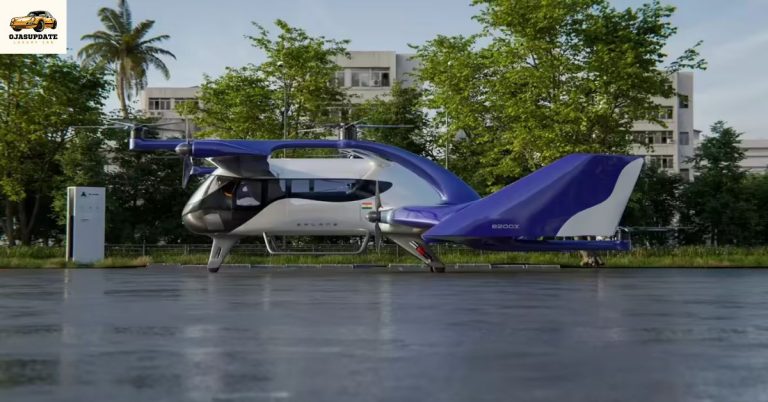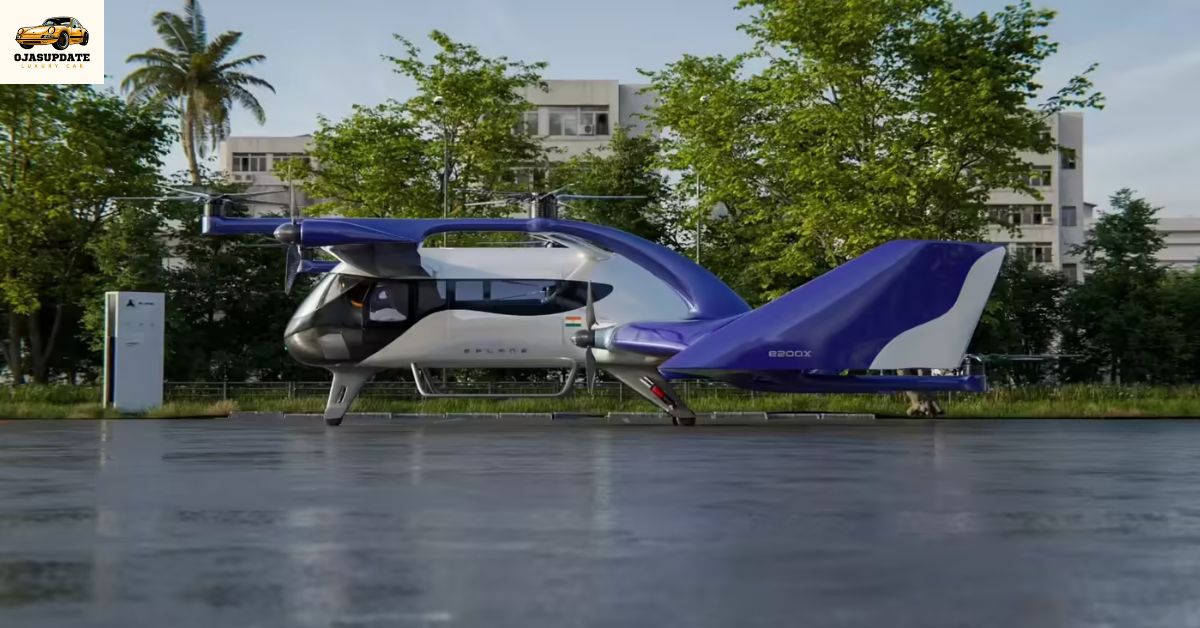
The ePlane Company has taken a decisive step toward commercial electric air mobility by creating a high‑fidelity digital twin of its e200x electric air taxi. Built using NVIDIA Omniverse libraries and supported by NVIDIA’s edge computing platforms, the digital twin is designed to simulate multi‑physics interactions, sensor responses, and flight scenarios—helping accelerate development, testing, and certification of the eVTOL.
What a Digital Twin Means for an Air Taxi Program
A digital twin is a virtual replica of a physical system that mirrors its behavior in real time or through high‑accuracy simulation. For an air taxi like the e200x, the twin models aerodynamics, propulsion, control systems, avionics, and sensor suites so engineers can run thousands of scenarios without the cost and risk of repeated flight tests. This approach shortens development cycles, identifies failure modes early, and enables iterative design changes with immediate feedback.
The e200x Partnership with NVIDIA and Technical Stack
ePlane’s collaboration with NVIDIA centers on Omniverse for multi‑physics digital reality and the NVIDIA IGX platform for onboard computing. Omniverse provides physics‑accurate simulation libraries that let engineers model complex aerodynamic interactions and sensor fusion in a unified environment. The IGX platform is intended to host critical onboard applications, from flight control logic to perception stacks, enabling a consistent software environment between simulation and the aircraft’s edge compute hardware. These choices position ePlane as one of the first regional OEMs to adopt a unified simulation‑to‑edge workflow for eVTOL development.
Practical Benefits for Development and Certification
Faster validation and safer testing — By simulating extreme weather, sensor failures, and urban flight corridors, the digital twin reduces the number of risky physical prototypes and flight hours needed to validate systems. Regulators increasingly expect evidence from high‑fidelity simulations as part of certification dossiers; a validated digital twin can provide traceable test cases and repeatable results that support safety claims.
Integrated systems testing — The twin enables end‑to‑end testing of avionics, flight controls, and autonomy stacks under realistic conditions. Engineers can tune control laws, verify redundancy strategies, and evaluate how sensors behave near buildings or in electromagnetic interference—scenarios that are costly or hazardous to reproduce in the real world.
Operational planning and training — Beyond engineering, the digital twin can be used for route planning, noise and emissions studies, and pilot or operator training. Simulated urban air mobility (UAM) corridors and vertiport interactions can be stress‑tested to refine procedures before the first commercial flights.
Strategic Implications for ePlane and the Indian eVTOL Ecosystem
Competitive advantage — Adopting Omniverse and IGX gives ePlane a modern, scalable simulation backbone that aligns virtual development with onboard compute. This reduces integration friction and helps translate simulation results into deployable software more quickly than fragmented toolchains.
Ecosystem readiness — India’s urban mobility landscape presents unique challenges—dense cities, varied weather, and complex airspace. A robust digital twin helps localize design choices and operational concepts to Indian conditions, which is crucial for both safety and public acceptance. The twin also supports collaboration with regulators, infrastructure providers, and service operators by producing shared, evidence‑based scenarios.
Challenges and What Comes Next
Validation and fidelity — A digital twin is only as useful as its fidelity and validation. ePlane will need to correlate simulated results with flight test data continuously to ensure the twin accurately reflects real‑world behavior. This requires disciplined data collection, sensor calibration, and iterative model updates.
Regulatory acceptance — While regulators are increasingly receptive to simulation evidence, formal acceptance criteria vary by jurisdiction. ePlane must work closely with certification authorities to demonstrate that Omniverse‑based simulations meet the rigor required for safety cases and type certification.
Operational integration — Translating simulation gains into operational reliability demands robust software engineering, cybersecurity measures for onboard systems, and a resilient supply chain for compute hardware like IGX. Ensuring that the simulated environment and the deployed stack remain synchronized will be an ongoing engineering priority.
Conclusion
ePlane’s digital twin for the e200x represents a meaningful step toward practical, certifiable electric air taxis. By leveraging NVIDIA Omniverse for multi‑physics simulation and IGX for edge compute, the company is building a development pipeline that shortens testing cycles, strengthens safety evidence, and readies the aircraft for real‑world operations. The twin won’t eliminate the need for flight testing or regulatory scrutiny, but it does provide a powerful, data‑driven foundation for bringing urban air mobility from concept to certified service.
About the Author