The Consumer Electronics Show (CES) has always been the stage where the future of technology takes its first bow. In January 2026, Las Vegas once again became the epicenter of innovation, with over 148,000 attendees exploring gadgets and systems that promise to reshape daily life. This year’s theme was clear: AI everywhere, robotics in every corner, and smarter devices for smarter living.
Robots Take Center Stage
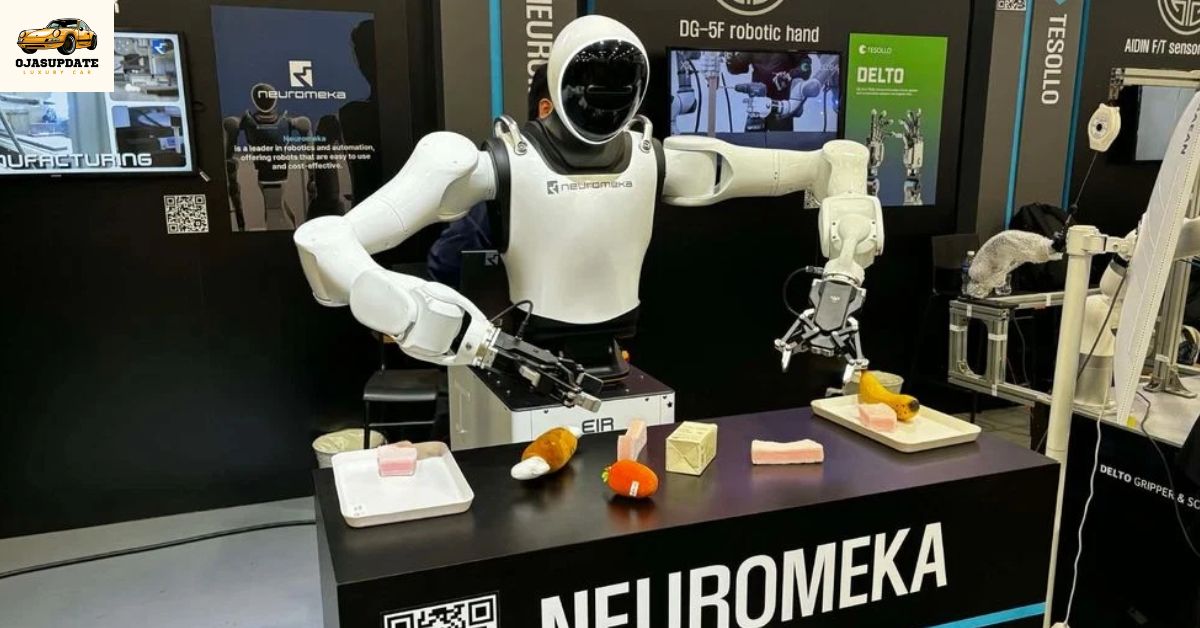
CES 2026 was dominated by robotics, with companies unveiling machines designed to make everyday tasks effortless.
- Laundry‑folding humanoids: Robots capable of folding clothes with precision, turning one of the most mundane chores into a futuristic convenience.
- Autonomous pods and robotaxis: Compact vehicles designed for urban mobility, offering self‑driving transport solutions for crowded cities.
- Emotional support robots: Companions equipped with AI to provide comfort and interaction, especially for elderly or isolated individuals.
These innovations highlight how robotics is moving beyond industrial applications into the heart of our homes and communities.
AI in the Kitchen and Beyond
Artificial intelligence was everywhere at CES 2026, but one standout was culinary.
- Nosh, the AI chef: A robo‑chef capable of cooking up to 500 dishes, learning preferences, and adjusting recipes in real time.
- Smart home assistants: Devices that integrate AI into energy management, security, and entertainment systems.
- AI‑powered wearables: Fitness trackers and health monitors that provide predictive insights rather than just raw data.
AI is no longer just about automation—it’s about personalization, adapting to individual lifestyles.
Computing Reinvented
CES 2026 also showcased radical rethinking of computing hardware.
- Keyboard with a built‑in PC: A compact keyboard housing an AMD Ryzen AI 300 chipset, integrated graphics, and up to 64GB RAM, capable of driving 4K panels.
- Crease‑free foldable displays: Screens that eliminate the visible crease, making foldable phones and laptops more practical.
- Next‑gen image sensors: Canon’s SPAD prototype with 156 dB dynamic range, far surpassing current market offerings.
These breakthroughs suggest a future where computing devices are smaller, more powerful, and seamlessly integrated into everyday objects.
Smarter Entertainment and Displays
Television and display technology continued to evolve.
- Micro RGB TVs: Offering unprecedented color accuracy and contrast.
- Ultra‑thin OLED wallpaper TVs: Panels so slim they blend into walls, redefining home aesthetics.
- Immersive gaming setups: AI‑enhanced graphics and peripherals designed to deliver hyper‑realistic experiences.
Entertainment is becoming more immersive, with hardware designed to disappear into the background while delivering stunning visuals.
Risks and Challenges
While CES 2026 dazzled with innovation, some challenges remain:
- Adoption hurdles: High costs may limit accessibility of advanced robotics and AI devices.
- Privacy concerns: AI‑powered assistants and emotional support robots raise questions about data security.
- Infrastructure gaps: Autonomous pods and robotaxis require robust urban infrastructure to succeed.
These issues highlight the importance of balancing innovation with practicality and ethics.
Conclusion
CES 2026 was a showcase of technology that works today, not just tomorrow. From laundry‑folding robots and AI chefs to crease‑free foldables and ultra‑thin TVs, the event underscored how innovation is moving from concept to execution.
The future painted at CES 2026 is one where robots handle chores, AI personalizes experiences, and computing devices shrink into everyday objects. It’s a vision of convenience, efficiency, and connectivity—one that promises to transform not just how we live, but how we feel about technology itself.
About the Author