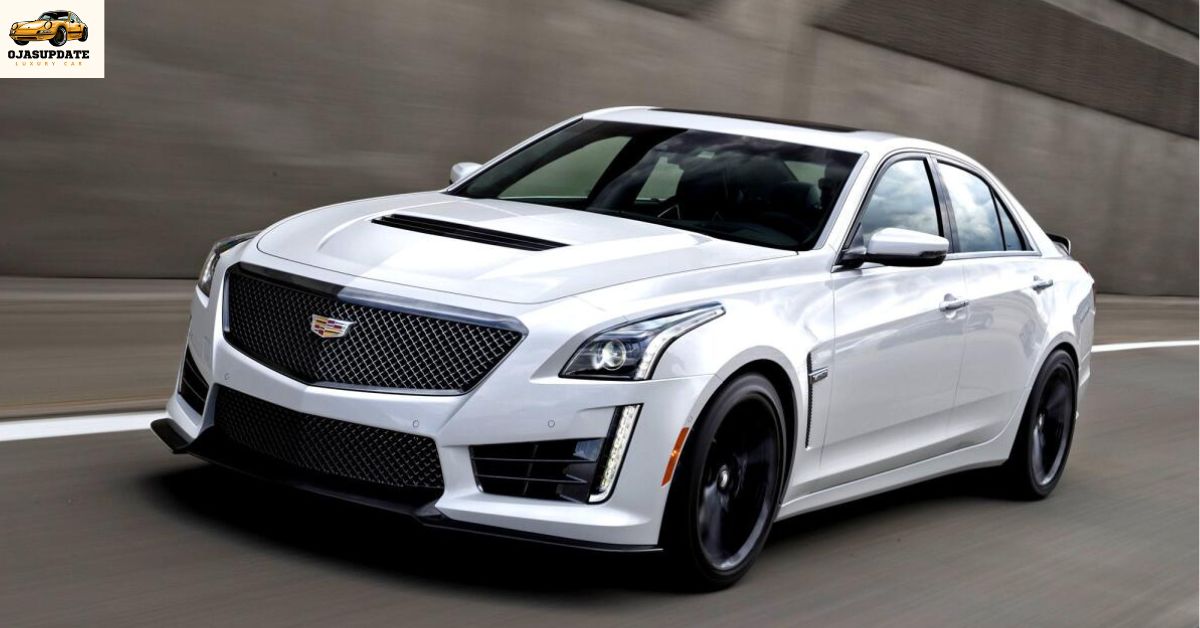
The Cadillac CTS was more than just a car—it was a statement. Produced from 2002 to 2019, this mid-size luxury sedan became a symbol of Cadillac’s modern renaissance, blending American craftsmanship with European-inspired performance. Let’s explore how the CTS carved its place in automotive history and why it remains a beloved icon even after its discontinuation.
🏁 A Bold Beginning
When Cadillac introduced the CTS in 2002 for the 2003 model year, it marked a turning point. The brand wanted to shed its reputation for building only large, comfort-focused sedans and instead compete directly with German rivals like BMW and Mercedes-Benz. The CTS debuted on the GM Sigma platform, offering sharp styling, rear-wheel drive, and a sportier driving experience.
Its angular design, nicknamed “Art and Science,” was a radical departure from Cadillac’s past. The bold lines, vertical headlights, and distinctive grille gave the CTS a futuristic look that stood out on the road.
⚙️ Generations of Innovation
The CTS evolved across three generations:
- First Generation (2003–2007): Introduced the world to Cadillac’s new design language. It featured V6 engines and, later, the high-performance CTS-V, which packed a Corvette-sourced V8.
- Second Generation (2008–2014): Expanded into coupe and wagon body styles, offering more versatility. The CTS-V from this era became legendary, boasting a supercharged 6.2L V8 with over 550 horsepower.
- Third Generation (2014–2019): Moved to the GM Alpha platform, delivering refined handling and advanced technology. This generation emphasized luxury with premium interiors, while the CTS-V pushed performance boundaries with a 640-horsepower engine.
🛋️ Luxury Meets Performance
The CTS wasn’t just about speed—it was about balance. Inside, Cadillac offered premium leather seating, wood trim, and advanced infotainment systems. Features like adaptive suspension, magnetic ride control, and driver-assist technologies made the CTS competitive with European sedans.
By the third generation, the CTS had matured into a true luxury contender, offering cutting-edge safety features, refined cabin materials, and a smooth yet responsive driving experience.
🚦 The CTS-V: A Muscle Car in Disguise
Perhaps the most celebrated variant was the CTS-V, Cadillac’s answer to high-performance sedans. With blistering acceleration, track-ready suspension, and aggressive styling, the CTS-V proved that Cadillac could build a car to rival the BMW M5 and Mercedes-AMG E63.
The CTS-V wasn’t just fast—it was practical. Available in sedan, coupe, and wagon forms, it gave enthusiasts a choice of body styles without sacrificing performance.
🌍 Global Recognition
The CTS helped Cadillac gain credibility worldwide. It showed that American luxury could compete on the global stage. The car’s success paved the way for Cadillac’s newer models, including the CT5, which replaced the CTS in 2019.
📉 The End of an Era
Despite its success, Cadillac discontinued the CTS in 2019, consolidating its lineup under the newer CT5. While the CT5 continues Cadillac’s mission, enthusiasts still look back fondly at the CTS as the car that redefined the brand.
✨ Legacy of the Cadillac CTS
The Cadillac CTS remains a milestone in American automotive history. It combined bold design, luxurious comfort, and thrilling performance in a way few cars had before. For nearly two decades, it proved that Cadillac could stand toe-to-toe with the best in the world.
Even today, used CTS models are highly sought after, especially the CTS-V, which has become a modern classic among performance enthusiasts.
Conclusion: The Cadillac CTS wasn’t just a car—it was Cadillac’s declaration of innovation, ambition, and performance. From its daring design to its track-ready CTS-V, it left a lasting impact on the luxury sedan market. Though it’s gone, its spirit lives on in Cadillac’s current lineup, reminding us of the boldness that once redefined American luxury.
About the Author