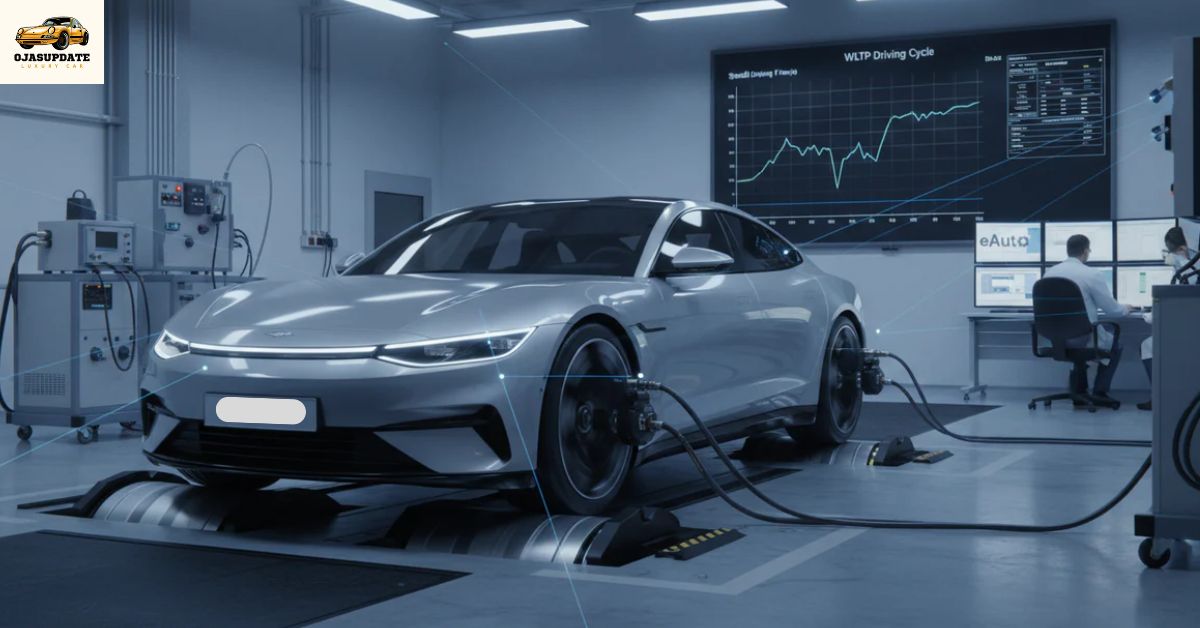
India’s automotive sector is set for a major transformation. Beginning April 1, 2027, the country will adopt the Worldwide Harmonised Light Vehicle Test Procedure (WLTP) for emission testing of Bharat Stage VI (BS-VI) vehicles in the M1 and M2 categories. This move replaces the current Modified Indian Driving Cycle (MIDC), aligning India’s testing framework with global standards and reflecting real-world driving conditions more accurately.
What is WLTP?
The WLTP cycle is a globally recognized testing protocol designed to measure vehicle emissions and fuel efficiency under conditions that closely simulate everyday driving. Unlike the MIDC, which is based on simplified laboratory conditions, WLTP incorporates:
- Dynamic Driving Profiles: Includes urban, suburban, and highway scenarios.
- Variable Speeds and Loads: Reflects acceleration, braking, and gear changes typical of real-world use.
- Longer Test Durations: Provides a more comprehensive assessment of emissions and efficiency.
By adopting WLTP, India will ensure that emission figures reported by manufacturers are more representative of actual on-road performance.
Scope of Implementation
The WLTP cycle will apply to BS-VI vehicles in the following categories:
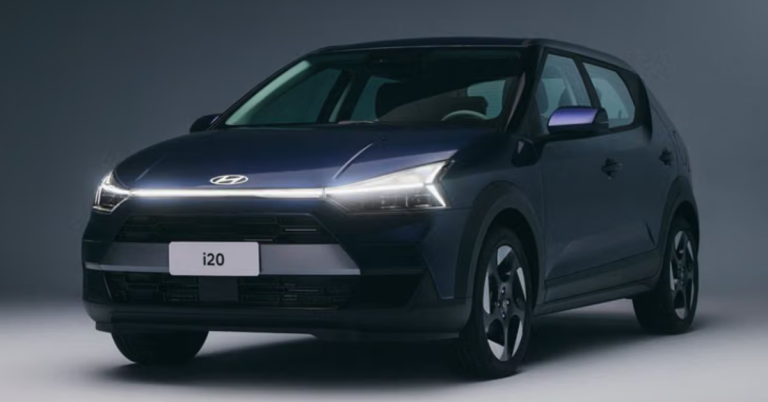
- M1: Passenger cars, hatchbacks, sedans, and SUVs with up to eight seats (excluding the driver).
- M2: Passenger vans and buses with a gross vehicle weight under 5 tonnes.
Testing will be conducted on a chassis dynamometer following procedures outlined in AIS-175, as amended by the Ministry of Road Transport and Highways (MoRTH).
It’s important to note that electric vehicles (EVs) will continue to follow the MIDC cycle for now, as the WLTP adoption currently applies only to internal combustion engine (ICE) vehicles.
Why This Matters
For Consumers
- Transparency: Buyers will get more realistic fuel economy figures, reducing the gap between lab results and actual driving experience.
- Trust: Greater confidence in manufacturer claims about efficiency and emissions.
For Automakers
- Global Alignment: Harmonization with international standards makes Indian vehicles more competitive in export markets.
- Innovation Push: Manufacturers will need to invest in cleaner technologies to meet stricter WLTP-based compliance.
For the Environment
- Reduced Emissions: More accurate testing ensures stricter enforcement of emission norms, contributing to cleaner air.
- Policy Synergy: Supports India’s broader climate commitments and transition toward sustainable mobility.
Challenges Ahead
While the WLTP adoption is a progressive step, it comes with challenges:
- Infrastructure Readiness: Testing facilities must be upgraded to handle WLTP protocols.
- Cost Implications: Automakers may face higher compliance costs, potentially impacting vehicle prices.
- Consumer Awareness: Educating buyers about the differences between MIDC and WLTP will be crucial to avoid confusion.
Global Context
India’s move mirrors similar transitions worldwide. The European Union, Japan, and several other markets have already adopted WLTP, making it the de facto global standard. By joining this framework, India strengthens its position in the international automotive ecosystem and signals its commitment to sustainable practices.
Conclusion
The adoption of the WLTP emission testing cycle from April 2027 marks a pivotal moment for India’s automotive industry. It bridges the gap between laboratory testing and real-world driving, ensuring greater transparency, environmental responsibility, and global competitiveness. While challenges remain, this shift underscores India’s determination to modernize its regulatory framework and accelerate the journey toward cleaner, greener mobility.
About the Author