In a move that could significantly reshape modern car design, China has mandated the installation of mechanical door handles on all new cars from 2027. This landmark regulation is expected to impact not only domestic Chinese automakers but also global car manufacturers that sell vehicles in the world’s largest automobile market.
Over the past decade, flush electronic door handles and hidden pop-out designs have become a popular trend, especially in electric vehicles and premium cars. While these designs look futuristic and improve aerodynamics, concerns over safety, emergency access, and system failures have prompted Chinese regulators to intervene.
This decision signals a major shift where safety is being prioritized over styling and technology, potentially influencing automotive regulations worldwide.
🚗 What Does China’s New Rule Say?
Starting in 2027, all new passenger vehicles sold in China must be equipped with mechanical door handles that can be operated manually without electrical power. This includes:
- Electric vehicles (EVs)
- Hybrid cars
- Petrol and diesel vehicles
- Smart and connected vehicles
The regulation ensures that doors can be opened even during power failure, accidents, fires, or system malfunctions, a scenario where electronic handles often fail.
⚠️ Why China Is Banning Fully Electronic Door Handles
The decision comes after growing concerns from safety experts, emergency responders, and consumers. Several real-world incidents highlighted the risks associated with electronic-only door mechanisms.
Key Safety Concerns:
- Doors failing to open after crashes
- Electrical system shutdowns in EVs
- Fire accidents where passengers were trapped
- Emergency responders unable to access cabins quickly
- Confusion among users during panic situations
Mechanical door handles provide instant, intuitive access, reducing the risk of injury or fatalities in emergencies.
🔌 The Rise and Risk of Flush Door Handles
Flush and pop-out door handles gained popularity due to:
- Improved aerodynamics
- Modern, minimalist design
- Slight improvements in driving range for EVs
- Premium brand appeal
However, these systems depend heavily on software, sensors, and electrical power. In situations like battery failure or severe collision damage, these systems may stop functioning altogether.
China’s regulation aims to eliminate this single point of failure.
🧠 How This Impacts Electric Vehicles (EVs)
Electric vehicles are the most affected by this rule. Many EV manufacturers rely on electronic handles integrated with smart entry systems. From 2027, these brands will need to redesign doors to include:
- A visible or hidden mechanical backup handle
- Clearly labeled emergency release mechanisms
- User-friendly operation without instructions
This could slightly increase vehicle weight and production cost but dramatically improves real-world safety.
🌍 Global Impact on the Auto Industry
China is the largest car market in the world, and any regulatory change there has global consequences. Automakers often design vehicles that meet Chinese standards to save costs across markets.
As a result:
- Global car designs may shift back to mechanical handles
- Future EVs could offer dual-handle systems
- Safety regulations in other countries may follow
- Flush-handle-only designs could gradually disappear
Manufacturers may adopt universal safety-first designs rather than region-specific solutions.
🛠️ Design Changes Automakers Must Make
To comply with the 2027 mandate, car manufacturers will need to rethink door architecture.
Expected changes include:
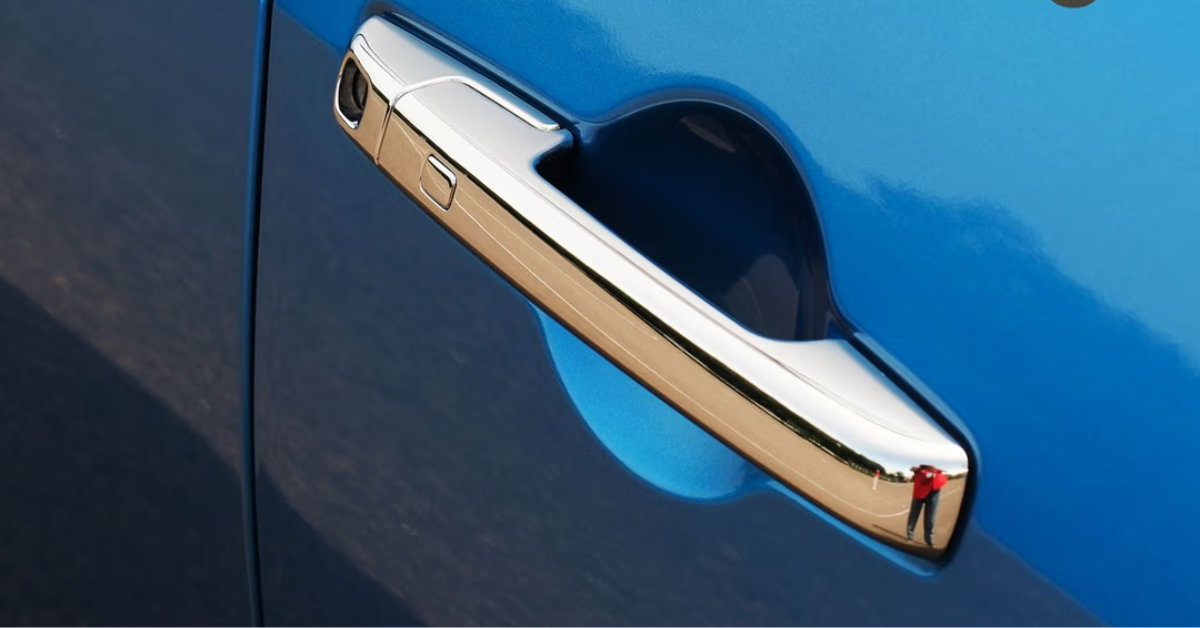
- Reintroduction of traditional pull-type handles
- Concealed mechanical handles within flush designs
- Mandatory manual override systems
- Better labeling and accessibility
- Simplified emergency operation instructions
Design teams will now need to balance aerodynamics, aesthetics, and safety compliance more carefully.
💰 Cost and Manufacturing Implications
Adding mechanical door handles is not extremely expensive, but across millions of vehicles, it does impact costs.
Possible outcomes:
- Slight increase in vehicle prices
- Marginal rise in manufacturing complexity
- Redesign costs for existing platforms
- Increased testing and certification expenses
However, regulators believe human safety outweighs cost concerns, especially in emergency scenarios.
👨🚒 Emergency Response & Public Safety Benefits
One of the biggest beneficiaries of this rule is emergency services.
Mechanical door handles allow:
- Faster access during rescue operations
- Reduced response time in accidents
- Easier cabin entry during fires or floods
- Lower risk of injury to trapped passengers
For consumers, this regulation offers peace of mind, especially for families and elderly users.
📉 Will This Kill Innovation?
Not necessarily. The rule does not ban electronic handles outright—it only mandates a mechanical backup. Automakers can still innovate in:
- Smart locking systems
- Touch-sensitive handles
- Automated opening features
- AI-based access controls
The key change is that technology can no longer replace basic mechanical safety.
🔮 Could Other Countries Follow China?
There is strong speculation that other markets may introduce similar regulations. Safety agencies globally are closely observing China’s decision.
Countries with high EV adoption may:
- Introduce backup-handle rules
- Revise vehicle safety norms
- Mandate clearer emergency exits
- Standardize rescue-friendly designs
This could lead to a global reset in automotive safety design philosophy.
✅ Final Verdict
China’s decision to mandate mechanical door handles from 2027 is a powerful reminder that technology must never compromise safety. While flush electronic handles symbolize modern automotive design, real-world incidents have exposed their limitations.
By enforcing this rule, China is setting a new benchmark for practical safety, emergency preparedness, and consumer protection. For automakers, this is a wake-up call to blend innovation with reliability.
As vehicles become smarter and more complex, sometimes the simplest solutions—like a mechanical door handle—can save lives.
About the Author