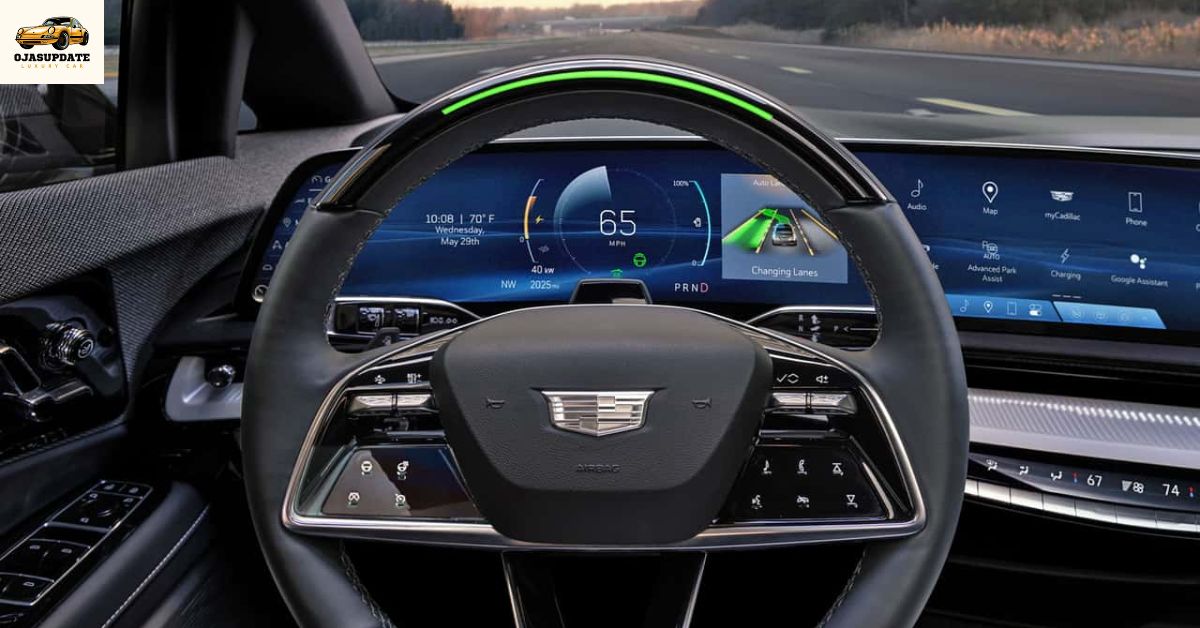
In January 2026, the Federal Trade Commission (FTC) finalized an order against General Motors (GM) and its subsidiary OnStar, prohibiting them from selling or sharing drivers’ location and driving behavior data for the next five years. This decision follows allegations that GM collected and sold sensitive information from millions of vehicles without properly informing customers or obtaining their consent.
The ruling is a watershed moment in the ongoing debate over data privacy in connected cars, setting a precedent for how automakers handle consumer information in the digital age.
📊 What Happened?
According to the FTC’s investigation:
- GM and OnStar allegedly collected precise geolocation data and driving behavior metrics (such as speed, braking, and mileage) every few seconds from millions of vehicles.
- This data was reportedly sold to consumer reporting agencies and data brokers, who used it for purposes like credit scoring and insurance risk assessments.
- Consumers were not adequately informed, nor did they provide affirmative consent for this level of surveillance.
The FTC’s order now bars GM from selling or sharing this data for five years, while also requiring the company to implement stricter privacy safeguards.
⚡ Why This Matters
The ruling highlights growing concerns about privacy in connected vehicles:
- Cars as data hubs: Modern vehicles collect vast amounts of information, from GPS locations to driving habits.
- Consumer trust: Drivers expect safety and convenience, not hidden surveillance.
- Regulatory precedent: This is one of the strongest actions taken by the FTC against an automaker, signaling tougher oversight ahead.
🆚 Comparison: GM vs. Other Automakers
| Automaker | Data Practices (Reported) | Regulatory Action | Consumer Concerns |
|---|---|---|---|
| GM (OnStar) | Sold geolocation & driving data without consent | FTC 5-year ban | Privacy violations |
| Tesla | Collects driving & autopilot data | No major FTC action yet | Transparency concerns |
| Ford | Offers connected services, collects telematics | Under scrutiny | Insurance data sharing |
| Toyota | Focused on navigation & safety data | No major bans | Limited consumer pushback |
This table shows that GM is currently the most high-profile automaker penalized for data misuse, though others may face scrutiny as regulators tighten oversight.
⚖️ Consumer Rights Under the Order
The FTC ruling gives consumers new protections:
- Opt-out options: Drivers can stop GM from collecting certain data.
- Data deletion requests: Consumers can demand that previously collected data be erased.
- Transparency requirements: GM must clearly disclose what data is collected and how it is used.
These measures aim to restore trust and empower consumers in an era where cars are increasingly connected to the internet.
🌍 Broader Implications
The ban has ripple effects across the automotive industry:
- Automakers worldwide will likely review their data practices to avoid similar penalties.
- Insurance companies and data brokers may lose access to valuable driving behavior data.
- Consumers may become more aware of how their vehicles track them, demanding stronger privacy protections.
This case could also inspire new legislation requiring automakers to obtain explicit consent before collecting or selling sensitive data.
🔮 Conclusion
The FTC’s ban on GM selling driving data is a landmark decision in consumer privacy. It underscores the risks of unchecked data collection in connected vehicles and sets a precedent for stricter regulation across the industry.
For drivers, the ruling is a reminder to stay vigilant about how their cars collect and use information. For automakers, it’s a wake-up call: privacy is no longer optional—it’s a fundamental expectation.
As connected cars become the norm, this case may be remembered as the moment regulators drew a clear line between innovation and exploitation.
About the Author