India’s automobile industry has long been recognized for its scale, efficiency, and affordability. But 2025 marked a turning point: Made-in-India cars reached record global destinations, cementing the country’s position as a key player in the international automotive market. Despite global economic headwinds, stricter emission norms, and rising tariffs, Indian manufacturers not only sustained but expanded their export footprint.
🌍 Export Milestone
- Total Exports (2025): 8,58,000 units
- Growth: 15% increase compared to 2024
- Key Destinations: Africa, Latin America, West Asia, and emerging European markets
This achievement underscores India’s growing reputation as a reliable manufacturing hub, capable of delivering vehicles that balance affordability, durability, and innovation.
🚗 Leading Exporters
Several automakers contributed to this record-breaking performance:
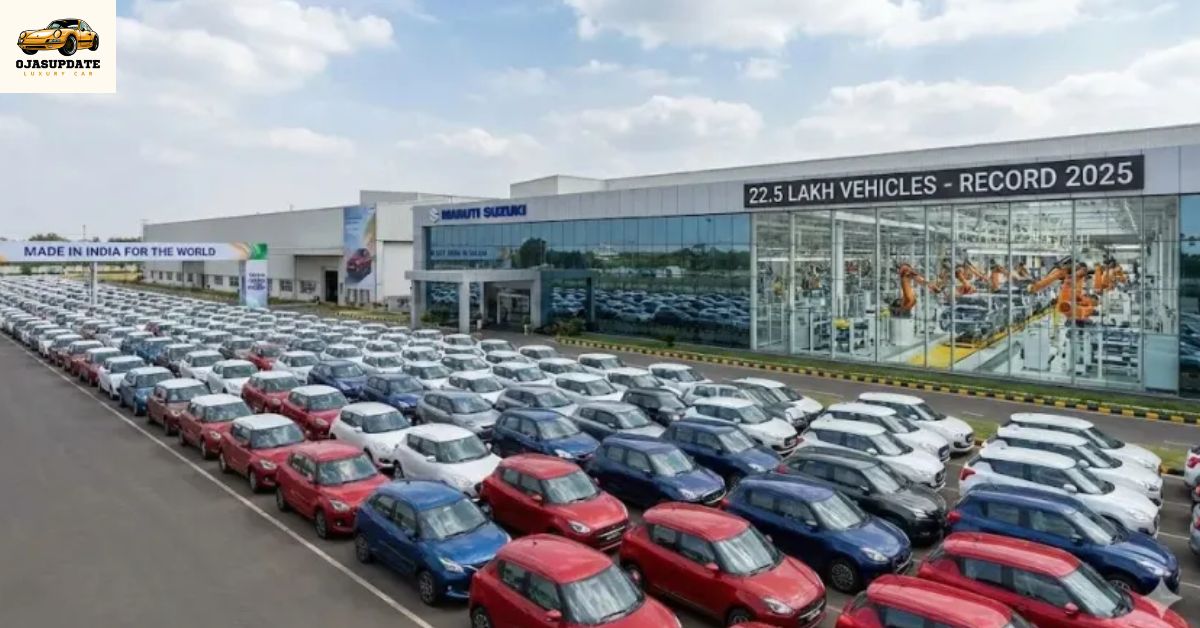
- Maruti Suzuki: Exported 3.95 lakh vehicles, accounting for nearly 46% of India’s total exports.
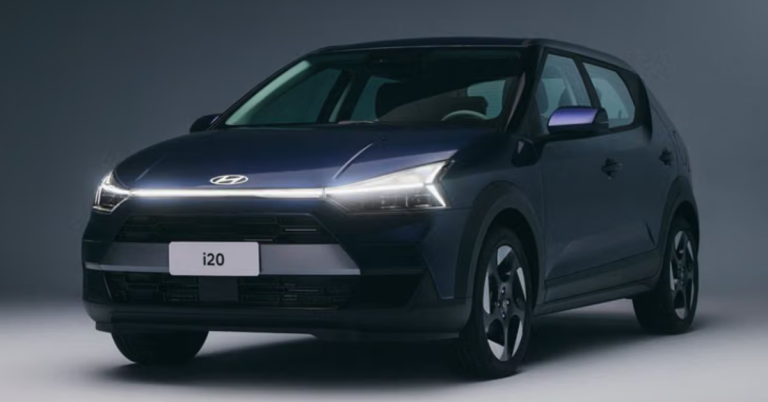
- Hyundai Motor India: Continued strong shipments of compact SUVs and hatchbacks.
- Tata Motors & Mahindra: Expanded exports of SUVs and EVs, tapping into demand for sustainable mobility.
- Nissan India: Exported 1.2 million vehicles to 65 countries, with its Chennai plant serving as a global hub.
- Honda Cars India: Focused on sedan exports to Southeast Asia and Africa.
Maruti Suzuki’s dominance reflects its ability to produce affordable, reliable cars that resonate with global buyers, while Nissan’s surge highlights India’s role in supporting multinational brands.
⚡ Why India’s Cars Are Winning Globally
Several factors explain the surge in exports:
- Cost-Effective Manufacturing: Competitive labor costs and efficient supply chains.
- Cleaner Supply Chains: Compliance with stricter global emission standards.
- Advanced Technology: Integration of EVs and hybrid models into export portfolios.
- Trust in Indian Vehicles: Growing confidence in quality and reliability among international buyers.
India’s ability to adapt quickly to global standards has made its cars attractive in markets where affordability and compliance are equally important.
📈 Challenges Ahead
While 2025 was a record year, challenges remain:
- Tariffs: Mexico doubled tariffs on Indian goods, potentially impacting exports.
- Global Slowdown: Stagnant international automobile markets could dampen demand.
- Competition: Other low-cost manufacturing hubs like Thailand and Vietnam are vying for similar markets.
India’s future growth will depend on trade diplomacy and continued innovation in EVs and sustainable technologies.
🌱 The EV Factor
Electric vehicles are becoming a cornerstone of India’s export strategy:
- Maruti Suzuki: Began exporting its e-Vitara electric SUV, marking a new era.
- Tata Motors: Expanded EV exports to Europe and Africa.
- Mahindra: Positioned its EV lineup for global urban mobility solutions.
With global demand for EVs rising, India’s early adoption of electric exports strengthens its competitive edge.
🏭 India as a Global Hub
India’s automotive industry is no longer just serving domestic needs—it’s shaping global mobility. The combination of scale, affordability, and innovation has made India indispensable to automakers worldwide. From compact hatchbacks to SUVs and EVs, Indian-made cars are now a familiar sight across continents.
✨ Final Thoughts
The record-breaking exports of 2025 highlight India’s transformation from a domestic-focused market to a global automotive powerhouse. With companies like Maruti Suzuki, Nissan, Tata, and Hyundai leading the charge, India is proving that it can deliver vehicles that meet international standards while remaining cost-effective.
As the world shifts toward sustainable mobility, India’s role will only grow stronger. The success of 2025 is not just a number—it’s a symbol of India’s rising influence in global automotive trade. The road ahead may be challenging, but India’s cars are already driving change across the world.
About the Author