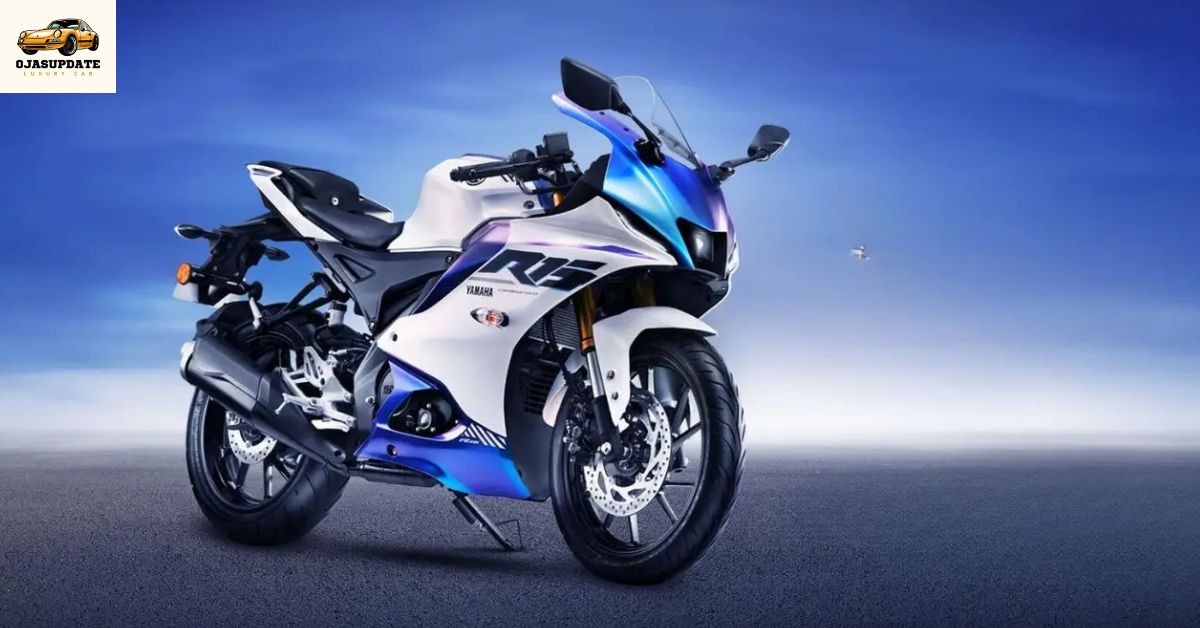
The Yamaha R15 has long been the poster child of affordable performance biking in India. Since its debut, the R15 has carved a niche as a track-inspired machine for everyday riders, offering sharp styling, agile handling, and a taste of supersport thrills without breaking the bank. In 2026, Yamaha has sweetened the deal further by announcing a ₹5,000 price cut across the R15 lineup, making the bike more accessible to enthusiasts and commuters alike.
💸 The Price Cut: What It Means
The ₹5,000 reduction may seem modest at first glance, but in India’s highly price-sensitive motorcycle market, even small adjustments can have a big impact on buyer sentiment.
- New Price Range: The R15 now starts around ₹1.75 lakh (ex-showroom), depending on variant and location.
- Variants Covered: The price cut applies to the R15 V4 and R15M, Yamaha’s latest iterations of the model.
- Market Impact: This positions the R15 more competitively against rivals like the KTM RC 200, Suzuki Gixxer SF 250, and Bajaj Pulsar RS200.
For college students, young professionals, and first-time sportbike buyers, this reduction could be the deciding factor in choosing Yamaha over competitors.
🏍️ The R15 Legacy
The R15 has always been about bringing supersport DNA to the masses. Inspired by Yamaha’s legendary R-series bikes, the R15 offers:
- Aerodynamic styling with sharp fairings and LED lighting.
- Liquid-cooled 155cc engine producing ~18.4 hp and 14.2 Nm torque.
- VVA (Variable Valve Actuation) for smooth power delivery across the rev range.
- DeltaBox frame for superior rigidity and handling.
- Track-inspired ergonomics with clip-on handlebars and rear-set footpegs.
This combination makes the R15 equally at home on city streets, highways, and even racetracks.
✨ 2026 Updates and Features
The 2026 Yamaha R15 continues to build on the strengths of the V4 generation, offering:
- LED projector headlamp with DRLs for better visibility.
- Digital instrument cluster with Bluetooth connectivity.
- Dual-channel ABS for enhanced safety.
- Upside-down front forks for improved stability.
- R15M variant with premium touches like golden forks, special graphics, and quick-shifter.
These features ensure that the R15 remains one of the most feature-rich bikes in its segment, even as rivals push aggressive updates.
📊 Comparison Snapshot
| Feature | Yamaha R15 V4 (2026) | KTM RC 200 | Bajaj Pulsar RS200 |
|---|---|---|---|
| Engine | 155cc, liquid-cooled | 199cc, liquid-cooled | 199cc, liquid-cooled |
| Power Output | ~18.4 hp | 25 hp | 24.5 hp |
| Price (ex-showroom) | ~₹1.75 lakh | ~₹2.15 lakh | ~₹1.72 lakh |
| ABS | Dual-channel | Dual-channel | Dual-channel |
| USP | Supersport DNA, VVA | Raw performance | Value-for-money sportbike |
🌍 Market Positioning
The R15 has always been Yamaha’s volume driver in the premium commuter-sport segment. With the ₹5,000 price cut, Yamaha is clearly aiming to:
- Boost sales volumes in Tier-2 and Tier-3 cities.
- Attract younger buyers who are highly price-conscious.
- Strengthen brand loyalty among enthusiasts who see Yamaha as a premium yet accessible brand.
This move also comes at a time when competition is heating up, with KTM, Bajaj, and Suzuki aggressively targeting the same demographic.
⚠️ Challenges and Trade-Offs
While the price cut is welcome, Yamaha faces challenges:
- Performance Gap: Rivals like KTM RC 200 offer significantly more power.
- Comfort Concerns: The aggressive riding posture may not suit all riders for long commutes.
- Price Sensitivity: Even after the cut, the R15 remains pricier than some alternatives like the Pulsar RS200.
🏁 Final Thoughts
The 2026 Yamaha R15 price cut is more than just a marketing move—it’s a reaffirmation of Yamaha’s commitment to keeping performance biking accessible in India. By shaving ₹5,000 off the sticker price, Yamaha has made the R15 an even more compelling choice for riders who want style, technology, and supersport DNA without overspending.
For enthusiasts, the R15 continues to be a gateway into the world of performance motorcycles. For Yamaha, it’s a strategic step to retain dominance in the entry-level sportbike segment. And for India’s biking community, it’s simply good news—because breathing life into dreams of owning a supersport machine just got a little easier.
About the Author