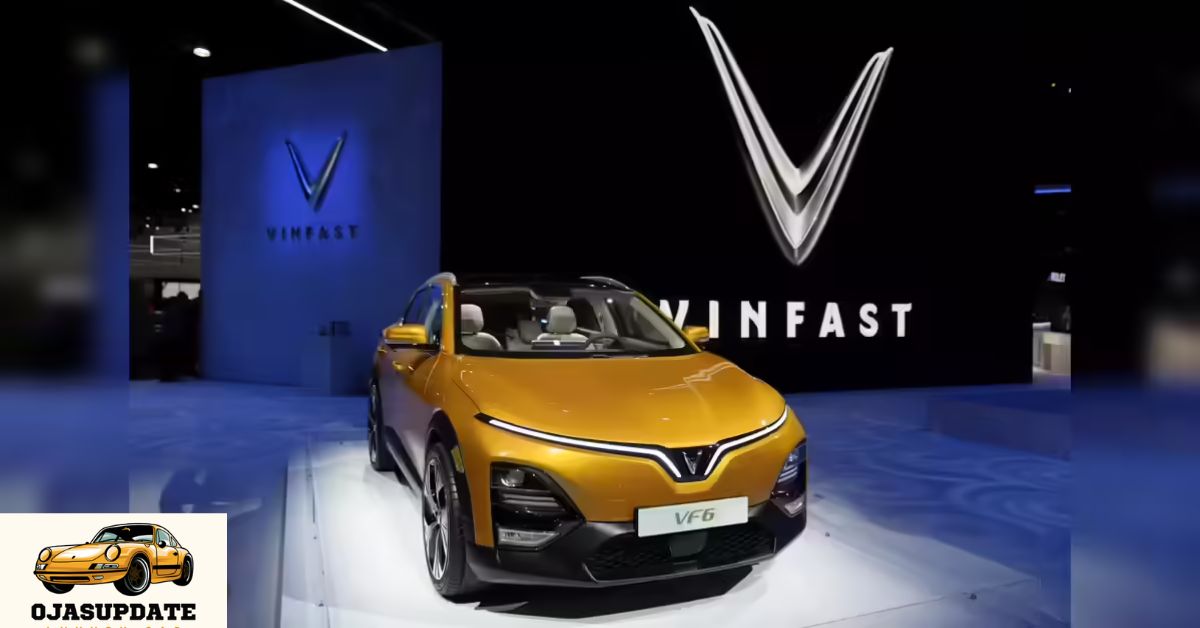
Vietnamese automaker VinFast is exploring the use of petrol-assisted range extenders in its electric vehicles (EVs). This move could help the company tackle range anxiety, boost sales, and compete more effectively in global markets.
Why VinFast Is Rethinking Its EV Strategy
VinFast has built its brand identity around fully electric vehicles, positioning itself as a challenger to Tesla and other global EV makers. However, despite ambitious expansion plans, the company has faced sluggish sales and mounting losses, putting pressure on its parent company.
To address these challenges, VinFast is considering Range-Extended Electric Vehicles (REEVs). Unlike traditional hybrids, REEVs use a small petrol-powered engine solely as a generator to recharge the battery. The engine does not drive the wheels directly, meaning the car remains fundamentally electric while gaining extended range.
How Petrol-Assisted Range Extenders Work
The concept of REEVs is simple yet effective:
- Petrol engine as generator: The small internal combustion engine (ICE) powers an onboard generator.
- Battery recharge: The generator replenishes the EV’s battery when charge runs low.
- No direct drive: Unlike hybrids, the petrol engine does not connect to the drivetrain.
- Extended range: Drivers can travel longer distances without relying solely on charging infrastructure.
This approach allows VinFast to maintain the benefits of electric mobility—quiet operation, zero tailpipe emissions during battery use—while reducing range anxiety, a major barrier for EV adoption.
Market Implications
VinFast’s consideration of petrol-assisted range extenders reflects broader industry trends. Many automakers are experimenting with hybrid or REEV solutions to bridge the gap between pure EVs and consumer expectations.
For VinFast, this could mean:
- Appealing to hesitant buyers: Customers worried about charging infrastructure may find REEVs more practical.
- Boosting competitiveness: Petrol-assisted EVs could help VinFast stand out in crowded markets like India, Europe, and the U.S.
- Reducing losses: Improved sales could ease financial pressure on Vingroup.
- Strategic flexibility: VinFast can adapt its lineup to different regions with varying EV readiness.
Challenges Ahead
While promising, the REEV strategy comes with hurdles:
- Development costs: VinFast must decide whether to build REEV technology internally or license it.
- Regulatory scrutiny: Some markets may view petrol-assisted systems as compromising EV purity.
- Brand identity: VinFast has marketed itself as a pure EV company; shifting to REEVs could dilute that message.
- Consumer perception: Buyers may question whether REEVs are truly “green” compared to full EVs.
A Balancing Act Between Innovation and Reality
VinFast’s exploration of petrol-assisted range extenders highlights the balancing act faced by new EV makers. On one hand, pure EVs represent the future of mobility. On the other, infrastructure gaps and consumer hesitancy demand transitional solutions.
By considering REEVs, VinFast acknowledges that practicality often trumps ideology in the automotive market. If executed well, this strategy could help the company carve out a niche among buyers who want electric mobility without the limitations of charging networks.
Final Thoughts
The decision to weigh petrol-assisted range extenders could mark a turning point for VinFast. It signals a willingness to adapt, innovate, and respond to market realities. While purists may see this as a retreat from full electrification, pragmatists will recognize it as a smart move to boost adoption and sales.
Ultimately, VinFast’s success will depend on how well it integrates REEV technology without losing sight of its long-term vision: becoming a global leader in sustainable mobility.
About the Author